x
 Oil On CanvasWallArtBaroque Drama
 1607Early Modern
 286.0 x 213.0 cm
 Museo Nazionale di Capodimonte
Handmålad olja på duk i din valda storlek och ram, tillverkad efter beställning av våra konstnärer. ( Beställ tryck Köp högupplöst bild)





























Välj bland våra förinställda storlekar som motsvarar konstverkets ursprungliga proportioner.

Du kan ange egna mått för att passa en specifik ram eller yta. Om den valda storleken inte matchar originalbildens proportioner kommer vi antingen att beskära konstverket eller utöka målningen med ytterligare handmålade element. En digital skiss skickas till dig för godkännande innan produktionen påbörjas.
Observera att förhandsvisningen på skärmen inte återspeglar den faktiska beskärningen eller utökningen. Endast skissen visar den slutgiltiga kompositionen korrekt.
Även om anpassade storlekar är möjliga, rekommenderar vi att du väljer en dimension från den fördefinierade listan för att bevara originalproportionerna.
Leverans över hela världen () på 3–4 veckor istället för standard 5 veckor. (13 augusti). Inga kompromisser med kvaliteten.


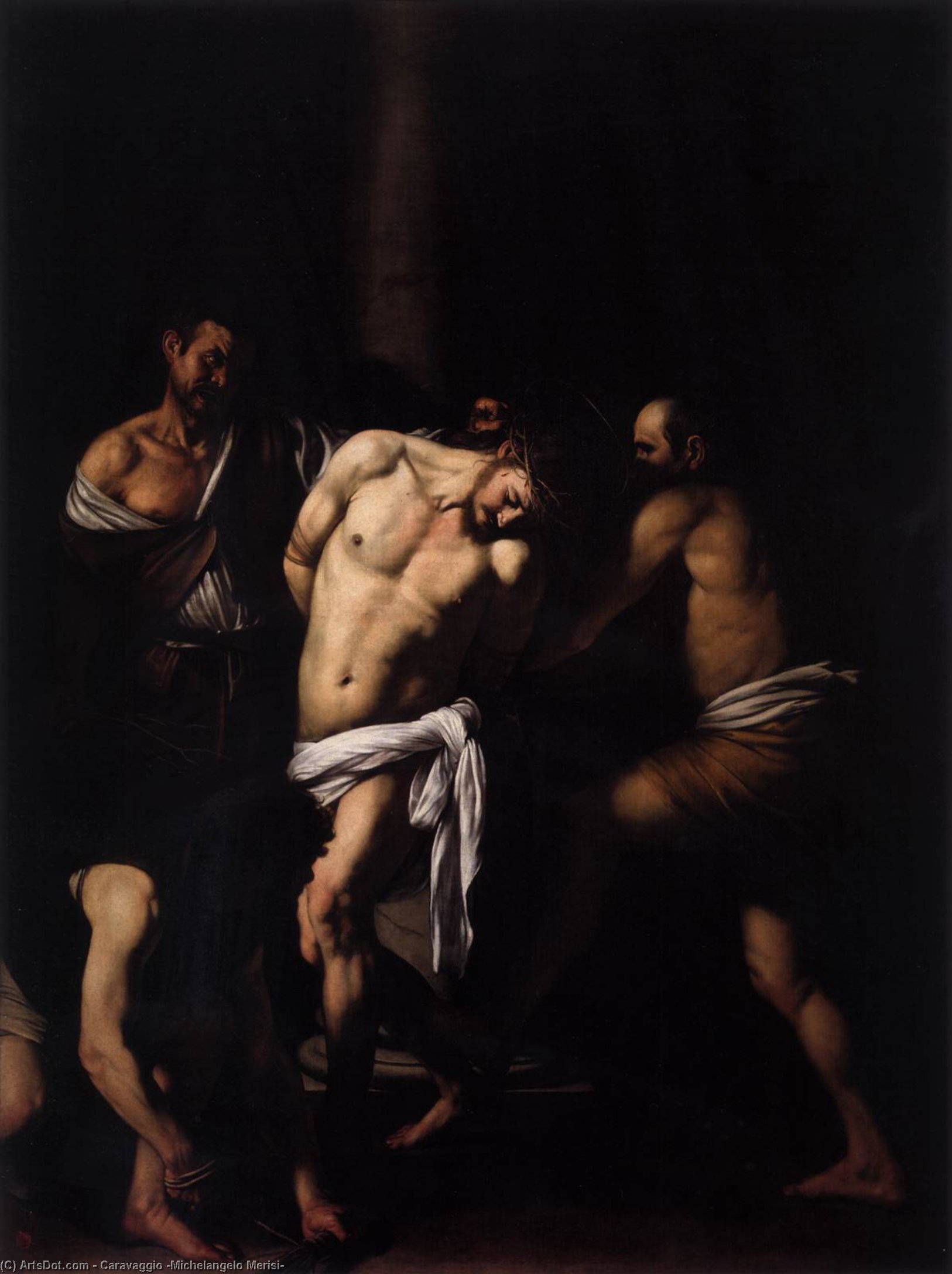
Flagellation
Storlek på reproduktion
In the quiet, hallowed halls of the Museo Nazionale di Capodimonte, there exists a moment frozen in time, captured with such visceral intensity that it seems to pulse with life even centuries after its creation. Michelangelo Merisi da Caravaggio’s Flagellation is not merely a depiction of a biblical event; it is an immersive descent into the raw, unvarnified reality of human agony. Created in 1607, this masterpiece serves as a profound testament to the Baroque era's ability to bridge the gap between the divine and the earthly through the sheer power of dramatic realism.
The scene unfolds within a claustrophobic, dimly lit space that feels almost suffocating, heightening the tension felt by every observer. At the heart of this turmoil stands Christ, his body contorted in a silent scream of endurance, bound to a cold stone pillar. Caravaggio employs his signature chiaroscuro technique—a masterful interplay of extreme light and deep, impenetrable shadow—to sculpt the figures out of the darkness. This single, unseen light source does more than just illuminate; it carves the musculature of Christ’s suffering form and casts the faces of his tormentors into a mysterious, unsettling obscurity. The stark contrast creates a sense of immediacy, pulling the viewer into the very center of the violence.
To gaze upon this canvas is to experience a masterclass in texture and tonal subtlety. Caravaggio eschews a vibrant color palette in favor of a somber, almost monochromatic arrangement of earthy browns, muted greys, and bone-whites. This restraint directs the eye away from superficial beauty and toward the profound weight of the subject matter. One can almost feel the rough, abrasive surface of the stone pillar and the heavy, coarse weight of the fabrics draped around the figures. The artist’s technique, involving the meticulous layering of oil paints, allows for a skin texture that appears both taut and vulnerable, making the physical impact of the flagellation feel palpably real.
The composition is a dynamic web of lines and shapes that guide the emotional journey of the viewer. Diagonal lines formed by straining arms and ropes create an unsettling rhythm, while the organic, twisted forms of the human bodies contrast sharply with the rigid verticality of the pillar. This structural tension mirrors the spiritual struggle depicted within the frame—the clash between the physical brutality of man and the enduring purity of the divine spirit.
Beyond its historical significance, The Flagellation remains a profound psychological study. It explores themes of sacrifice, the struggle between good and evil, and the resilience of the human soul amidst cruelty. For the art lover, it offers a window into the revolutionary spirit of Caravaggio; for the interior designer, it provides a centerpiece of unparalleled dramatic gravity; and for the collector, it represents an opportunity to possess a fragment of art history’s most transformative era.
Whether displayed in a contemporary gallery or a classic study, a high-quality reproduction of this work brings with it an atmosphere of solemnity and intellectual depth. It is a piece that does not merely decorate a room but commands it, inviting endless contemplation of the light that persists even in the deepest shadows.

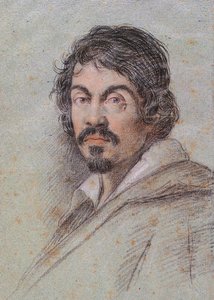
1571 - 1610 , Spanien

Explore the profound elegance of Baroque Classicism. Discover how 17th-century masters synthesized dramatic emotion with classical order through the lens of the Counter-Reformation and the works of legends like Carlo Maratta and Andrea Sacchi.

Explore the dramatic evolution from Mannerist distortion to Baroque grandeur. Discover how light, shadow, and emotion redefined art history through a masterclass in technical mastery and religious fervor.

Explore the profound drama of 17th-century Baroque art. Discover how masters used chiaroscuro, movement, and emotional intensity to redefine history through the lens of the Counter-Reformation. An expert guide for art historians and collectors seeking deep cultural insight.

Explore the profound differences between Baroque drama and Rococo elegance. Our expert guide delves into art history, chiaroscuro, and the evolution of European masterpieces for collectors and enthusiasts seeking deep historical context.


Håll dig uppdaterad med de senaste konstnyheterna, exklusiva erbjudanden och inredningsidéer.
Berätta om ditt projekt så kommer våra konstexperter att ge dig 3 personliga konstförslag.
Vi skapar ett urval av 3 alternativ helt anpassat för dig – gratis!


 Förhandsvisa
 Skicka
 Dela
Dela
 Visa detaljer

 Ladda ner
 Liknande objekt
 Röntgen
 Bildspel
 Visa mer







 Glasalternativet är endast tillgängligt i storlekar under 110 cm.