


x

Köp en högupplöst, förbättrad digital bild med betydligt högre kvalitet än förhandsvisningen online.
Varje fil är noggrant förberedd av våra interna specialister med hjälp av avancerade verktyg och professionell manuell retuschering. Vi säkerställer att varje bild har exceptionell skärpa, exakt färgåtergivning och fina detaljer.
Den slutgiltiga filen levereras via e-post inom 72 timmar, optimerad för omedelbar användning i professionella sammanhang, redaktionellt bruk och tryckmiljöer. Detta är samma kvalitet som med förtroende används av ledande designstudior, förlag och gallerier.
Ladda ner en högupplöst fil för personlig visning, utskrift och kreativa projekt. ( Beställ tryck Beställ handmålad reproduktion)
När du väljer Most-Famous-Paintings.com får du inte bara en bild – du får ett professionellt förädlat digitalt konstverk, skapat med precision och med en garanterad tillfredsställelse. Här är allt som ingår i din beställning, automatiskt:

Din högupplösta digitala bild skickas till dig via e-post inom 72 timmar efter beställning – redo för omedelbar användning.

Ditt konstverk optimeras professionellt med hjälp av avancerade AI-verktyg och manuell redigering, vilket garanterar maximal detaljrikedom, skärpa och färgnoggrannhet.

Har du råkat radera eller tappa bort din fil? Ingen oro – vi skickar den kostnadsfritt till dig när som helst.

Njut av ditt konstverk omedelbart utan tull, importavgifter eller leveranskostnader – digitala nedladdningar är alltid skattefria.

Vi säkerställer att din digitala bild återger de ursprungliga färgerna så exakt som möjligt med hjälp av professionella verktyg och färghantering.

Om du inte är nöjd med din digitala bild kommer vi att revidera den eller återbetala 100% inom 60 dagar – utan frågor.

Inte nöjd? Få full återbetalning inom 60 dagar efter att du har tagit emot din digitala fil – utan frågor och diskussioner.

Köp 3 bilder, spara 10% – Köp 5, spara 15% – Köp 10+, spara 20%. Perfekt för kreativa projekt, gallerier och byråer.
Michelangelo Merisi da Caravaggio, a name synonymous with dramatic intensity and revolutionary technique, gifted us with a series of paintings that continue to captivate centuries later. Among his most enigmatic and compelling works is “The Fortune Teller,” painted around 1599 – a piece that transcends mere portraiture, delving into themes of deception, desire, and the precarious nature of human perception. This isn’t simply a depiction of a Romani woman reading palms; it's a carefully constructed tableau brimming with psychological depth and masterful manipulation of light and shadow, hallmarks of Caravaggio’s distinctive style.

The painting immediately draws the viewer into a dimly lit, intimate space. A young man, dressed in opulent attire – a testament to his status – sits attentively before a Romani woman. Her face is partially obscured by shadow, yet her gaze is direct and alluring. The composition is remarkably balanced, with the figures occupying nearly equal visual weight. Crucially, Caravaggio doesn’t offer a straightforward narrative; instead, he presents a moment suspended in time, ripe with unspoken tension. The young man's expression suggests both fascination and perhaps a hint of apprehension. He’s clearly captivated by her presence, while the Romani woman maintains an air of studied nonchalance – a subtle suggestion that she is not merely dispensing prophecies but engaging in a carefully orchestrated game.
A key element often overlooked is the detail within the scene: the young man's hand, partially visible, reveals a ring being deftly removed by the fortune teller. This seemingly minor gesture carries immense symbolic weight – representing a loss of material wealth and perhaps even innocence. It’s a visual metaphor for deception and the vulnerability inherent in succumbing to allure.
What truly elevates “The Fortune Teller” is Caravaggio's unparalleled mastery of *chiaroscuro*, the dramatic contrast between light and dark. He employs a technique known as *tenebrism*, where deep shadows dominate the scene, intensifying the highlights and creating an almost theatrical effect. This isn’t merely about illumination; it’s about sculpting form and conveying emotion. The strong directional light focuses attention on the figures, isolating them from the background and amplifying their psychological drama. The use of a single, unseen light source – likely a window to the left – casts dramatic shafts that pierce through the darkness, highlighting faces and gestures with an almost divine intensity.
Furthermore, Caravaggio’s approach to realism was groundbreaking for his time. He eschewed idealized representations in favor of portraying figures as they truly appeared—with imperfections, wrinkles, and a palpable sense of humanity. This commitment to naturalism is evident in the details of the Romani woman's clothing, her weathered face, and the young man’s youthful features.
“The Fortune Teller” emerged during a period of significant social and artistic change in Rome. Caravaggio was operating within the context of the Counter-Reformation, a time when the Catholic Church sought to reaffirm its authority through art that emphasized religious themes and moral instruction. However, Caravaggio’s work transcends simple didacticism; it explores complex human emotions and psychological states with remarkable subtlety. The Romani people, often viewed with suspicion and prejudice during this era, were frequently associated with fortune-telling and superstition. Caravaggio's depiction challenges these stereotypes, presenting them as enigmatic figures shrouded in mystery.
The painting’s enduring appeal lies not only in its technical brilliance but also in its ability to provoke contemplation about the nature of truth, deception, and the seductive power of appearances. It remains a potent reminder of Caravaggio's genius – a master of light, shadow, and the human heart.

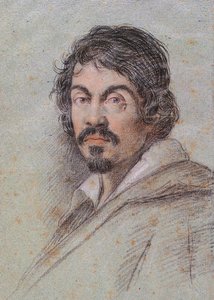
1571 - 1610 , Spanien


Håll dig uppdaterad med de senaste konstnyheterna, exklusiva erbjudanden och inredningsidéer.
Berätta om ditt projekt så kommer våra konstexperter att ge dig 3 personliga konstförslag.
Vi skapar ett urval av 3 alternativ helt anpassat för dig – gratis!


 Förhandsvisa
 Skicka
 Dela
Dela
 Visa detaljer

 Ladda ner
 Liknande objekt
 Röntgen
 Bildspel
 Visa mer


