


x

Köp en högupplöst, förbättrad digital bild med betydligt högre kvalitet än förhandsvisningen online.
Varje fil är noggrant förberedd av våra interna specialister med hjälp av avancerade verktyg och professionell manuell retuschering. Vi säkerställer att varje bild har exceptionell skärpa, exakt färgåtergivning och fina detaljer.
Den slutgiltiga filen levereras via e-post inom 72 timmar, optimerad för omedelbar användning i professionella sammanhang, redaktionellt bruk och tryckmiljöer. Detta är samma kvalitet som med förtroende används av ledande designstudior, förlag och gallerier.
Ladda ner en högupplöst fil för personlig visning, utskrift och kreativa projekt. ( Beställ tryck Beställ handmålad reproduktion)
När du väljer Most-Famous-Paintings.com får du inte bara en bild – du får ett professionellt förädlat digitalt konstverk, skapat med precision och med en garanterad tillfredsställelse. Här är allt som ingår i din beställning, automatiskt:

Din högupplösta digitala bild skickas till dig via e-post inom 72 timmar efter beställning – redo för omedelbar användning.

Ditt konstverk optimeras professionellt med hjälp av avancerade AI-verktyg och manuell redigering, vilket garanterar maximal detaljrikedom, skärpa och färgnoggrannhet.

Har du råkat radera eller tappa bort din fil? Ingen oro – vi skickar den kostnadsfritt till dig när som helst.

Njut av ditt konstverk omedelbart utan tull, importavgifter eller leveranskostnader – digitala nedladdningar är alltid skattefria.

Vi säkerställer att din digitala bild återger de ursprungliga färgerna så exakt som möjligt med hjälp av professionella verktyg och färghantering.

Om du inte är nöjd med din digitala bild kommer vi att revidera den eller återbetala 100% inom 60 dagar – utan frågor.

Inte nöjd? Få full återbetalning inom 60 dagar efter att du har tagit emot din digitala fil – utan frågor och diskussioner.

Köp 3 bilder, spara 10% – Köp 5, spara 15% – Köp 10+, spara 20%. Perfekt för kreativa projekt, gallerier och byråer.
Édouard Manet’s L’Espada, a monochromatic etching completed around 1862, isn't merely a portrait; it’s a carefully constructed tableau vivant—a snapshot of Victorian masculinity imbued with an undercurrent of melancholy and subtle defiance. The subject, identified as Victorine Meurent, a model known for her striking beauty and independent spirit, is depicted in a pose that simultaneously evokes the grandeur of a Spanish bullfighter and the vulnerability of a solitary figure. Manet masterfully captures a moment suspended between action and contemplation, inviting the viewer to decipher the narrative hidden within this seemingly simple scene.
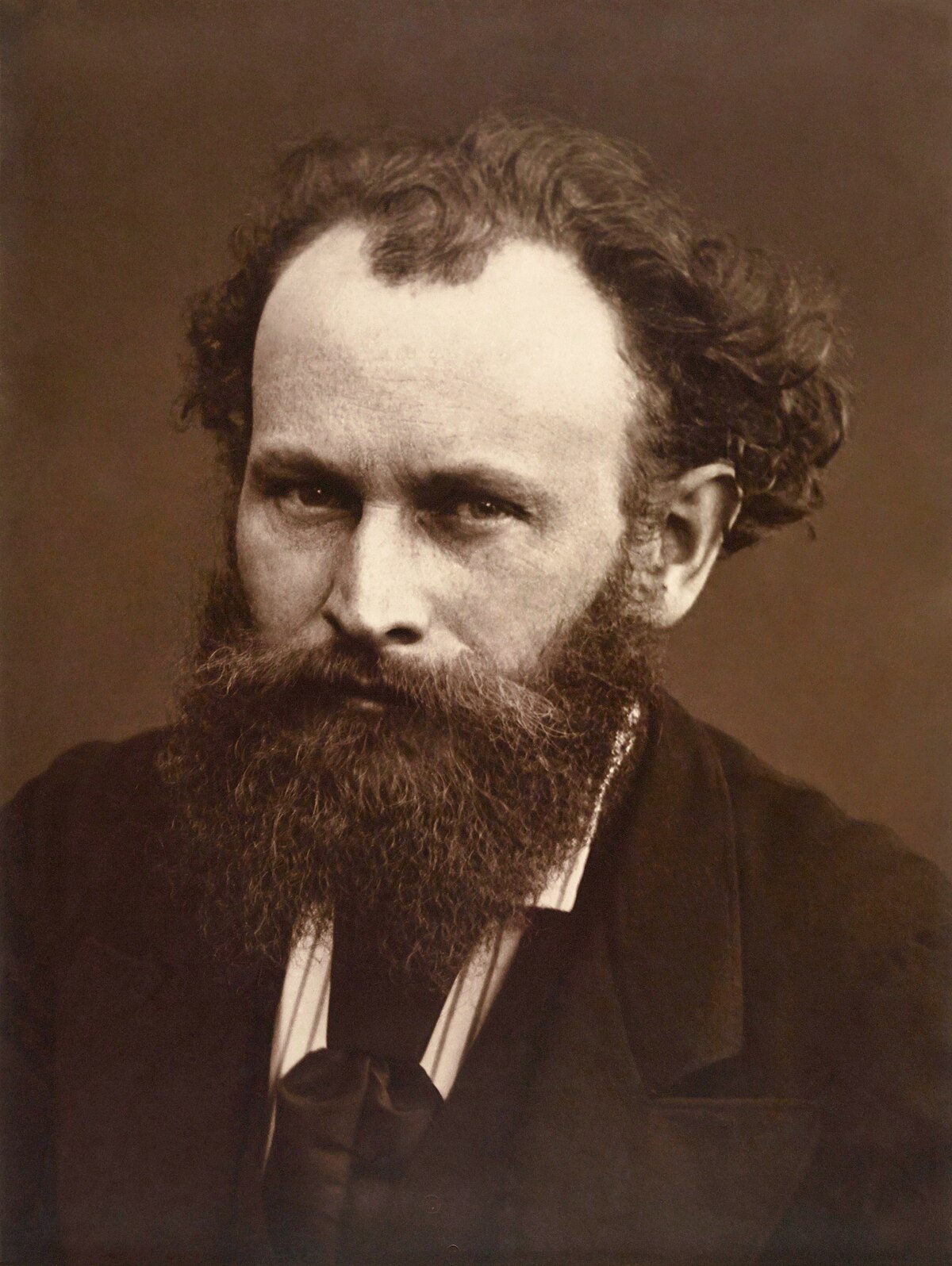
The etching’s power lies in its deliberate blending of influences. Manet, a restless innovator, drew inspiration from a diverse range of sources—from the dramatic compositions of Francisco Goya's *Tauromaquia* series to the theatrical poses of Renaissance prints depicting figures like Temperance and Justice. He skillfully adapted elements from these disparate traditions, creating a work that feels both historically rooted and strikingly modern. The backdrop, a meticulously rendered scene of a bullring, echoes Goya’s powerful imagery while Victorine's stance subtly references the allegorical figure of Temperance, suggesting restraint and control. The inclusion of other figures in the background—a group of spectators observing the action—adds to the sense of drama and immediacy.
Manet’s masterful use of etching technique is central to the work's impact. The stark contrasts between light and shadow, achieved through varying pressures on the metal plate, create a dramatic sense of depth and volume. The sharply defined lines delineate the subject’s form, while subtle tonal variations suggest texture—the folds of his cloak, the sheen of his sword, and the rough surface of the bullring wall. The monochromatic palette amplifies the emotional intensity of the scene, lending it a somber and introspective quality. Victorine's direct gaze at the viewer is particularly arresting, inviting us to share in her quiet contemplation.
Beyond its formal elements, L’Espada offers a poignant commentary on Victorian masculinity. The figure of the “espada,” or bullfighter, traditionally represented strength, courage, and virility, is here presented with an unexpected vulnerability. Victorine's unconventional attire—a pink cape that deviates from the traditional red—and her detached expression suggest a rejection of conventional expectations. The etching subtly critiques the rigid social codes of the era, hinting at the suppressed emotions and desires beneath the surface of Victorian propriety. It’s a portrait not just of a man, but of a complex and layered individual grappling with his own identity within a restrictive society.


1832 - 1883 , Frankrike


Håll dig uppdaterad med de senaste konstnyheterna, exklusiva erbjudanden och inredningsidéer.
Berätta om ditt projekt så kommer våra konstexperter att ge dig 3 personliga konstförslag.
Vi skapar ett urval av 3 alternativ helt anpassat för dig – gratis!


 Förhandsvisa
 Skicka
 Dela
Dela
 Visa detaljer

 Ladda ner
 Liknande objekt
 Röntgen
 Bildspel

 Visa mer


