


x

 Oil On CanvasWallArtSpanish Mannerism
 1598Renaissance
 114.0 x 67.0 cm
Handmålad olja på duk i din valda storlek och ram, tillverkad efter beställning av våra konstnärer. ( Beställ tryck Köp högupplöst bild)





























Välj bland våra förinställda storlekar som motsvarar konstverkets ursprungliga proportioner.

Du kan ange egna mått för att passa en specifik ram eller yta. Om den valda storleken inte matchar originalbildens proportioner kommer vi antingen att beskära konstverket eller utöka målningen med ytterligare handmålade element. En digital skiss skickas till dig för godkännande innan produktionen påbörjas.
Observera att förhandsvisningen på skärmen inte återspeglar den faktiska beskärningen eller utökningen. Endast skissen visar den slutgiltiga kompositionen korrekt.
Även om anpassade storlekar är möjliga, rekommenderar vi att du väljer en dimension från den fördefinierade listan för att bevara originalproportionerna.
Leverans över hela världen () på 3–4 veckor istället för standard 5 veckor. (21 augusti). Inga kompromisser med kvaliteten.


Annunciation
Storlek på reproduktion
In the quiet stillness of 1598, within the spiritual heart of Toledo, Doménikos Theotokópoulos—the master known to history as El Greco—captured a moment that transcends the boundaries of time and mortal perception. His Annunciation is not merely a depiction of a biblical event; it is a profound window into the divine, a masterpiece where the earthly realm dissolves into a vision of celestial grace. As the viewer approaches this monumental canvas, they are immediately enveloped by an atmosphere of sacred tension and luminous beauty. The scene captures the pivotal instant when the Archangel Gabriel descends to deliver the transformative news to the Virgin Mary, a moment that serves as the bridge between heaven and earth.
The composition is a masterclass in spiritual hierarchy and visual storytelling. El Greco directs our gaze with intentionality, centering the Virgin Mary in a posture of humble reverence. She kneels before the messenger of God, her form imbued with a weightless, ethereal quality that seems to defy gravity itself. The angel, with wings spread wide in a gesture of divine protection, stands as a beacon of light, his presence commanding the space. Surrounding this central encounter, various saints and archangels emerge from the shadows, creating a celestial court that reinforces the magnitude of the revelation. This layered arrangement of figures creates a sense of depth that is both physical and metaphysical, inviting the observer to contemplate the layers of sanctity present in the scene.
To behold this work is to witness the pinnacle of tenebrism. El Greco utilizes stark, dramatic contrasts between deep, velvety shadows and piercing, supernatural light to heighten the emotional fervor of the piece. This masterful manipulation of chiarosculto does more than create volume; it creates drama. The light does not merely illuminate the figures; it seems to emanate from within them, particularly in the luminous halo that surrounds the Virgin, suggesting a soul ignited by divine purpose. This technique, which would later inspire the emotional intensity of Expressionism, allows the painting to pulse with a life force that is almost palpable.
Every element within the frame is heavy with symbolic significance, designed to guide the faithful toward deeper contemplation. The books positioned near the figures are not mere accessories; they represent the Sacred Scripture—the Word made flesh—serving as the intellectual and spiritual foundation of the event. The elongated, flickering forms characteristic of El Greco’s mature style serve to strip away the distractions of the material world, focusing the viewer's attention on the spiritual essence of the subjects. For the collector or the lover of fine art, these details offer a rich tapestry of meaning, making each viewing an opportunity for new discoveries.
For those seeking to bring a sense of profound history and spiritual elegance into a curated space, El Greco’s Annunciation offers unparalleled inspiration. Whether gracing the walls of a private gallery, a sophisticated study, or a grand living area, this work commands attention through its sheer emotional gravity. The painting's ability to harmonize the solemnity of Byzantine tradition with the dynamic energy of the Spanish Renaissance makes it a timeless addition to any high-end interior design scheme.
Owning a high-quality reproduction of such a masterpiece allows for the preservation of this historical splendor within a modern context. It provides an anchor of culture and a focal point of beauty that invites conversation and reflection. As an art piece, it does not merely decorate a room; it transforms the very atmosphere of a home, infusing it with the same sense of awe and transcendence that El Greco captured in his studio in Toledo centuries ago.

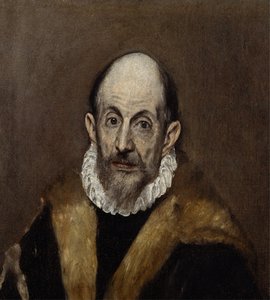
1541 - 1614 , Griechenland
Explore the dramatic transition from High Renaissance harmony to Mannerist tension. Discover how masters like El Greco redefined art through distortion and spiritual intensity. An expert guide for art enthusiasts seeking deep historical context and museum-quality inspiration.

Explore the dramatic world of Italian Baroque art. Discover how masters like Caravaggio used chiaroscuro and tenebrism to revolutionize painting through light, shadow, and profound realism. A definitive guide for history lovers and art collectors.

Explore the profound elegance of Baroque Classicism. Discover how 17th-century masters synthesized dramatic emotion with classical order through the lens of the Counter-Reformation and the works of legends like Carlo Maratta and Andrea Sacchi.

Explore the dramatic power of Baroque art through an expert guide to light, shadow, and emotion. Discover how the Counter-Reformation shaped 17th-century masterpieces and learn about the profound techniques used by the Old Masters to inspire awe.

Explore the dramatic world of Tenebrism. Discover how Baroque masters like Caravaggio used intense light and shadow to redefine realism. A definitive guide for art enthusiasts seeking to understand the power of chiaroscuro in classical masterpieces.


Håll dig uppdaterad med de senaste konstnyheterna, exklusiva erbjudanden och inredningsidéer.
Berätta om ditt projekt så kommer våra konstexperter att ge dig 3 personliga konstförslag.
Vi skapar ett urval av 3 alternativ helt anpassat för dig – gratis!


 Förhandsvisa
 Skicka
 Dela
Dela
 Visa detaljer

 Ladda ner
 Liknande objekt
 Röntgen
 Bildspel
 Visa mer







 Glasalternativet är endast tillgängligt i storlekar under 110 cm.


