


x

Köp en högupplöst, förbättrad digital bild med betydligt högre kvalitet än förhandsvisningen online.
Varje fil är noggrant förberedd av våra interna specialister med hjälp av avancerade verktyg och professionell manuell retuschering. Vi säkerställer att varje bild har exceptionell skärpa, exakt färgåtergivning och fina detaljer.
Den slutgiltiga filen levereras via e-post inom 72 timmar, optimerad för omedelbar användning i professionella sammanhang, redaktionellt bruk och tryckmiljöer. Detta är samma kvalitet som med förtroende används av ledande designstudior, förlag och gallerier.
Ladda ner en högupplöst fil för personlig visning, utskrift och kreativa projekt. ( Beställ tryck Beställ handmålad reproduktion)
När du väljer Most-Famous-Paintings.com får du inte bara en bild – du får ett professionellt förädlat digitalt konstverk, skapat med precision och med en garanterad tillfredsställelse. Här är allt som ingår i din beställning, automatiskt:

Din högupplösta digitala bild skickas till dig via e-post inom 72 timmar efter beställning – redo för omedelbar användning.

Ditt konstverk optimeras professionellt med hjälp av avancerade AI-verktyg och manuell redigering, vilket garanterar maximal detaljrikedom, skärpa och färgnoggrannhet.

Har du råkat radera eller tappa bort din fil? Ingen oro – vi skickar den kostnadsfritt till dig när som helst.

Njut av ditt konstverk omedelbart utan tull, importavgifter eller leveranskostnader – digitala nedladdningar är alltid skattefria.

Vi säkerställer att din digitala bild återger de ursprungliga färgerna så exakt som möjligt med hjälp av professionella verktyg och färghantering.

Om du inte är nöjd med din digitala bild kommer vi att revidera den eller återbetala 100% inom 60 dagar – utan frågor.

Inte nöjd? Få full återbetalning inom 60 dagar efter att du har tagit emot din digitala fil – utan frågor och diskussioner.

Köp 3 bilder, spara 10% – Köp 5, spara 15% – Köp 10+, spara 20%. Perfekt för kreativa projekt, gallerier och byråer.
Doménikos Theotokópoulos, universally known as El Greco—“the Greek”—was an artist whose life and work defied easy categorization. Born in 1541 on the island of Crete, then under Venetian rule, his artistic journey led him through Venice and Rome before finding its ultimate expression in the spiritual heartland of Spain: Toledo. El Greco wasn’t merely a product of these places; he synthesized their influences into something wholly unique, a style that anticipated the emotional intensity of Expressionism and the fragmented forms of Cubism centuries later. His early training within the Byzantine tradition instilled in him a meticulous attention to detail and a profound understanding of religious iconography. This foundation, however, wouldn’t confine him.
“The Nativity,” painted between 1603 and 1605, stands as a cornerstone of El Greco's oeuvre and exemplifies his masterful manipulation of Mannerism—a stylistic movement that prioritized expressive distortion over realistic representation. Commissioned for the Santuario de Nuestra Señora de la Caridad in Illescas, Toledo, this monumental altarpiece represents a pivotal moment in El Greco’s artistic evolution, marking a decisive shift away from Venetian influences towards a more intensely personal and spiritually driven aesthetic.
El Greco's artistic vision was profoundly shaped by the Venetian Renaissance, particularly Tintoretto and Titian. However, he transcended mere imitation, forging his own distinctive visual language that blended Byzantine traditions with Western techniques. This fusion is palpable in “The Nativity,” where elongated figures dominate the composition—a hallmark of Mannerism—creating a dramatic tension between idealized beauty and visceral emotion. The painting’s stylistic choices deliberately challenged Renaissance conventions, prioritizing psychological depth over anatomical accuracy.
The circular format of “The Nativity” immediately establishes an intimate atmosphere, drawing the viewer into the sacred narrative. El Greco skillfully employs a triangular arrangement to guide the eye towards the central figures—Mary cradling Jesus—while simultaneously conveying a sense of dynamism through flowing drapery and subtly undulating lines. The artist’s meticulous brushwork contributes to the painting's textural richness, layering pigments with remarkable precision to capture both luminous highlights and deep shadows. This technique underscores the emotional intensity of the scene, mirroring the spiritual fervor characteristic of El Greco’s artistic output.
Beyond its formal brilliance, “The Nativity” resonates deeply with Christian symbolism—the Virgin Mary embodies compassion and humility, while Jesus represents divine grace. The subdued lighting casts a golden glow upon the figures, enhancing their ethereal beauty and conveying a sense of serenity amidst profound sorrow. El Greco’s deliberate distortion of proportions serves not merely as stylistic flourish but as a conduit for expressing spiritual contemplation. Viewing “The Nativity” evokes feelings of reverence and wonder—a testament to El Greco's ability to transform religious iconography into emotionally resonant art.
To delve deeper into El Greco’s artistic legacy, explore his other masterpieces at Most-Famous-Paintings.com Most-Famous-Paintings and discover the Museo del Prado's impressive collection of Spanish art at Most-Famous-Paintings. Learn more about El Greco’s life and work on Wikipedia: Wikipedia

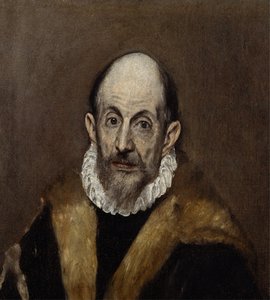
1541 - 1614 , Griechenland


Håll dig uppdaterad med de senaste konstnyheterna, exklusiva erbjudanden och inredningsidéer.
Berätta om ditt projekt så kommer våra konstexperter att ge dig 3 personliga konstförslag.
Vi skapar ett urval av 3 alternativ helt anpassat för dig – gratis!


 Förhandsvisa
 Skicka
 Dela
Dela
 Visa detaljer

 Ladda ner
 Liknande objekt
 Röntgen
 Bildspel

 Visa mer


