


x

Köp en högupplöst, förbättrad digital bild med betydligt högre kvalitet än förhandsvisningen online.
Varje fil är noggrant förberedd av våra interna specialister med hjälp av avancerade verktyg och professionell manuell retuschering. Vi säkerställer att varje bild har exceptionell skärpa, exakt färgåtergivning och fina detaljer.
Den slutgiltiga filen levereras via e-post inom 72 timmar, optimerad för omedelbar användning i professionella sammanhang, redaktionellt bruk och tryckmiljöer. Detta är samma kvalitet som med förtroende används av ledande designstudior, förlag och gallerier.
Ladda ner en högupplöst fil för personlig visning, utskrift och kreativa projekt. ( Beställ tryck Beställ handmålad reproduktion)
När du väljer Most-Famous-Paintings.com får du inte bara en bild – du får ett professionellt förädlat digitalt konstverk, skapat med precision och med en garanterad tillfredsställelse. Här är allt som ingår i din beställning, automatiskt:

Din högupplösta digitala bild skickas till dig via e-post inom 72 timmar efter beställning – redo för omedelbar användning.

Ditt konstverk optimeras professionellt med hjälp av avancerade AI-verktyg och manuell redigering, vilket garanterar maximal detaljrikedom, skärpa och färgnoggrannhet.

Har du råkat radera eller tappa bort din fil? Ingen oro – vi skickar den kostnadsfritt till dig när som helst.

Njut av ditt konstverk omedelbart utan tull, importavgifter eller leveranskostnader – digitala nedladdningar är alltid skattefria.

Vi säkerställer att din digitala bild återger de ursprungliga färgerna så exakt som möjligt med hjälp av professionella verktyg och färghantering.

Om du inte är nöjd med din digitala bild kommer vi att revidera den eller återbetala 100% inom 60 dagar – utan frågor.

Inte nöjd? Få full återbetalning inom 60 dagar efter att du har tagit emot din digitala fil – utan frågor och diskussioner.

Köp 3 bilder, spara 10% – Köp 5, spara 15% – Köp 10+, spara 20%. Perfekt för kreativa projekt, gallerier och byråer.
Domenikos Theotokopoulos, universally known as El Greco—“the Greek”—stands as one of the most singular and intensely felt figures in art history. Born in Candia (modern-day Crete) in 1541, his life was a vibrant tapestry woven from Byzantine traditions, Venetian influences, and ultimately, the fiery spirit of Spain. “The Repentant St. Peter,” painted around 1605, is not merely a depiction of a biblical scene; it’s a visceral embodiment of remorse, faith, and the profound struggle between earthly failings and divine grace—a testament to El Greco's unique ability to infuse religious subject matter with an almost unbearable emotional intensity.
The painting immediately commands attention through its dramatic use of chiaroscuro – the stark contrast between light and shadow. El Greco masterfully employs this technique, plunging the viewer into a world of deep darkness punctuated by brilliant highlights that sculpt the figure of St. Peter with startling realism. This isn’t simply an artistic choice; it mirrors the psychological drama unfolding within the scene—the overwhelming weight of guilt and the desperate yearning for redemption. The dark background, adorned with subtly rendered foliage, serves to isolate the saint, intensifying his isolation and emphasizing the gravity of his repentance.
El Greco’s distinctive style is instantly recognizable—a radical departure from the prevailing Renaissance ideals. His figures are elongated, almost impossibly so, with limbs that stretch and twist in a way that defies anatomical accuracy. This deliberate distortion isn't an error; it’s a conscious decision to convey heightened emotion and spiritual intensity. The figure of St. Peter is no longer a solid, grounded presence; he appears to be dissolving into the darkness, his body contorted in agony as he kneels in prayer. This elongated form, coupled with his flickering brushwork—a technique that creates an almost vibrating sense of movement—is a hallmark of El Greco’s oeuvre and anticipates elements of Expressionism centuries later.
The composition itself is strikingly intimate. El Greco eschews the traditional, grand scale often associated with religious paintings, opting instead for a close-up view that forces the viewer to confront St. Peter's suffering directly. This immediacy—the feeling that we are witnessing a deeply personal moment of confession—is profoundly affecting. The crossed keys, symbols of his role as the first Pope and keeper of Heaven’s gates, hang heavy with significance, representing both his past failures and his renewed commitment to faith.
“The Repentant St. Peter” is deeply rooted in the religious and artistic traditions of its time. El Greco drew heavily on Byzantine iconography, particularly the use of halos and the depiction of saints in moments of intense spiritual struggle. However, he transformed these conventions into something entirely his own—a highly personal expression of faith filtered through a uniquely tormented soul. The painting’s creation coincided with El Greco's period in Toledo, Spain, where he found a receptive audience for his emotionally charged works and established a lasting legacy. Duncan Phillips famously categorized El Greco as a “baroque way,” recognizing his stylistic innovations as precursors to both classical order and romantic emotion – a testament to the artist’s profound influence on subsequent generations of artists.
The painting's placement within The Phillips Collection, alongside works by other masters like Rembrandt and Van Gogh, highlights El Greco’s position as a pivotal figure in art history. His ability to evoke such raw emotion through his distinctive style continues to resonate with viewers today, making “The Repentant St. Peter” not just a beautiful painting but a powerful meditation on faith, guilt, and the enduring human capacity for redemption.
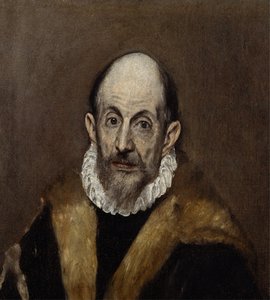
1541 - 1614 , Griechenland


Håll dig uppdaterad med de senaste konstnyheterna, exklusiva erbjudanden och inredningsidéer.
Berätta om ditt projekt så kommer våra konstexperter att ge dig 3 personliga konstförslag.
Vi skapar ett urval av 3 alternativ helt anpassat för dig – gratis!


 Förhandsvisa
 Skicka
 Dela
Dela
 Visa detaljer

 Ladda ner
 Liknande objekt
 Röntgen
 Bildspel

 Visa mer


