x

 Oil On CanvasWallArtGerman Expressionism
 191419th Century
 90.0 x 61.0 cm
Giclée- eller canvasprint av museumskvalitet med snabb produktion och flexibla ytbehandlingsalternativ. ( Beställ handmålad reproduktion Köp högupplöst bild)





























Välj bland våra förinställda storlekar som motsvarar konstverkets ursprungliga proportioner.

Du kan ange egna mått för att passa en specifik ram eller yta. Om det valda måttet inte överensstämmer med originalbildens proportioner kommer vi antingen att beskära konstverket eller utöka bilden med en speglad eller enfärgad kant. En digital mockup skickas för ditt godkännande innan produktionen påbörjas.
Vänligen notera att förhandsvisningen på skärmen inte återspeglar den faktiska beskärningen eller utökningen. Endast mockuppen visar den slutgiltiga kompositionen korrekt.
Även om anpassade storlekar är möjliga, rekommenderar vi att du väljer ett mått från den fördefinierade listan för att bevara de ursprungliga proportionerna.
Leverans över hela världen () på 2 veckor istället för standard 4/5 veckor. (17 augusti)


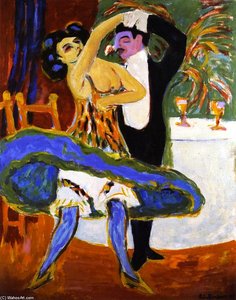
Dancer
Storlek på reproduktion
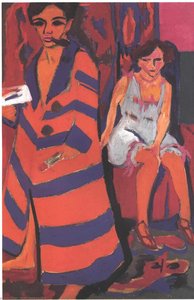
“Dancer,” painted in 1914 by Ernst Ludwig Kirchner, is more than just a depiction of a woman in white; it's a visceral plunge into the heart of German Expressionism. This oil on canvas, measuring 90 x 61 cm, pulsates with an intensity born from Kirchner’s profound engagement with the anxieties and emotional currents swirling through early 20th-century Europe. The painting immediately arrests the viewer with its bold color palette – a riot of reds, blues, and yellows that seem to vibrate with unspoken emotion – and its deliberately distorted forms, hallmarks of a movement determined to reject the comfortable illusions of realism.
Kirchner’s ‘Dancer’ exemplifies the core tenets of Expressionism, a movement that sought to express inner psychological states rather than objective reality. Born from a period of rapid industrialization, social upheaval, and artistic experimentation, Expressionism aimed to capture the anxieties, alienation, and spiritual crises felt by many in response to these changes. Unlike traditional artists who focused on depicting the world as it appeared, Kirchner and his contemporaries deliberately distorted form and color to evoke specific emotions – fear, loneliness, disorientation – within the viewer. The influence of artists like Edvard Munch and Egon Schiele is palpable here, sharing a similar commitment to portraying subjective experience over objective observation.
The painting’s symbolism isn't overtly didactic; instead, it invites interpretation. The dancer herself could represent the destabilization of traditional values in a rapidly changing world. Her isolated presence within the theatrical setting suggests themes of alienation and the loss of connection. Painted in 1914, just before the outbreak of World War I, ‘Dancer’ reflects the pervasive sense of unease and uncertainty that gripped Europe at the time. Kirchner's work was deeply influenced by his experiences living in cities undergoing rapid transformation – from Frankfurt to Chemnitz – witnessing firsthand the social and psychological consequences of modernity.
“Dancer” remains a powerfully evocative artwork, demonstrating Kirchner's mastery of color and form to convey intense emotion. Its dynamic composition and unsettling beauty continue to resonate with viewers today. A hand-painted reproduction offers an exceptional opportunity to bring this seminal work into your home or office – a testament to the enduring power of Expressionism and a captivating addition to any art collection. Consider its impact as a focal point, injecting a dose of raw emotion and intellectual stimulation into your space.

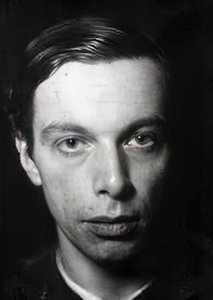
1880 - 1938 , Tyskland

Explore the visceral power of German Expressionism. From Ernst Ludwig Kirchner to Die Brücke, discover how bold colors and distorted forms unmask raw human emotion in this expert art history guide for collectors and enthusiasts.

Explore the profound history and technical mastery of woodcut relief printing. From ancient origins to German Expressionism, discover how artists use the subtractive process to create iconic works. A definitive guide for art students, collectors, and historians.


Håll dig uppdaterad med de senaste konstnyheterna, exklusiva erbjudanden och inredningsidéer.
Berätta om ditt projekt så kommer våra konstexperter att ge dig 3 personliga konstförslag.
Vi skapar ett urval av 3 alternativ helt anpassat för dig – gratis!


 Förhandsvisa
 Skicka
 Dela
Dela
 Visa detaljer

 Ladda ner
 Liknande objekt
 Röntgen
 Bildspel
 Visa mer







 Glasalternativet är endast tillgängligt i storlekar under 110 cm.