


x

 Acrylic On CanvasWallArtGerman Expressionism
 1928
1928 72.0 x 92.0 cm
 Staatliche Kunstsammlungen
Giclée- eller canvasprint av museumskvalitet med snabb produktion och flexibla ytbehandlingsalternativ. ( Beställ handmålad reproduktion Köp högupplöst bild)





























Välj bland våra förinställda storlekar som motsvarar konstverkets ursprungliga proportioner.

Du kan ange egna mått för att passa en specifik ram eller yta. Om det valda måttet inte överensstämmer med originalbildens proportioner kommer vi antingen att beskära konstverket eller utöka bilden med en speglad eller enfärgad kant. En digital mockup skickas för ditt godkännande innan produktionen påbörjas.
Vänligen notera att förhandsvisningen på skärmen inte återspeglar den faktiska beskärningen eller utökningen. Endast mockuppen visar den slutgiltiga kompositionen korrekt.
Även om anpassade storlekar är möjliga, rekommenderar vi att du väljer ett mått från den fördefinierade listan för att bevara de ursprungliga proportionerna.
Leverans över hela världen () på 2 veckor istället för standard 4/5 veckor. (23 augusti)


Davoser Café
Storlek på reproduktion
Ernst Ludwig Kirchner’s “Davoser Café,” painted in 1928, isn't merely a depiction of a bar scene; it’s a vibrant, almost frenetic snapshot of early 20th-century social life—a moment frozen in time within the bustling heart of Davos. Created during a period of rapid societal change and artistic experimentation, this oil on canvas offers a compelling glimpse into the anxieties and exhilarations of a modernizing Germany through Kirchner’s signature Expressionist lens.
Kirchner, a pivotal figure in the Die Brücke group, sought to capture not just appearances but the raw emotional essence of his subjects. He wasn't interested in replicating reality with photographic precision; instead, he employed bold colors, distorted forms, and dynamic brushstrokes to convey a sense of urgency and psychological intensity. “Davoser Café” exemplifies this approach perfectly, transforming a commonplace setting into a powerful expression of human interaction.
The painting immediately draws the eye with its crowded composition—a swirling mass of figures engaged in various activities: reading newspapers, sipping coffee, conversing animatedly. Kirchner masterfully utilizes perspective to create a sense of depth, pulling the viewer into this lively tableau. The arrangement isn’t static; it feels like a continuous flow of movement, as if the scene is perpetually unfolding.
Kirchner’s use of color is profoundly expressive, moving far beyond mere representation. He employs a palette dominated by greens, blues, and ochres, colors often associated with unease, alienation, and the anxieties of modern life. These cool tones are juxtaposed with flashes of red and yellow, creating visual tension and highlighting key figures within the scene.
The greenish hues applied to the figures’ skin suggest a sense of detachment or even an otherworldly quality, while the sharp contrasts amplify the painting's emotional impact."Davoser Café" was painted during a period of immense social and political upheaval in Germany. The rise of industrialization, urbanization, and the increasing pace of life were contributing to feelings of alienation and uncertainty. Kirchner’s art reflects these anxieties, capturing the psychological impact of modernity on individuals within a rapidly changing world.
The painting's creation coincided with Kirchner's membership in Die Brücke, a group that sought to break away from traditional academic styles and explore new forms of artistic expression. Their work was often characterized by its emotional intensity, social critique, and rejection of bourgeois values. “Davoser Café” stands as a testament to this movement’s ambition and innovative spirit.
Beyond its immediate depiction of a café scene, "Davoser Café" can be interpreted as a meditation on the fragmented nature of modern identity. The blurred figures, the sense of anonymity, and the overall feeling of chaos suggest that individuals are increasingly isolated within the vastness of urban life.
The painting’s enduring power lies in its ability to evoke a complex range of emotions—a mixture of excitement, anxiety, and perhaps even a touch of melancholy. It's a poignant reminder of the challenges and complexities of navigating the modern world, rendered with Kirchner’s characteristic boldness and emotional intensity.

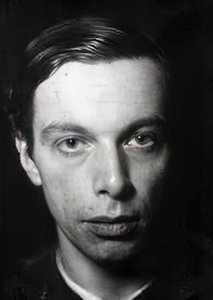
1880 - 1938 , Tyskland

Explore the visceral power of German Expressionism. From Ernst Ludwig Kirchner to Die Brücke, discover how bold colors and distorted forms unmask raw human emotion in this expert art history guide for collectors and enthusiasts.


Håll dig uppdaterad med de senaste konstnyheterna, exklusiva erbjudanden och inredningsidéer.
Berätta om ditt projekt så kommer våra konstexperter att ge dig 3 personliga konstförslag.
Vi skapar ett urval av 3 alternativ helt anpassat för dig – gratis!


 Förhandsvisa
 Skicka
 Dela
Dela
 Visa detaljer

 Ladda ner
 Liknande objekt
 Röntgen
 Bildspel
 Visa mer







 Glasalternativet är endast tillgängligt i storlekar under 110 cm.


