


x

 Oil On CanvasWallArtExpressionist Urbanity
 1912
1912 101.0 x 113.0 cm
 Staatsgalerie Moderner Kunst
Köp en högupplöst, förbättrad digital bild med betydligt högre kvalitet än förhandsvisningen online.
Varje fil är noggrant förberedd av våra interna specialister med hjälp av avancerade verktyg och professionell manuell retuschering. Vi säkerställer att varje bild har exceptionell skärpa, exakt färgåtergivning och fina detaljer.
Den slutgiltiga filen levereras via e-post inom 72 timmar, optimerad för omedelbar användning i professionella sammanhang, redaktionellt bruk och tryckmiljöer. Detta är samma kvalitet som med förtroende används av ledande designstudior, förlag och gallerier.
Ladda ner en högupplöst fil för personlig visning, utskrift och kreativa projekt. ( Beställ tryck Beställ handmålad reproduktion)
När du väljer Most-Famous-Paintings.com får du inte bara en bild – du får ett professionellt förädlat digitalt konstverk, skapat med precision och med en garanterad tillfredsställelse. Här är allt som ingår i din beställning, automatiskt:

Din högupplösta digitala bild skickas till dig via e-post inom 72 timmar efter beställning – redo för omedelbar användning.

Ditt konstverk optimeras professionellt med hjälp av avancerade AI-verktyg och manuell redigering, vilket garanterar maximal detaljrikedom, skärpa och färgnoggrannhet.

Har du råkat radera eller tappa bort din fil? Ingen oro – vi skickar den kostnadsfritt till dig när som helst.

Njut av ditt konstverk omedelbart utan tull, importavgifter eller leveranskostnader – digitala nedladdningar är alltid skattefria.

Vi säkerställer att din digitala bild återger de ursprungliga färgerna så exakt som möjligt med hjälp av professionella verktyg och färghantering.

Om du inte är nöjd med din digitala bild kommer vi att revidera den eller återbetala 100% inom 60 dagar – utan frågor.

Inte nöjd? Få full återbetalning inom 60 dagar efter att du har tagit emot din digitala fil – utan frågor och diskussioner.

Köp 3 bilder, spara 10% – Köp 5, spara 15% – Köp 10+, spara 20%. Perfekt för kreativa projekt, gallerier och byråer.
Ernst Ludwig Kirchner’s *Rotes Elisabethufer*, painted in 1912, isn’t merely a cityscape; it’s a visceral snapshot of early 20th-century Berlin – a city brimming with restless energy and the anxieties of modernity. This oil on canvas, measuring a substantial 101 x 113 cm, housed within the Staatsgalerie in Munich, captures a pivotal moment in Kirchner's artistic journey and the broader trajectory of German Expressionism. The painting immediately assaults the senses with its bold palette: fiery reds dominate the composition, particularly in the prominent bridge that arches dramatically across the river, while blues and greens provide a stark contrast, hinting at both the industrial grit and the fleeting beauty of the urban landscape.
Kirchner was a central figure in Die Brücke (The Bridge), a group of artists who deliberately rejected the academic traditions of their time. They sought to express raw emotion and subjective experience through distorted forms, jarring colors, and an unflinching portrayal of modern life. *Rotes Elisabethufer* embodies this ethos perfectly. The figures depicted – pedestrians strolling along the embankment, individuals clustered near the bridge – are not rendered with realistic detail but rather as fragmented shapes, imbued with a sense of urgency and alienation. Their postures suggest movement, yet there’s no clear direction or destination; they seem caught in the relentless current of urban existence.
The composition itself is deliberately unsettling. Kirchner employs a dynamic, almost frenetic approach to perspective, creating a sense of depth that feels simultaneously inviting and disorienting. The bridge, rendered in intense red, acts as a visual anchor, drawing the eye into the heart of the scene. However, its exaggerated form and vibrant hue contribute to the overall feeling of unease. The castle-like building on the opposite bank isn’t a comforting landmark but rather a looming presence, adding to the painting's sense of claustrophobia and impending doom – a common theme in Kirchner’s work reflecting the anxieties of his time.
Kirchner’s masterful technique lies not in meticulous realism but in his ability to convey emotion through brushwork. Thick, impasto strokes create a palpable texture, emphasizing the physicality of the paint itself. The colors are applied with an almost violent energy, creating a sense of movement and dynamism. The distortion of forms – elongated figures, skewed angles, and exaggerated proportions – is not arbitrary; it’s a deliberate strategy to communicate the psychological state of the subjects, reflecting the emotional turmoil simmering beneath the surface of modern life.
*Rotes Elisabethufer* resonates with deeper symbolic meaning. The “Red Elisabeth Bridge,” as it's often referred to, was a significant landmark in Berlin, connecting the city’s burgeoning industrial district with its historic center. However, Kirchner transforms this familiar scene into something far more complex and unsettling. The bridge becomes a symbol of transition, of the collision between tradition and modernity, between past and future. The river itself can be interpreted as a metaphor for the flow of time, carrying both promise and peril.
Furthermore, the painting’s vibrant colors – particularly the dominant red – are often associated with passion, energy, and even danger. Kirchner uses this color to heighten the emotional intensity of the scene, conveying a sense of urgency and excitement while simultaneously hinting at underlying anxieties. The overall effect is one of profound psychological depth, inviting viewers to contemplate the complexities of urban life and the human condition.
*Rotes Elisabethufer* stands as a cornerstone of German Expressionism and a testament to Kirchner’s unique artistic vision. Its influence can be seen in the works of subsequent generations of artists, who continued to explore themes of alienation, anxiety, and social critique. The painting's raw emotional power and innovative use of color and form continue to resonate with audiences today, solidifying its place as a masterpiece of modern art. Reproductions of this iconic work offer a powerful window into the soul of Berlin at the dawn of the 20th century – a city grappling with rapid change and searching for meaning in an increasingly complex world.

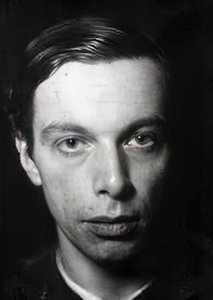
1880 - 1938 , Tyskland


Håll dig uppdaterad med de senaste konstnyheterna, exklusiva erbjudanden och inredningsidéer.
Berätta om ditt projekt så kommer våra konstexperter att ge dig 3 personliga konstförslag.
Vi skapar ett urval av 3 alternativ helt anpassat för dig – gratis!


 Förhandsvisa
 Skicka
 Dela
Dela
 Visa detaljer

 Ladda ner
 Liknande objekt
 Röntgen
 Bildspel
 Visa mer


