


x


 Preview
 Beställ målning Köp högupplöst digital bild
 Skicka
 Visa detaljer
 Lägg till i favoriter
 Ladda ner
 Liknande objekt
 Röntgen
 Bildspel
Giclée- eller canvasprint av museumskvalitet med snabb produktion och flexibla ytbehandlingsalternativ.





























Välj bland våra förinställda storlekar som motsvarar konstverkets ursprungliga proportioner.

Du kan ange egna mått för att passa en specifik ram eller yta. Om det valda måttet inte överensstämmer med originalbildens proportioner kommer vi antingen att beskära konstverket eller utöka bilden med en speglad eller enfärgad kant. En digital mockup skickas för ditt godkännande innan produktionen påbörjas.
Vänligen notera att förhandsvisningen på skärmen inte återspeglar den faktiska beskärningen eller utökningen. Endast mockuppen visar den slutgiltiga kompositionen korrekt.
Även om anpassade storlekar är möjliga, rekommenderar vi att du väljer ett mått från den fördefinierade listan för att bevara de ursprungliga proportionerna.
Leverans över hela världen () på 2 veckor istället för standard 4/5 veckor. (27 juli)


The Balcony
Storlek på reproduktion
Fernand Léger's "The Balcony," painted in 1914, offers a captivating glimpse into the burgeoning artistic landscape of early 20th-century France. This seemingly simple depiction – a group of figures gathered on a balcony – is far more than just a snapshot of a domestic scene; it’s a carefully constructed meditation on modernity, industrialization, and the human condition within a rapidly changing world. Léger, born Joseph Fernand Henri Léger in 1881 in Argentan, Normandy, was a pivotal figure who bridged the gap between traditional representation and the radical experimentation that would define modern art. His upbringing amidst the rural rhythms of Normandy – observing the physicality of labor and the enduring forms of nature – profoundly shaped his artistic sensibility, informing his later embrace of geometric abstraction and his fascination with the mechanical.
“The Balcony” exemplifies Léger’s signature “Tubism,” a style he developed in collaboration with Pablo Picasso. This approach, born from his observations of moving vehicles and industrial machinery, sought to capture the essence of these forms through fragmented geometric shapes. Unlike purely abstract art, Léger retained recognizable human figures, albeit heavily stylized and reduced to their fundamental components. The painting’s surface is characterized by a bold, almost brutalist application of paint – thick impasto strokes create a tactile quality that emphasizes the materiality of the objects and figures. This technique contributes significantly to the work's powerful sense of dynamism and its rejection of traditional illusionistic representation.
Technique Highlights:Painted in 1914, just before the outbreak of World War I, “The Balcony” reflects a period of profound social and technological upheaval. Léger was deeply concerned with the impact of industrialization on human life, anticipating the dehumanizing effects of mass production and the erosion of traditional values. The figures in the painting can be interpreted as representing humanity’s struggle to adapt to this new reality – their unified posture suggesting a shared experience of uncertainty and transformation. The clocks, symbols of time's relentless progression, underscore the anxieties surrounding modernity and the loss of control over one's own life. This work is a crucial piece in understanding Léger’s broader artistic project: a bold attempt to translate the language of the machine into a new visual vocabulary for the 20th century.
"The Balcony" transcends its historical context to offer a powerful meditation on human connection, time, and the forces shaping our world. Léger’s masterful use of form, color, and texture creates an image that is both visually arresting and emotionally resonant. This hand-painted reproduction captures the essence of Léger's artistic vision with exceptional fidelity, offering art lovers, collectors, and interior designers alike a unique opportunity to experience the power and beauty of this seminal work. Its bold geometric forms and evocative symbolism make it a compelling addition to any collection or a striking focal point within an interior space.

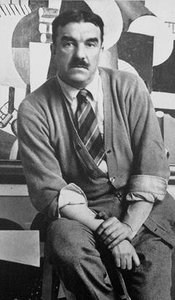
1881 - 1955 , Frankrike
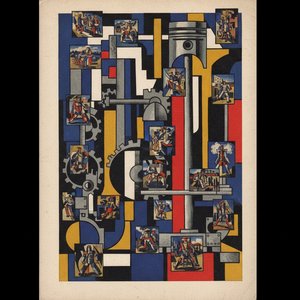
Utforska Fernand Légers 25 mest ikoniska målningar! Fördjupa dig i kubismens värld, maskinålderns färgstarka estetik och tidlösa konstverk. Köp reproduktioner av högsta kvalitet på Most-Famous-Paintings.com – för din inredning.

Utforska de 25 mest ikoniska konstverken på Metropolitan Museum of Art i New York! Upptäck van Gogh, Monet, Rembrandt och mer – deras historia, teknik & inspiration. Hitta museumskvalitativa tryck och inred ditt hem med tidlös skönhet hos Most-Famous-Paintings.com.
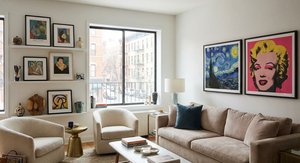
Upptäck MOMA:s 25 mest ikoniska konstverk – från van Gogh till Warhol! Lär känna historien bakom mästerverken och hitta inspiration för din heminredning. Köp museumskvalitativa reproduktioner på Most-Famous-Paintings.com.
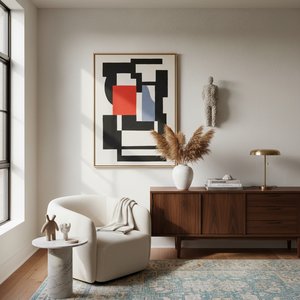
Explore 10 defining masterpieces of early modern art – from Picasso & Matisse to Dalí! Discover the stories behind iconic paintings, movements like Cubism & Surrealism. Find museum-quality art reproductions for your home at Most-Famous-Paintings.com.
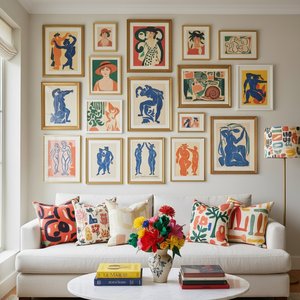
Utforska Henri Matisse' 25 mest ikoniska målningar! Lär känna Fauvismens färgstarka värld och hans tidlösa konst. Upptäck historien bakom varje mästerverk & hitta inspiration för din inredning på Most-Famous-Paintings.com.


Håll dig uppdaterad med de senaste konstnyheterna, exklusiva erbjudanden och inredningsidéer.
Berätta om ditt projekt så kommer våra konstexperter att ge dig 3 personliga konstförslag.
Vi skapar ett urval av 3 alternativ helt anpassat för dig – gratis!


 Dela
Dela


 Visa mer







 Glasalternativet är endast tillgängligt i storlekar under 110 cm.


