


x


Giclée- eller canvasprint av museumskvalitet med snabb produktion och flexibla ytbehandlingsalternativ. ( Switch to hand made Painting Switch to Image)
Välj bland våra förinställda storlekar som motsvarar konstverkets ursprungliga proportioner.

Du kan ange egna mått för att passa en specifik ram eller yta. Om det valda måttet inte överensstämmer med originalbildens proportioner kommer vi antingen att beskära konstverket eller utöka bilden med en speglad eller enfärgad kant. En digital mockup skickas för ditt godkännande innan produktionen påbörjas.
Vänligen notera att förhandsvisningen på skärmen inte återspeglar den faktiska beskärningen eller utökningen. Endast mockuppen visar den slutgiltiga kompositionen korrekt.
Även om anpassade storlekar är möjliga, rekommenderar vi att du väljer ett mått från den fördefinierade listan för att bevara de ursprungliga proportionerna.
Leverans över hela världen () på 2 veckor istället för standard 4/5 veckor. (30 juli)


The flower polychrome
Storlek på reproduktion
Fernand Léger's "The Flower Polychrome," created in 1952, is more than just a sculpture; it’s a crystallized moment of artistic revolution. This captivating piece, rendered in a striking black and gold palette with subtle silver accents, embodies the core tenets of Léger’s groundbreaking approach to modern art – a fearless embrace of industrial forms and their inherent beauty. Born in Argentan, Normandy, in 1881, Léger's formative years spent observing the rhythms of rural life profoundly shaped his artistic sensibility. He rejected the prevailing trend toward pure abstraction, instead seeking to translate the dynamism of the machine age – the factories, the trains, the burgeoning urban landscape – into a visual language that was both powerfully abstract and deeply connected to the tangible world around him. This sculpture represents a culmination of this lifelong exploration, a testament to his ability to find harmony between the organic and the mechanical.
“The Flower Polychrome” is firmly rooted in the principles of Cubism, particularly its emphasis on geometric forms and multiple perspectives. However, unlike Picasso or Braque, Léger didn't simply dissect objects; he actively sought to *reconstruct* them, presenting fragmented elements arranged in a dynamic, almost chaotic composition. The central star-like structure, radiating outwards with smaller, repeating shapes, mimics the visual impact of a complex gear mechanism – a deliberate homage to the industrial world that captivated Léger. The use of bold, contrasting colors further amplifies this effect, creating a sense of movement and energy. Notice how the gold tones shimmer and reflect light, mimicking the polished surfaces of machinery, while the black provides a grounding counterpoint, emphasizing the geometric precision.
Beyond its purely formal qualities, “The Flower Polychrome” carries significant symbolic weight. Léger’s work frequently explored themes of industrial progress and renewal – ideas deeply relevant to post-World War II France. The flower motif, despite the sculpture's metallic construction, subtly references nature, suggesting a harmonious integration between humanity and technology. The repetition of forms can be interpreted as representing the mass production inherent in modern industry, yet the overall composition retains an element of elegance and beauty, hinting at the potential for progress to be both efficient and aesthetically pleasing. The piece speaks to a desire to rebuild and reimagine society after the devastation of war, embracing innovation while retaining a connection to fundamental values.
The sculpture’s creation involved meticulous craftsmanship, likely utilizing techniques associated with metalworking. Léger's preference for polished surfaces – evident in “The Flower Polychrome” – was crucial to his aesthetic vision. The reflective qualities of the metal not only enhanced the visual impact but also contributed to the sense of dynamism and movement within the piece. The careful arrangement of the smaller stars and shapes demonstrates a sophisticated understanding of spatial relationships, creating a complex and visually engaging composition. This level of detail speaks to Léger’s commitment to translating his artistic ideas into tangible form with precision and skill.
A hand-painted reproduction of “The Flower Polychrome” offers a remarkable opportunity to bring this iconic work into your home or office. Its bold colors and dynamic composition will undoubtedly serve as a focal point, sparking conversation and reflecting the enduring power of Léger’s artistic vision.

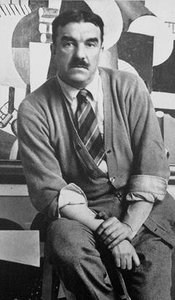
1881 - 1955 , Frankrike

Upptäck Hermitagemuseets 25 mest ikoniska konstverk! Fördjupa dig i Rembrandts barock, Da Vincis renässans och Vermeers mästerliga ljus. Hitta inspiration & lyxiga reproduktioner för ditt hem på Most-Famous-Paintings.com.

Discover how curated art collections elevate Michelin-starred dining experiences. Expert insights on sensory branding, emotional intelligence & ROI for luxury restaurants and hotels. Transform your space with Most-Famous-Paintings.

Utforska 10 ikoniska minimalistiska konstverk från Rothko till Mondrian. Lär känna historien bakom dessa tidlösa mästerverk och hitta inspiration för en stilren inredning. Köp högkvalitativa konsttryck på Most-Famous-Paintings.com!

Utforska de 25 mest ikoniska konstverken på Metropolitan Museum of Art i New York! Upptäck van Gogh, Monet, Rembrandt och mer – deras historia, teknik & inspiration. Hitta museumskvalitativa tryck och inred ditt hem med tidlös skönhet hos Most-Famous-Paintings.com.
Utforska kubismens 10 mästerverk med Picasso, Braque & fler! Lär känna konsthistorien bakom denna revolutionerande stil. Högkvalitativa konsttryck och inredningsinspiration på Most-Famous-Paintings.com – upptäck samlingen online!


Håll dig uppdaterad med de senaste konstnyheterna, exklusiva erbjudanden och inredningsidéer.
Berätta om ditt projekt så kommer våra konstexperter att ge dig 3 personliga konstförslag.
Vi skapar ett urval av 3 alternativ helt anpassat för dig – gratis!


 Skicka
 Dela
Dela
 Visa detaljer

 Ladda ner
 Liknande objekt
 Bildspel

 Visa mer




































 Glasalternativet är endast tillgängligt i storlekar under 110 cm.


