x


Giclée- eller canvasprint av museumskvalitet med snabb produktion och flexibla ytbehandlingsalternativ. ( Switch to hand made Painting Switch to Image)





























Välj bland våra förinställda storlekar som motsvarar konstverkets ursprungliga proportioner.

Du kan ange egna mått för att passa en specifik ram eller yta. Om det valda måttet inte överensstämmer med originalbildens proportioner kommer vi antingen att beskära konstverket eller utöka bilden med en speglad eller enfärgad kant. En digital mockup skickas för ditt godkännande innan produktionen påbörjas.
Vänligen notera att förhandsvisningen på skärmen inte återspeglar den faktiska beskärningen eller utökningen. Endast mockuppen visar den slutgiltiga kompositionen korrekt.
Även om anpassade storlekar är möjliga, rekommenderar vi att du väljer ett mått från den fördefinierade listan för att bevara de ursprungliga proportionerna.
Leverans över hela världen () på 2 veckor istället för standard 4/5 veckor. (29 juli)


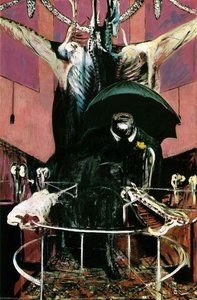
composition, 1933
Storlek på reproduktion
Francis Bacon’s “Composition,” painted in 1933, stands as one of the most unsettling and iconic images of his oeuvre. More than just a depiction of a woman cradling a giraffe – an incongruous pairing that immediately grabs the viewer's attention – it embodies the profound anxieties and psychological complexities characteristic of Bacon’s artistic vision during the interwar years.
The painting belongs to Bacon’s distinctive Surrealist style, albeit one radically divorced from traditional aesthetic conventions. He eschewed meticulous realism, opting instead for a technique that prioritized expressive distortion and visceral immediacy. Thickly applied oil paint—often described as “pigment,” reflecting Bacon's preference for raw material—creates a textured surface riddled with cracks and fissures, mirroring the fractured psyche he sought to portray.
Historically situated within the shadow of World War I and its aftermath, "Composition" reflects the pervasive disillusionment that gripped Europe. The Great War shattered illusions of heroism and progress, leaving artists grappling with questions of mortality, trauma, and the absurdity of existence—themes that Bacon relentlessly pursued throughout his career.
Symbolism permeates every element of the canvas. The giraffe itself is a jarring juxtaposition, representing vulnerability and fragility against the backdrop of masculine strength. Its awkward posture suggests instability and disorientation, mirroring the woman’s emotional state. The birds circling overhead symbolize observation and judgment—perhaps hinting at an inescapable awareness of suffering.
Beyond its visual impact, “Composition” resonates deeply with viewers on an emotional level. It evokes feelings of unease, vulnerability, and profound sadness – sensations that Bacon deliberately aimed to elicit. The painting isn’t merely about what is seen; it's about conveying the unspoken horrors lurking beneath the surface of consciousness.
Bacon’s masterful manipulation of color contributes significantly to the artwork’s emotional resonance. Dominant hues of ochre and crimson convey warmth and passion, yet these tones are undercut by streaks of sickly yellow and bruised purple—colors that symbolize decay and psychological torment. This chromatic dissonance amplifies the painting's unsettling atmosphere.
“Composition” continues to captivate audiences today because it transcends stylistic boundaries and speaks directly to universal human experiences. It serves as a powerful reminder that art can confront uncomfortable truths and illuminate the darkest recesses of the human psyche—a legacy cemented by Bacon’s enduring influence on subsequent generations of artists.

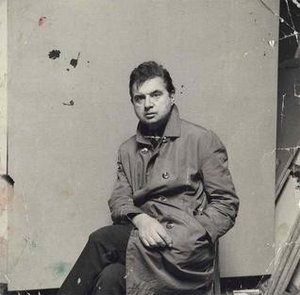
1909 - 1992 , Irland

Utforska Francis Bacons 25 mest ikoniska målningar – en djupdykning i expressionismens mörka skönhet och modern konst. Lär känna historien bakom varje verk och hitta inspiration för din inredning med Most-Famous-Paintings.coms museumkvalitativa tryck. Upptäck mästerverken online!

Explore the profound existential anguish of Francis Bacon's art. Discover how trauma shaped his iconic paintings & lasting influence on modern expressionism. A guide for discerning collectors.

Utforska den fascinerande världen av abstrakt måleri! Djupdyk i konsthistorien, från surrealismens inflytande till New York-skolans revolution. Expertanalyser och insikter för konstsamlare.

Explore the profound emotional depth & formal innovations of abstract painting. Discover key artists like Rothko & Kandinsky, understand art collecting insights, and elevate your space with timeless masterpieces. Expert analysis for discerning collectors.

Skapa ett harmoniskt hem med skräddarsydd konst! Most-Famous-Paintings erbjuder expertkonsultation, handmålade reproduktioner & unika tavlor. Investera i ditt välbefinnande – utforska vår samling!


Håll dig uppdaterad med de senaste konstnyheterna, exklusiva erbjudanden och inredningsidéer.
Berätta om ditt projekt så kommer våra konstexperter att ge dig 3 personliga konstförslag.
Vi skapar ett urval av 3 alternativ helt anpassat för dig – gratis!


 Preview
 Skicka
 Dela
Dela
 Visa detaljer

 Ladda ner
 Liknande objekt
 Röntgen
 Bildspel
 Visa mer







 Glasalternativet är endast tillgängligt i storlekar under 110 cm.