


x

Köp en högupplöst, förbättrad digital bild med betydligt högre kvalitet än förhandsvisningen online.
Varje fil är noggrant förberedd av våra interna specialister med hjälp av avancerade verktyg och professionell manuell retuschering. Vi säkerställer att varje bild har exceptionell skärpa, exakt färgåtergivning och fina detaljer.
Den slutgiltiga filen levereras via e-post inom 72 timmar, optimerad för omedelbar användning i professionella sammanhang, redaktionellt bruk och tryckmiljöer. Detta är samma kvalitet som med förtroende används av ledande designstudior, förlag och gallerier.
Ladda ner en högupplöst fil för personlig visning, utskrift och kreativa projekt. ( Beställ tryck Beställ handmålad reproduktion)
När du väljer Most-Famous-Paintings.com får du inte bara en bild – du får ett professionellt förädlat digitalt konstverk, skapat med precision och med en garanterad tillfredsställelse. Här är allt som ingår i din beställning, automatiskt:

Din högupplösta digitala bild skickas till dig via e-post inom 72 timmar efter beställning – redo för omedelbar användning.

Ditt konstverk optimeras professionellt med hjälp av avancerade AI-verktyg och manuell redigering, vilket garanterar maximal detaljrikedom, skärpa och färgnoggrannhet.

Har du råkat radera eller tappa bort din fil? Ingen oro – vi skickar den kostnadsfritt till dig när som helst.

Njut av ditt konstverk omedelbart utan tull, importavgifter eller leveranskostnader – digitala nedladdningar är alltid skattefria.

Vi säkerställer att din digitala bild återger de ursprungliga färgerna så exakt som möjligt med hjälp av professionella verktyg och färghantering.

Om du inte är nöjd med din digitala bild kommer vi att revidera den eller återbetala 100% inom 60 dagar – utan frågor.

Inte nöjd? Få full återbetalning inom 60 dagar efter att du har tagit emot din digitala fil – utan frågor och diskussioner.

Köp 3 bilder, spara 10% – Köp 5, spara 15% – Köp 10+, spara 20%. Perfekt för kreativa projekt, gallerier och byråer.
Francis Bacon's "Study for Portrait I," painted in 1952, isn’t merely a portrait; it’s a visceral excavation of the human psyche. This arresting black and white image, part of a series exploring the complexities of identity and isolation, immediately confronts the viewer with an unsettling intimacy. The subject, seated in bed, is rendered not as a serene figure but as a being writhing under the weight of internal turmoil. Bacon’s signature style—a potent blend of expressionism and distortion—is on full display here, transforming a simple depiction into a profound meditation on vulnerability and the precariousness of existence.
The painting's genesis lies within Bacon’s deeply personal history. Born in Dublin amidst instability and familial discord, his early life instilled a sense of displacement that would permeate his art. This feeling is powerfully conveyed through the figure’s contorted features – a mouth stretched into an almost silent scream, eyes wide with a disconcerting mixture of fear and resignation. The purple robe or dressing gown, draped loosely over the body, suggests both vulnerability and confinement, hinting at a life lived within the confines of his own mind.
Bacon’s technique is deliberately unsettling. He eschewed traditional portraiture conventions, opting instead for a method he termed “attack painting.” This involved applying paint directly to the canvas with broad, gestural strokes, often using sand and oil pastels alongside the paint itself. The result isn't a smooth, polished surface; it’s a textured landscape of anxiety – ridges and valleys mirroring the emotional topography of the subject. The stark contrast between light and shadow further amplifies this effect, creating an atmosphere of claustrophobia and unease. Notice how the figure is almost dissolving into the background, blurring the boundaries between self and environment, a common motif in Bacon’s work.
“Study for Portrait I” emerged during a period of profound social and political upheaval following World War II. Bacon’s work reflects the anxieties and uncertainties of this era, capturing a sense of disillusionment and existential dread. Interestingly, Bacon frequently revisited themes of portraiture, often using them as a vehicle to explore darker aspects of human nature. The influence of artists like John Singer Sargent is evident, particularly in the initial composition – a subtle nod to Sargent’s “Portrait of Madame X,” which itself was a scandalous depiction of female beauty and sexuality. However, Bacon subverts this tradition entirely, transforming the idealized image into a harrowing portrayal of psychological vulnerability.
The painting's connection to Van Gogh is also significant; Bacon frequently drew inspiration from the tormented artist’s work, using his expressive brushstrokes and emotional intensity as a model for his own style. “Study for Portrait of Van Gogh III” demonstrates this influence directly, showcasing a similar exploration of melancholy and introspection.
Ultimately, "Study for Portrait I" is more than just a painting; it’s an invitation to confront uncomfortable truths about the human condition. The figure's silent anguish resonates with viewers on a deeply emotional level, prompting questions about identity, isolation, and the fragility of the self. It’s a testament to Bacon’s ability to translate complex psychological states into visual form—a powerful reminder that art can be both unsettling and profoundly moving. A reproduction of this work offers a unique opportunity to bring this intense portrait into your space, inviting contemplation and sparking dialogue about the enduring mysteries of human experience.

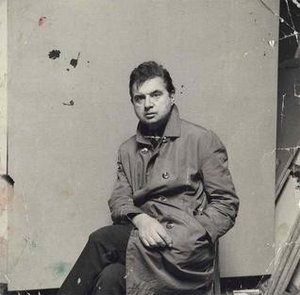
1909 - 1992 , Irland


Håll dig uppdaterad med de senaste konstnyheterna, exklusiva erbjudanden och inredningsidéer.
Berätta om ditt projekt så kommer våra konstexperter att ge dig 3 personliga konstförslag.
Vi skapar ett urval av 3 alternativ helt anpassat för dig – gratis!


 Förhandsvisa
 Skicka
 Dela
Dela
 Visa detaljer

 Ladda ner
 Liknande objekt
 Röntgen
 Bildspel
 Visa mer


