


x

Giclée- eller canvasprint av museumskvalitet med snabb produktion och flexibla ytbehandlingsalternativ. ( Beställ handmålad reproduktion Köp högupplöst bild)





























Välj bland våra förinställda storlekar som motsvarar konstverkets ursprungliga proportioner.

Du kan ange egna mått för att passa en specifik ram eller yta. Om det valda måttet inte överensstämmer med originalbildens proportioner kommer vi antingen att beskära konstverket eller utöka bilden med en speglad eller enfärgad kant. En digital mockup skickas för ditt godkännande innan produktionen påbörjas.
Vänligen notera att förhandsvisningen på skärmen inte återspeglar den faktiska beskärningen eller utökningen. Endast mockuppen visar den slutgiltiga kompositionen korrekt.
Även om anpassade storlekar är möjliga, rekommenderar vi att du väljer ett mått från den fördefinierade listan för att bevara de ursprungliga proportionerna.
Leverans över hela världen () på 2 veckor istället för standard 4/5 veckor. (20 augusti)


Three Cats
Storlek på reproduktion
Franz Marc’s “Three Cats,” painted in 1913, isn't merely a depiction of feline forms; it’s an immersive experience into the heart of Expressionism. Created during a period of intense artistic and societal upheaval, this work embodies the movement’s core tenets – a profound exploration of emotion, intuition, and the spiritual connection between humanity and nature. Marc, deeply influenced by his own search for meaning beyond the rational world, sought to capture not just what he *saw*, but what he *felt* about the animals that inhabited his vision. The painting pulsates with an almost palpable energy, a testament to Marc’s ability to translate inner experience into vibrant visual language.
The canvas itself is dominated by a rich and arresting palette of blues, yellows, and reds – colors far removed from the naturalistic hues typically favored in academic art. These aren't simply decorative choices; they are imbued with symbolic weight. Blue often represents spirituality and introspection, while yellow embodies joy and vitality. The strategic use of red, frequently associated with passion and primal instincts, adds a layer of intensity to the composition. Marc masterfully employs these colors not to mimic reality, but to evoke an emotional response within the viewer – a sense of wonder, perhaps even a touch of melancholy.
The arrangement of the three cats is deliberately dynamic, creating a feeling of restless movement. Each feline occupies a distinct space, yet they are interwoven through overlapping forms and suggestive lines. The first cat, positioned on the left, leans slightly towards the viewer, inviting engagement. The central cat appears to be in mid-stride, its body suggesting both alertness and tranquility. And the final cat, situated on the right, seems almost suspended in a moment of contemplation. This carefully orchestrated composition isn’t about static representation; it's about capturing a fleeting, vital energy – a snapshot of feline existence.
Adding to this dynamism is the lush background, a tapestry of stylized plants and flowers rendered with bold, simplified forms. These elements aren’t merely decorative; they serve as anchors for the composition, grounding the animals within a naturalistic setting while simultaneously contributing to the overall sense of movement. The integration of these organic shapes with the geometric abstraction of the cats creates a fascinating tension – a dialogue between the earthly and the ethereal.
Franz Marc’s work is steeped in symbolism, reflecting his deep interest in spirituality and the natural world. Animals, particularly those considered wild or untamed, held profound significance for him, representing a connection to primal instincts and a rejection of societal constraints. The cats themselves can be interpreted as symbols of innocence, vulnerability, and perhaps even a yearning for freedom. Marc frequently used animals to explore themes of mortality, rebirth, and the interconnectedness of all living things – ideas deeply rooted in his theological explorations during his formative years.
Furthermore, “Three Cats” aligns with Marc’s broader Expressionist philosophy, which sought to capture the subjective experience of the artist. The painting isn't a literal portrayal of cats; it’s an emotional distillation of what Marc felt when observing them – a feeling that transcends mere visual representation and speaks directly to the viewer’s soul. It is this profound emotional resonance that continues to captivate audiences over a century later.
Most-Famous-Paintings offers meticulously crafted, hand-painted reproductions of “Three Cats,” allowing you to experience the full power and beauty of Marc's masterpiece in your own space. Each reproduction captures the vibrancy of the original while retaining the delicate nuances of its artistic style – a perfect addition for art enthusiasts, collectors, or anyone seeking a touch of Expressionist spirit.

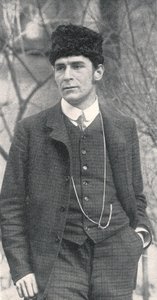
1880 - 1916 , Tyskland

Elevate your favorite photos into stunning anime masterpieces with Most-Famous-Paintings's AI-driven transformation. Experience the perfect fusion of cutting-edge technology and hand-painted oil artistry to create a timeless, personalized legacy for your home.


Håll dig uppdaterad med de senaste konstnyheterna, exklusiva erbjudanden och inredningsidéer.
Berätta om ditt projekt så kommer våra konstexperter att ge dig 3 personliga konstförslag.
Vi skapar ett urval av 3 alternativ helt anpassat för dig – gratis!


 Förhandsvisa
 Skicka
 Dela
Dela
 Visa detaljer

 Ladda ner
 Liknande objekt
 Röntgen
 Bildspel


 Visa mer







 Glasalternativet är endast tillgängligt i storlekar under 110 cm.


