x

 MasonitMexican Folk Modernism
 1951
1951 23.0 x 31.0 cm
 Los Angeles County Museum of Art
Giclée- eller canvasprint av museumskvalitet med snabb produktion och flexibla ytbehandlingsalternativ. ( Beställ handmålad reproduktion Köp högupplöst bild)





























Välj bland våra förinställda storlekar som motsvarar konstverkets ursprungliga proportioner.

Du kan ange egna mått för att passa en specifik ram eller yta. Om det valda måttet inte överensstämmer med originalbildens proportioner kommer vi antingen att beskära konstverket eller utöka bilden med en speglad eller enfärgad kant. En digital mockup skickas för ditt godkännande innan produktionen påbörjas.
Vänligen notera att förhandsvisningen på skärmen inte återspeglar den faktiska beskärningen eller utökningen. Endast mockuppen visar den slutgiltiga kompositionen korrekt.
Även om anpassade storlekar är möjliga, rekommenderar vi att du väljer ett mått från den fördefinierade listan för att bevara de ursprungliga proportionerna.
Leverans över hela världen () på 2 veckor istället för standard 4/5 veckor. (20 augusti)


Weeping Coconuts or Coconut Tears
Storlek på reproduktion
Frida Kahlo's "Weeping Coconuts or Coconut Tears," painted in 1951, is not merely a still life; it’s a raw, intensely personal exploration of grief, resilience, and the duality of Mexican identity. Created during a period marked by increasing physical pain and emotional turmoil – following her devastating bus accident – the painting offers a glimpse into Kahlo's uniquely introspective world. Measuring a modest 23 x 31 cm on masonite, this work immediately draws the eye with its vibrant palette and seemingly chaotic arrangement of fruits, yet beneath the surface lies a carefully constructed narrative brimming with symbolic weight.
At first glance, the composition appears joyful – an exuberant display of apples, oranges, and coconuts. These aren’t simply decorative elements; they are imbued with potent symbolism deeply rooted in Mexican culture. The apples, traditionally associated with fertility and new beginnings, sit prominently in the lower left corner, perhaps representing a yearning for restoration or a desire to overcome past hardships. Oranges, symbols of warmth, vitality, and prosperity, are scattered throughout the scene, suggesting an attempt to cultivate happiness amidst suffering. However, it’s the coconuts that hold the painting's most poignant message. Their drooping posture, almost as if weeping, directly references the title and speaks volumes about Kahlo’s internal state – a quiet sorrow layered beneath a vibrant exterior.
Kahlo's style in "Weeping Coconuts" is a fascinating blend of traditional Mexican folk art with the burgeoning modernist movement. The use of bold, flat colors and simplified forms echoes the vibrant imagery found in indigenous textiles and murals. Yet, unlike purely decorative works, Kahlo’s approach is deeply personal and emotionally charged. There's a deliberate primitivism at play – an emphasis on direct representation and symbolic resonance rather than meticulous detail. This simplification allows the viewer to connect with the painting on a visceral level, bypassing intellectual analysis and tapping into raw emotion. The masonite support itself contributes to this effect, lending a textured, almost tactile quality to the work.
"Weeping Coconuts" was created during a time of significant personal upheaval for Kahlo. Following her accident in 1925, she endured numerous surgeries and chronic pain, profoundly impacting her life and art. The painting reflects this ongoing struggle with physical limitations and emotional vulnerability. It’s important to note that the work is housed at the Los Angeles County Museum of Art (LACMA), a testament to its enduring significance within the broader context of Kahlo's oeuvre and the global appreciation for her unique artistic vision. Her exploration of identity, pain, and resilience continues to resonate deeply with audiences today, making "Weeping Coconuts" not just a beautiful painting but a powerful window into the soul of one of the 20th century’s most compelling artists.
Most-Famous-Paintings offers meticulously crafted hand-painted reproductions of “Weeping Coconuts or Coconut Tears,” allowing you to experience the raw emotion and vibrant beauty of this iconic work in stunning detail. Each reproduction is created by skilled artists using archival quality materials, ensuring a faithful representation of Kahlo’s original vision for generations to come.


1907 - 1954 , Mexico

Explore the life & art of Frida Kahlo – a journey through surrealism, identity, pain, and resilience. Discover her autobiographical masterpieces & lasting feminist legacy with Most-Famous-Paintings.

Embark on a profound journey through Frida Kahlo's most iconic masterpieces. Discover the deep symbolism, Mexican heritage, and resilient spirit behind her legendary works in this expert art-historical exploration designed for true art enthusiasts.
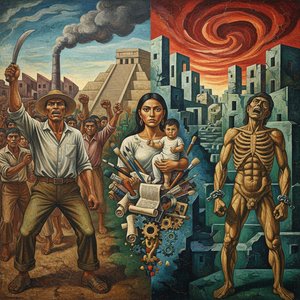
Explore the powerful world of Mexican muralism! Discover Diego Rivera, Frida Kahlo & Orozco's revolutionary art, social impact & lasting legacy. Expert insights & high-quality reproductions at Most-Famous-Paintings.

Embark on a visual journey through the vibrant colors and profound symbolism of iconic Mexican art. Explore the emotional depth of Frida Kahlo and other masters through our expert cultural analysis and premium hand-painted reproductions.

Explore the revolutionary murals of Diego Rivera and his profound impact on Mexican art & identity. Discover his techniques, iconic works like 'Man at the Crossroads,' and lasting legacy with Most-Famous-Paintings.


Håll dig uppdaterad med de senaste konstnyheterna, exklusiva erbjudanden och inredningsidéer.
Berätta om ditt projekt så kommer våra konstexperter att ge dig 3 personliga konstförslag.
Vi skapar ett urval av 3 alternativ helt anpassat för dig – gratis!


 Förhandsvisa
 Skicka
 Dela
Dela
 Visa detaljer

 Ladda ner
 Liknande objekt
 Röntgen
 Bildspel
 Visa mer







 Glasalternativet är endast tillgängligt i storlekar under 110 cm.