x

 Acrylic On CanvasWallArtSymbolist Movement
 1884
1884 116.0 x 257.0 cm
 Tate Britain
Köp en högupplöst, förbättrad digital bild med betydligt högre kvalitet än förhandsvisningen online.
Varje fil är noggrant förberedd av våra interna specialister med hjälp av avancerade verktyg och professionell manuell retuschering. Vi säkerställer att varje bild har exceptionell skärpa, exakt färgåtergivning och fina detaljer.
Den slutgiltiga filen levereras via e-post inom 72 timmar, optimerad för omedelbar användning i professionella sammanhang, redaktionellt bruk och tryckmiljöer. Detta är samma kvalitet som med förtroende används av ledande designstudior, förlag och gallerier.
Ladda ner en högupplöst fil för personlig visning, utskrift och kreativa projekt. ( Beställ tryck Beställ handmålad reproduktion)
När du väljer Most-Famous-Paintings.com får du inte bara en bild – du får ett professionellt förädlat digitalt konstverk, skapat med precision och med en garanterad tillfredsställelse. Här är allt som ingår i din beställning, automatiskt:

Din högupplösta digitala bild skickas till dig via e-post inom 72 timmar efter beställning – redo för omedelbar användning.

Ditt konstverk optimeras professionellt med hjälp av avancerade AI-verktyg och manuell redigering, vilket garanterar maximal detaljrikedom, skärpa och färgnoggrannhet.

Har du råkat radera eller tappa bort din fil? Ingen oro – vi skickar den kostnadsfritt till dig när som helst.

Njut av ditt konstverk omedelbart utan tull, importavgifter eller leveranskostnader – digitala nedladdningar är alltid skattefria.

Vi säkerställer att din digitala bild återger de ursprungliga färgerna så exakt som möjligt med hjälp av professionella verktyg och färghantering.

Om du inte är nöjd med din digitala bild kommer vi att revidera den eller återbetala 100% inom 60 dagar – utan frågor.

Inte nöjd? Få full återbetalning inom 60 dagar efter att du har tagit emot din digitala fil – utan frågor och diskussioner.

Köp 3 bilder, spara 10% – Köp 5, spara 15% – Köp 10+, spara 20%. Perfekt för kreativa projekt, gallerier och byråer.
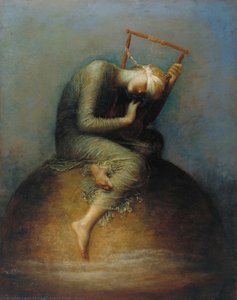
George Frederic Watts' “Eve Tempted,” painted in 1884, isn’t merely a depiction of the biblical Fall; it’s a profound exploration of human desire, vulnerability, and the fraught relationship between innocence and experience. Created during a period when Symbolism was challenging academic realism, Watts eschewed straightforward narrative for a richly layered allegory, inviting viewers to contemplate the complexities of choice and its consequences. The painting immediately draws the eye with its dramatic lighting – a stark contrast between the shadowed depths of the garden and the luminous glow surrounding Eve – suggesting a world poised on the brink of revelation, both alluring and terrifying.
Watts was deeply rooted in the artistic traditions of his time, yet he forged a distinctly personal style. “Eve Tempted” exemplifies this fusion. The composition is heavily influenced by Renaissance painting, particularly Botticelli’s “Primavera,” evident in the graceful pose of Eve and the lush, almost dreamlike quality of the foliage. However, Watts departs from traditional idealism, imbuing the scene with a palpable sense of melancholy and foreboding. His technique is characterized by meticulous detail – observe the intricate folds of Eve's dress, the delicate texture of the fruit, and the subtle variations in color—combined with a masterful use of chiaroscuro (the dramatic contrast between light and dark). The painting’s palette leans towards somber hues: deep greens, browns, and purples dominate, punctuated by the vibrant red of the apple, which acts as a visual focal point, radiating both temptation and danger. Watts' earlier exposure to Elgin Marbles also informed his work, particularly in the idealized forms of the figures.
Beyond the immediate narrative of the Fall, “Eve Tempted” is saturated with symbolic meaning. The garden itself represents Paradise, a state of blissful innocence and harmony. The dog beneath the tree – often interpreted as representing primal instinct or even Satan—watches over the scene, suggesting the ever-present threat to this idyllic existence. Eve’s posture, with one hand shielding her face and the other holding the apple, embodies both shame and defiance. Her nudity isn't presented as overtly sensual but rather as a symbol of vulnerability and exposure – she is stripped bare not just physically, but emotionally and spiritually. The apple itself is laden with symbolism: it represents knowledge, transgression, and the potential for both enlightenment and destruction. The surrounding flowers—particularly lilies, associated with purity—are subtly corrupted by the presence of the forbidden fruit, hinting at the irreversible nature of Eve’s choice.
“Eve Tempted” is more than just a biblical illustration; it's a powerful depiction of Victorian sensibilities – a period characterized by intense introspection, moral anxieties, and a fascination with hidden emotions. Watts was deeply concerned with the psychological complexities of his subjects, and this painting reflects that preoccupation. The scene evokes a sense of quiet desperation, capturing the moment before the irrevocable fall. It’s a poignant meditation on human nature, exploring themes of temptation, guilt, and the enduring struggle between good and evil. The painting's emotional resonance continues to captivate viewers today, offering a timeless reflection on the choices we make and their lasting consequences. The work speaks to the universal experience of confronting difficult truths and navigating the complexities of our own desires.


1817 - 1904 , Storbritannien


Håll dig uppdaterad med de senaste konstnyheterna, exklusiva erbjudanden och inredningsidéer.
Berätta om ditt projekt så kommer våra konstexperter att ge dig 3 personliga konstförslag.
Vi skapar ett urval av 3 alternativ helt anpassat för dig – gratis!


 Förhandsvisa
 Skicka
 Dela
Dela
 Visa detaljer

 Ladda ner
 Liknande objekt
 Röntgen
 Bildspel
 Visa mer