x

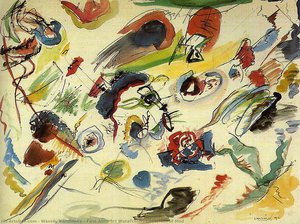
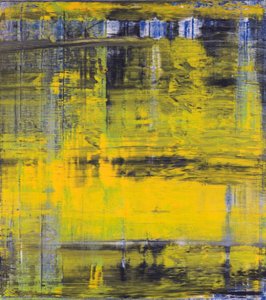
 Abstract Expressionism
 1998
1998 19.0 x 65.0 cm
Köp en högupplöst, förbättrad digital bild som är vida överlägsen förhandsvisningen online.
Varje fil är noggrant förberedd av våra interna specialister med hjälp av avancerade verktyg och professionell manuell retuschering. Vi säkerställer att varje bild har exceptionell skärpa, exakt färgåtergivning och fina detaljer.
Den slutgiltiga filen levereras via e-post inom 72 timmar, optimerad för omedelbar användning i professionella sammanhang, redaktionellt bruk och tryckmiljöer. Detta är samma kvalitet som med förtroende används av ledande designstudior, förlag och gallerier.
Ladda ner en högupplöst fil för personlig visning, utskrift och kreativa projekt. ( Köp tryck Köp handgjord målning)
När du väljer Most-Famous-Paintings.com får du inte bara en bild – du får ett professionellt förädlat digitalt konstverk, skapat med precision och med en garanterad tillfredsställelse. Här är allt som ingår i din beställning, automatiskt:

Din högupplösta digitala bild skickas till dig via e-post inom 72 timmar efter beställning – redo för omedelbar användning.

Ditt konstverk optimeras professionellt med hjälp av avancerade AI-verktyg och manuell redigering, vilket garanterar maximal detaljrikedom, skärpa och färgnoggrannhet.

Har du råkat radera eller tappa bort din fil? Ingen oro – vi skickar den kostnadsfritt till dig när som helst.

Njut av ditt konstverk omedelbart utan tull, importavgifter eller leveranskostnader – digitala nedladdningar är alltid skattefria.

Vi säkerställer att din digitala bild återger de ursprungliga färgerna så exakt som möjligt med hjälp av professionella verktyg och färghantering.

Om du inte är nöjd med din digitala bild kommer vi att revidera den eller återbetala 100% inom 60 dagar – utan frågor.

Inte nöjd? Få full återbetalning inom 60 dagar efter att du har tagit emot din digitala fil – utan frågor och diskussioner.

Köp 3 bilder, spara 10% – Köp 5, spara 15% – Köp 10+, spara 20%. Perfekt för kreativa projekt, gallerier och byråer.

Born Moishe Chagall in Vitebsk, Belarus, on July 7, 1887, Marc Chagall’s life was a vibrant tapestry woven from the threads of Russian Jewish heritage, Parisian artistic innovation, and deeply personal symbolism. His early years were marked by poverty and upheaval – his family moved frequently due to economic hardship and political instability. This itinerant existence instilled in him a profound appreciation for movement and change, themes that would become central to his art. His father, a herring merchant, provided a modest but grounding influence, while his mother’s love of literature and music nurtured his creative spirit. Chagall's artistic journey began modestly, with lessons from a local painter, Jehuda Pen, followed by brief stints in Saint Petersburg academies – experiences that exposed him to the burgeoning avant-garde movements taking shape across Europe.
The pivotal moment arrived in 1911 when he secured a grant to travel to Paris. This marked a dramatic shift in his artistic direction. Immersed in the energy of Montparnasse, he encountered the revolutionary ideas of Fauvism and Cubism, absorbing their bold colors and fragmented perspectives. He quickly established himself within a circle of influential artists – Delaunay, Léger, Soutine, Lipchitz, and writers like Apollinaire and Salmon – forging connections that would profoundly shape his artistic development. His early Parisian works, such as *Golgotha* (1912) and *Homage to Apollinaire* (1912-13), demonstrated a willingness to experiment with new techniques and subject matter, reflecting the dynamism of the era.
Following World War I, Chagall returned to Vitebsk, a city grappling with political turmoil. He married Bella Rosenfeld in 1914, a union that would endure for over fifty years and serve as his primary source of inspiration. Their life together was marked by both joy and tragedy – the birth of their daughter, Ida, followed by the devastating loss of Bella during the Russian Revolution. Despite these hardships, Chagall continued to produce an astonishing volume of work, exploring themes of faith, memory, and the complexities of human relationships. His paintings from this period—*Promenade*, *Over the Town*, and *Apparition*—are characterized by a distinctive style that blended elements of Cubism, Fauvism, and Russian folklore.
The tumultuous years following the Revolution saw Chagall navigating a complex political landscape. Initially supportive of the Bolshevik ideals, he quickly became disillusioned with their authoritarian tendencies. His outspoken criticism led to his dismissal from his positions at the Vitebsk Fine Arts School and as Commissioner of Fine Arts. Forced to flee Russia in 1922, he sought refuge in Berlin, where he found renewed recognition through the efforts of art dealer Ambroise Vollard. This period witnessed a shift towards greater emotional intensity and a deepening engagement with religious iconography.
Chagall’s return to Paris in 1923 marked a significant chapter in his artistic evolution. He established a studio in Montparnasse, surrounded by fellow artists and writers, and continued to develop his unique visual language. His work during this period—including the iconic *I and the Village* (1916-17)—became increasingly infused with personal symbolism, drawing upon Jewish mythology, folklore, and memories of his childhood in Vitebsk. The recurring motifs of water, flight, and family – particularly Bella – emerged as powerful symbols within his oeuvre.
The 1930s saw Chagall experimenting with printmaking, notably his *Miserere* series (1925-1937), a deeply moving exploration of human suffering and redemption. These lithographs, commissioned by Ambroise Vollard, are considered among the most significant works of his career, showcasing his mastery of line, composition, and emotional expression. During this time he also began to incorporate elements of Surrealism into his work, reflecting the growing influence of psychoanalytic theory.
Marc Chagall died in 1983 at the age of 96, leaving behind a vast and profoundly influential body of work. His paintings are celebrated for their vibrant colors, dreamlike imagery, and deeply personal symbolism. He remains one of the most beloved artists of the 20th century, admired for his ability to capture the essence of human experience with both grace and power. His art continues to resonate with audiences worldwide, inviting us to enter a world of imagination, faith, and enduring beauty. His work is held in major museums around the globe, including the Museum of Modern Art (MoMA) in New York, the Centre Pompidou in Paris, and the State Russian Museum in Saint Petersburg.

1914 - 2007


Håll dig uppdaterad med de senaste konstnyheterna, exklusiva erbjudanden och inredningsidéer.
Berätta om ditt projekt så kommer våra konstexperter att ge dig 3 personliga konstförslag.
Vi skapar ett urval av 3 alternativ helt anpassat för dig – gratis!


 Visa i rummet
 Skicka
 Dela
Dela
 Detaljer

 Ladda ner
 Liknande objekt
 Röntgen
 Bildspel
 Läs mer