x

Giclée- eller canvasprint av museumskvalitet med snabb produktion och flexibla ytbehandlingsalternativ. ( Beställ handmålad reproduktion Köp högupplöst bild)





























Välj bland våra förinställda storlekar som motsvarar konstverkets ursprungliga proportioner.

Du kan ange egna mått för att passa en specifik ram eller yta. Om det valda måttet inte överensstämmer med originalbildens proportioner kommer vi antingen att beskära konstverket eller utöka bilden med en speglad eller enfärgad kant. En digital mockup skickas för ditt godkännande innan produktionen påbörjas.
Vänligen notera att förhandsvisningen på skärmen inte återspeglar den faktiska beskärningen eller utökningen. Endast mockuppen visar den slutgiltiga kompositionen korrekt.
Även om anpassade storlekar är möjliga, rekommenderar vi att du väljer ett mått från den fördefinierade listan för att bevara de ursprungliga proportionerna.
Leverans över hela världen () på 2 veckor istället för standard 4/5 veckor. (14 augusti)


Ludorff
Storlek på reproduktion
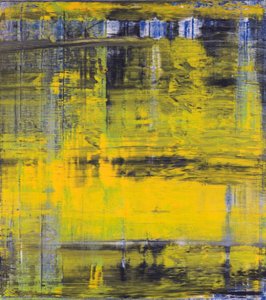
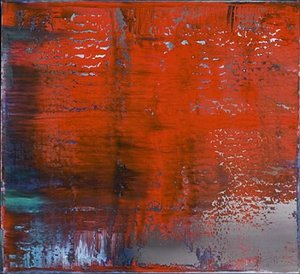
Gerhard Richter’s “Ludorff,” a striking abstract expressionist painting, presents an arresting visual experience—a seemingly simple arrangement of squares bursting with vibrant hues that belies a complex exploration of memory and perception. Created in 1968, this piece encapsulates the spirit of Richter's formative years amidst the turbulent backdrop of post-war Germany, mirroring his own internal struggle to reconcile idyllic recollections with the realities of division.
The painting's visual impact is undeniably captivating. However, its significance extends beyond mere aesthetic pleasure. Richter himself has described “Ludorff” as representing "a landscape of memory," reflecting his preoccupation with capturing fleeting impressions and reconstructing past experiences. The fragmented squares symbolize the fractured nature of recollection—the impossibility of perfectly recreating a moment in time—while simultaneously conveying a sense of openness and possibility.
Considered within the broader context of Richter’s oeuvre, “Ludorff” stands as a cornerstone of his exploration into photographic representation and its limitations. It exemplifies his commitment to confronting existential questions about identity and perception, mirroring the anxieties prevalent during the Cold War era. This artwork continues to inspire dialogue about art's role in conveying emotion and capturing the elusive essence of human experience.


1932 - , Tyskland

Discover the profound intersection of geometry and emotion in Cubist Expressionism. Explore art history through our expert analysis of modern masters and find museum-quality, hand-painted oil reproductions of iconic masterpieces for your collection.

Explore the profound impact of Minimalism and Geometric Abstraction. From Mondrian to Malevich, discover how stripping art to its essential forms revolutionized modern aesthetics through our expert-led historical guide.

Master the complexities of Geometric Abstraction. Our expert guide explores the evolution from Cubist deconstruction to Bauhaus precision, decoding the power of shape and form. Perfect for art students seeking deep historical context and academic insight into modern masterpieces.
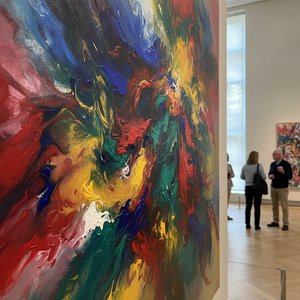
Explore the profound emotional depth of Lyrical Abstraction. Discover how masters like Raymond Parker used color and form to bridge Impressionism and Abstract Expressionism. Learn about this pivotal movement through our expert-led art history guide.


Håll dig uppdaterad med de senaste konstnyheterna, exklusiva erbjudanden och inredningsidéer.
Berätta om ditt projekt så kommer våra konstexperter att ge dig 3 personliga konstförslag.
Vi skapar ett urval av 3 alternativ helt anpassat för dig – gratis!


 Förhandsvisa
 Skicka
 Dela
Dela
 Visa detaljer

 Ladda ner
 Liknande objekt
 Röntgen
 Bildspel
 Visa mer







 Glasalternativet är endast tillgängligt i storlekar under 110 cm.