


x

 OilWallArtMannerism
 84.0 x 57.0 cm
 Bayerische Staatsgemäldesammlungen
Köp en högupplöst, förbättrad digital bild med betydligt högre kvalitet än förhandsvisningen online.
Varje fil är noggrant förberedd av våra interna specialister med hjälp av avancerade verktyg och professionell manuell retuschering. Vi säkerställer att varje bild har exceptionell skärpa, exakt färgåtergivning och fina detaljer.
Den slutgiltiga filen levereras via e-post inom 72 timmar, optimerad för omedelbar användning i professionella sammanhang, redaktionellt bruk och tryckmiljöer. Detta är samma kvalitet som med förtroende används av ledande designstudior, förlag och gallerier.
Ladda ner en högupplöst fil för personlig visning, utskrift och kreativa projekt. ( Beställ tryck Beställ handmålad reproduktion)
När du väljer Most-Famous-Paintings.com får du inte bara en bild – du får ett professionellt förädlat digitalt konstverk, skapat med precision och med en garanterad tillfredsställelse. Här är allt som ingår i din beställning, automatiskt:

Din högupplösta digitala bild skickas till dig via e-post inom 72 timmar efter beställning – redo för omedelbar användning.

Ditt konstverk optimeras professionellt med hjälp av avancerade AI-verktyg och manuell redigering, vilket garanterar maximal detaljrikedom, skärpa och färgnoggrannhet.

Har du råkat radera eller tappa bort din fil? Ingen oro – vi skickar den kostnadsfritt till dig när som helst.

Njut av ditt konstverk omedelbart utan tull, importavgifter eller leveranskostnader – digitala nedladdningar är alltid skattefria.

Vi säkerställer att din digitala bild återger de ursprungliga färgerna så exakt som möjligt med hjälp av professionella verktyg och färghantering.

Om du inte är nöjd med din digitala bild kommer vi att revidera den eller återbetala 100% inom 60 dagar – utan frågor.

Inte nöjd? Få full återbetalning inom 60 dagar efter att du har tagit emot din digitala fil – utan frågor och diskussioner.

Köp 3 bilder, spara 10% – Köp 5, spara 15% – Köp 10+, spara 20%. Perfekt för kreativa projekt, gallerier och byråer.
Giuseppe Arcimboldo’s “Winter,” painted circa 1563 and now residing within the Kunsthistorisches Museum in Vienna, isn’t merely a portrait; it’s an immersive allegory, a frozen tableau vivant constructed entirely from the bounty of nature. More than just a clever visual puzzle, this masterpiece embodies the Renaissance fascination with symbolism, classical mythology, and the cyclical rhythms of life and death – all rendered with a startlingly modern sensibility. Arcimboldo, already renowned for his inventive character portraits crafted from fruits, vegetables, and books, pushes the boundaries of representation here, transforming a human form into an evocative embodiment of winter’s stark beauty and inherent melancholy.
The central figure, often interpreted as a wizened old man or perhaps a spirit emerging from a rustic sack – rendered in rough, textured burlap – dominates the composition. His face is deeply etched with wrinkles, roots, and branches, a deliberate blurring of human and plant characteristics that speaks to the interconnectedness of all living things. The careful arrangement of elements—the vibrant oranges nestled beneath, the cascading vines and foliage framing his head—immediately evoke associations with fertility, abundance, and the promise of spring hidden within the heart of winter’s dormancy. The inclusion of these fruits isn't arbitrary; they are potent symbols of renewal and hope, subtly counterbalancing the somber tones of the overall scene.
Arcimboldo’s skill lies not just in his imaginative subject matter but also in his meticulous execution. “Winter” is a testament to the artist's mastery of oil painting, utilizing a technique that builds up layers of texture with painstaking detail. The chiaroscuro – the dramatic interplay of light and shadow – is particularly striking, emphasizing the rough surfaces of the fruits and vegetables while simultaneously creating an atmosphere of profound depth and mystery. The perspective is subtly distorted, lending the image a dreamlike quality, as if peering into a world both familiar and unsettlingly strange. The composition itself is carefully balanced, drawing the eye to the central figure while allowing the surrounding elements to contribute to the overall narrative.
Notice the deliberate use of color – predominantly browns, greens, and ochre—that evokes the muted palette of a winter landscape. These earthy tones are punctuated by the vibrant oranges, creating a compelling contrast that draws attention to their symbolic significance. The background remains deliberately dark and undefined, serving only to isolate the subject and heighten its presence within the scene. The overall effect is one of controlled chaos, where disparate elements coalesce into a cohesive and profoundly moving whole.
To fully appreciate “Winter,” it’s crucial to understand the context in which Arcimboldo worked – the vibrant intellectual climate of the late 16th century. The painting draws heavily on classical mythology, particularly the figure of Vertumnus, the Roman god of fertility, change, and seasons. Vertumnus was often depicted as a shapeshifter, embodying both the destructive and generative forces of nature. Arcimboldo’s portrait clearly echoes this mythological archetype, suggesting that the central figure is not merely a representation of winter but also a manifestation of the cyclical processes of life, death, and rebirth.
Furthermore, the Renaissance fascination with allegory – the use of symbolic imagery to convey deeper meanings – played a significant role in Arcimboldo’s artistic practice. His portraits were often intended as visual riddles, challenging viewers to decipher their hidden messages. “Winter,” like many of his other works, invites contemplation on themes such as mortality, time, and the relationship between humanity and nature. The painting's ambiguity—the figure’s expression open to interpretation—further enhances its symbolic power.
Despite its historical context, “Winter” continues to resonate with viewers today due to its arresting imagery and profound emotional impact. There is a palpable sense of melancholy woven into the fabric of the painting – a quiet acknowledgement of winter’s stark beauty and inherent sadness. Yet, amidst this somber mood, there's also an underlying current of hope, symbolized by the vibrant oranges and the promise of spring. Arcimboldo’s ability to evoke such complex emotions through seemingly simple objects is a testament to his artistic genius.
Reproductions of “Winter” offer a remarkable opportunity to experience this masterpiece firsthand, allowing us to appreciate Arcimboldo's extraordinary skill and imaginative vision. Whether displayed in a grand salon or a cozy corner, this painting serves as a timeless reminder of the beauty and mystery of the natural world – and the enduring power of art to capture its essence.

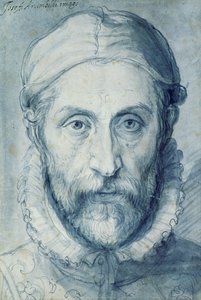
1527 - 1593 , Italien


Håll dig uppdaterad med de senaste konstnyheterna, exklusiva erbjudanden och inredningsidéer.
Berätta om ditt projekt så kommer våra konstexperter att ge dig 3 personliga konstförslag.
Vi skapar ett urval av 3 alternativ helt anpassat för dig – gratis!


 Förhandsvisa
 Skicka
 Dela
Dela
 Visa detaljer

 Ladda ner
 Liknande objekt
 Röntgen
 Bildspel
 Visa mer


