x

Giclée- eller canvasprint av museumskvalitet med snabb produktion och flexibla ytbehandlingsalternativ. ( Beställ handmålad reproduktion Köp högupplöst bild)





























Välj bland våra förinställda storlekar som motsvarar konstverkets ursprungliga proportioner.

Du kan ange egna mått för att passa en specifik ram eller yta. Om det valda måttet inte överensstämmer med originalbildens proportioner kommer vi antingen att beskära konstverket eller utöka bilden med en speglad eller enfärgad kant. En digital mockup skickas för ditt godkännande innan produktionen påbörjas.
Vänligen notera att förhandsvisningen på skärmen inte återspeglar den faktiska beskärningen eller utökningen. Endast mockuppen visar den slutgiltiga kompositionen korrekt.
Även om anpassade storlekar är möjliga, rekommenderar vi att du väljer ett mått från den fördefinierade listan för att bevara de ursprungliga proportionerna.
Leverans över hela världen () på 2 veckor istället för standard 4/5 veckor. (15 augusti)


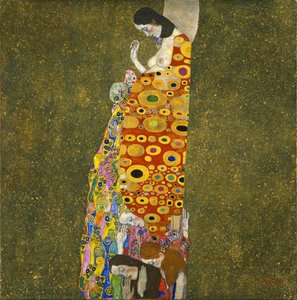
Ballerina
Storlek på reproduktion
Gustav Klimt’s “Ballerina” transcends mere representation; it embodies a profound exploration of femininity, artistry, and the ephemeral nature of beauty. Completed in 1916-17 during Klimt's celebrated “Golden Phase,” this monumental canvas captures a ballerina poised with captivating poise—a figure simultaneously vulnerable and resolute—within an opulent tapestry of blossoms that speaks volumes about Art Nouveau’s fascination with organic forms and decorative splendor.
More than just ornamentation, the swirling arrangement of roses, lilies, and other blossoms serves as a conduit for symbolic meaning. Traditionally associated with love, purity, and rebirth, these flowers encapsulate themes central to Art Nouveau's spiritual ethos—a yearning for transcendence and an appreciation of nature’s transformative power. Klimt skillfully utilizes floral motifs to heighten the painting’s emotional resonance, suggesting that beauty itself is fleeting yet eternally significant.
Klimt's masterful technique—primarily oil paint applied in multiple glazes and textured impasto—represents a pivotal moment in artistic history. He seamlessly blends elements of Symbolism with Byzantine influences, mirroring the grandeur and spiritual contemplation found in Orthodox iconography. This fusion results in an aesthetic that prioritizes decorative impressionism: capturing fleeting moments of light and color while simultaneously constructing intricate patterns and textures that engage the viewer’s senses on a visceral level.
"Ballerina" stands as a testament to Klimt's unparalleled ability to fuse artistic innovation with emotional depth. Its enduring appeal lies in its evocative portrayal of feminine grace and beauty—a celebration of artistry that continues to inspire collectors and interior designers alike. The painting’s luminous surface, combined with its symbolic richness, invites contemplation on themes of life, death, and the transformative power of art itself.

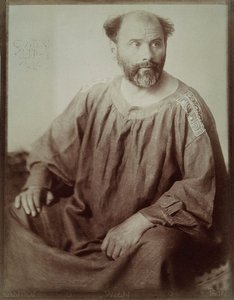
1862 - 1918 , Österrike

Explore the profound impact of the Vienna Secession movement. Discover how visionaries like Gustav Klimt revolutionized modern art through symbolism, gold leaf, and the concept of Gesamtkunstwerk in this expert-led historical guide.


Håll dig uppdaterad med de senaste konstnyheterna, exklusiva erbjudanden och inredningsidéer.
Berätta om ditt projekt så kommer våra konstexperter att ge dig 3 personliga konstförslag.
Vi skapar ett urval av 3 alternativ helt anpassat för dig – gratis!


 Förhandsvisa
 Skicka
 Dela
Dela
 Visa detaljer

 Ladda ner
 Liknande objekt
 Röntgen
 Bildspel
 Visa mer







 Glasalternativet är endast tillgängligt i storlekar under 110 cm.