x

Giclée- eller canvasprint av museumskvalitet med snabb produktion och flexibla ytbehandlingsalternativ. ( Beställ handmålad reproduktion Köp högupplöst bild)





























Välj bland våra förinställda storlekar som motsvarar konstverkets ursprungliga proportioner.

Du kan ange egna mått för att passa en specifik ram eller yta. Om det valda måttet inte överensstämmer med originalbildens proportioner kommer vi antingen att beskära konstverket eller utöka bilden med en speglad eller enfärgad kant. En digital mockup skickas för ditt godkännande innan produktionen påbörjas.
Vänligen notera att förhandsvisningen på skärmen inte återspeglar den faktiska beskärningen eller utökningen. Endast mockuppen visar den slutgiltiga kompositionen korrekt.
Även om anpassade storlekar är möjliga, rekommenderar vi att du väljer ett mått från den fördefinierade listan för att bevara de ursprungliga proportionerna.
Leverans över hela världen () på 2 veckor istället för standard 4/5 veckor. (21 augusti)


Youth
Storlek på reproduktion
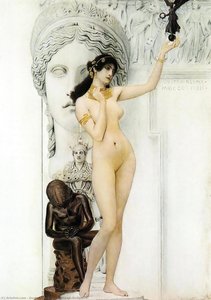
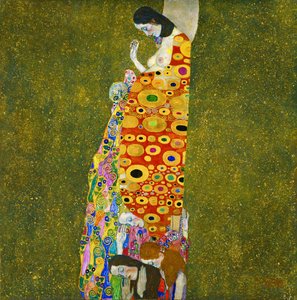
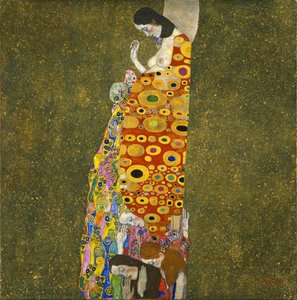
Gustav Klimt’s “Youth,” completed in 1882, stands as a cornerstone of Viennese Secessionist art—a movement that irrevocably challenged the conventions of academic painting and ushered in an era of bold experimentation. This striking monochrome drawing captures a moment frozen in time: two women positioned before a monumental statue, embodying idealized femininity and intellectual contemplation.
“Youth” emerged during a period of profound intellectual ferment in Vienna—the Austro-Hungarian Empire was grappling with rapid industrialization and social change. Klimt’s Secessionists rejected the rigid hierarchies of academic art, advocating for artistic freedom and embracing influences from Byzantine mosaics and Celtic ornamentation. This stylistic rebellion signaled a decisive break from tradition, establishing Klimt as a pivotal figure in shaping the visual landscape of the late nineteenth century.
The pervasive use of floral motifs throughout “Youth” speaks volumes about Klimt’s preoccupation with symbolism. Flowers represent rebirth, purity, and divine grace—concepts deeply rooted in Christian iconography but reimagined through a distinctly pagan lens. The statue before which the women stand symbolizes strength and permanence, juxtaposed against the vulnerability embodied by the infant child. This deliberate contrast underscores Klimt's exploration of duality—the interplay between masculine and feminine energies, earthly existence and spiritual aspiration.
"Youth" transcends mere representation; it aspires to capture a state of profound emotional depth. Klimt’s masterful draughtsmanship conveys an aura of serenity and contemplation, inviting viewers to contemplate the beauty of innocence and the promise of artistic creativity. The drawing's understated elegance—its deliberate avoidance of flamboyant ornamentation—further enhances its impact, leaving behind a lasting impression of timeless grace and intellectual curiosity.

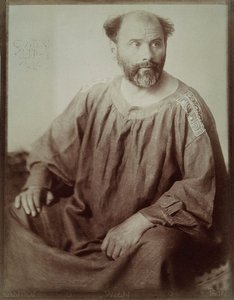
1862 - 1918 , Österrike

Explore the profound impact of the Vienna Secession movement. Discover how visionaries like Gustav Klimt revolutionized modern art through symbolism, gold leaf, and the concept of Gesamtkunstwerk in this expert-led historical guide.


Håll dig uppdaterad med de senaste konstnyheterna, exklusiva erbjudanden och inredningsidéer.
Berätta om ditt projekt så kommer våra konstexperter att ge dig 3 personliga konstförslag.
Vi skapar ett urval av 3 alternativ helt anpassat för dig – gratis!


 Förhandsvisa
 Skicka
 Dela
Dela
 Visa detaljer

 Ladda ner
 Liknande objekt
 Röntgen
 Bildspel


 Visa mer







 Glasalternativet är endast tillgängligt i storlekar under 110 cm.