x

Köp en högupplöst, förbättrad digital bild med betydligt högre kvalitet än förhandsvisningen online.
Varje fil är noggrant förberedd av våra interna specialister med hjälp av avancerade verktyg och professionell manuell retuschering. Vi säkerställer att varje bild har exceptionell skärpa, exakt färgåtergivning och fina detaljer.
Den slutgiltiga filen levereras via e-post inom 72 timmar, optimerad för omedelbar användning i professionella sammanhang, redaktionellt bruk och tryckmiljöer. Detta är samma kvalitet som med förtroende används av ledande designstudior, förlag och gallerier.
Ladda ner en högupplöst fil för personlig visning, utskrift och kreativa projekt. ( Beställ tryck Beställ handmålad reproduktion)
När du väljer Most-Famous-Paintings.com får du inte bara en bild – du får ett professionellt förädlat digitalt konstverk, skapat med precision och med en garanterad tillfredsställelse. Här är allt som ingår i din beställning, automatiskt:

Din högupplösta digitala bild skickas till dig via e-post inom 72 timmar efter beställning – redo för omedelbar användning.

Ditt konstverk optimeras professionellt med hjälp av avancerade AI-verktyg och manuell redigering, vilket garanterar maximal detaljrikedom, skärpa och färgnoggrannhet.

Har du råkat radera eller tappa bort din fil? Ingen oro – vi skickar den kostnadsfritt till dig när som helst.

Njut av ditt konstverk omedelbart utan tull, importavgifter eller leveranskostnader – digitala nedladdningar är alltid skattefria.

Vi säkerställer att din digitala bild återger de ursprungliga färgerna så exakt som möjligt med hjälp av professionella verktyg och färghantering.

Om du inte är nöjd med din digitala bild kommer vi att revidera den eller återbetala 100% inom 60 dagar – utan frågor.

Inte nöjd? Få full återbetalning inom 60 dagar efter att du har tagit emot din digitala fil – utan frågor och diskussioner.

Köp 3 bilder, spara 10% – Köp 5, spara 15% – Köp 10+, spara 20%. Perfekt för kreativa projekt, gallerier och byråer.
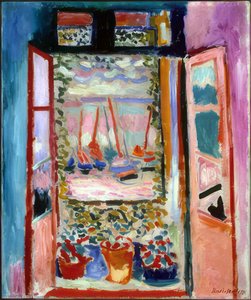
Henri Matisse's "The Studio under the Eaves," painted around 1903, isn’t merely a depiction of an artist’s workspace; it’s a profound meditation on creativity, solitude, and the very essence of artistic struggle. This intimate scene, rendered in the heart of Matisse’s early career, offers a rare and compelling window into the mind of a master grappling with his own artistic identity. The painting immediately draws the viewer inward, enveloped by a carefully orchestrated interplay of light, shadow, and color – elements that speak volumes about Matisse's evolving style and deeply personal experiences.
The composition is deceptively simple yet remarkably effective. A central vertical axis, defined by the window frame and the easel, anchors the eye, leading it towards the warm, inviting glow emanating from within. The room itself feels both familiar and slightly unsettling – a small, almost claustrophobic space dominated by dark tones and the suggestion of hidden depths. The use of angular lines in the window and easel contrasts subtly with the softer, more blended brushstrokes that define the walls and shadows, creating a dynamic tension between structure and atmosphere. Geometric shapes—rectangles for the table and box, triangles for the easel—are employed deliberately, grounding the scene while simultaneously hinting at an underlying order beneath the apparent chaos.
Matisse’s masterful manipulation of color is undoubtedly the painting's most striking feature. The palette is predominantly earthy – ochres, browns, and muted greens—but punctuated by vibrant splashes of orange light spilling from the window. This dramatic contrast isn’t simply decorative; it represents a crucial symbolic element. The light symbolizes inspiration, a connection to the outside world, and perhaps even hope amidst the artist's personal difficulties at the time. The darkness surrounding the light suggests introspection, the challenges inherent in artistic creation, and the isolation that often accompanies it. Notice how Matisse uses impasto – thick application of paint – particularly around the edges of objects and within the shadowed areas, adding a tactile quality to the canvas and intensifying the sense of depth.
The historical context surrounding “The Studio under the Eaves” is deeply intertwined with Matisse's personal life. Painted in 1903, during a period of significant upheaval for the artist – marked by financial struggles and professional setbacks – the painting reflects his emotional state. As documented in numerous sources, including audio recordings from MoMA and scholarly articles, Matisse was experiencing a profound crisis of confidence after returning to his hometown of Bohain-en-Vermandois following a failed attempt at establishing himself in Paris. The bleakness of the studio, the simple furnishings, and the solitary figure (implied by the easel) all speak to this sense of isolation and uncertainty. The letter he wrote to his friend Bussy reveals a deep despair and a questioning of his artistic direction – feelings that are powerfully conveyed through the painting’s somber mood.
“The Studio under the Eaves” is considered a pivotal work in Matisse's development, marking a transition towards Fauvism. While retaining elements of Realism in its depiction of space and form, the painting showcases Matisse’s growing emphasis on color as an expressive element—a characteristic that would define his later work. The bold, non-naturalistic colors, combined with simplified forms and flattened perspective, foreshadowed the radical departure from traditional artistic conventions that would characterize Fauvism. This piece demonstrates how Matisse wasn't simply painting a room; he was exploring the emotional landscape of an artist confronting his own limitations and searching for renewed inspiration.


1869 - 1954 , Frankrike


Håll dig uppdaterad med de senaste konstnyheterna, exklusiva erbjudanden och inredningsidéer.
Berätta om ditt projekt så kommer våra konstexperter att ge dig 3 personliga konstförslag.
Vi skapar ett urval av 3 alternativ helt anpassat för dig – gratis!


 Förhandsvisa
 Skicka
 Dela
Dela
 Visa detaljer

 Ladda ner
 Liknande objekt
 Röntgen
 Bildspel

 Visa mer