x

 Köp tryck Köp högupplöst digital bild
 Skicka
 Visa detaljer
 Lägg till i favoriter
 Ladda ner
 Liknande objekt
 Röntgen
 Bildspel
 AcrylicWallArtNorthern Renaissance
 Early Medieval
 285.0 x 205.0 cm
 Graphische Sammlung Albertina
Handmålad olja på duk i din valda storlek och ram, tillverkad efter beställning av våra konstnärer.





























Välj bland våra förinställda storlekar som motsvarar konstverkets ursprungliga proportioner.

Du kan ange egna mått för att passa en specifik ram eller yta. Om den valda storleken inte matchar originalbildens proportioner kommer vi antingen att beskära konstverket eller utöka målningen med ytterligare handmålade element. En digital skiss skickas till dig för godkännande innan produktionen påbörjas.
Observera att förhandsvisningen på skärmen inte återspeglar den faktiska beskärningen eller utökningen. Endast skissen visar den slutgiltiga kompositionen korrekt.
Även om anpassade storlekar är möjliga, rekommenderar vi att du väljer en dimension från den fördefinierade listan för att bevara originalproportionerna.
Leverans över hela världen () på 3–4 veckor istället för standard 5 veckor. (18 juli). Inga kompromisser med kvaliteten.


Beggars
Storlek på reproduktion
Hieronymus Bosch's "Beggars," a meticulously rendered pen and ink drawing, isn’t merely a depiction of poverty; it’s a profound meditation on human nature, steeped in the anxieties and moral complexities of late medieval Europe. Created around 1500, this work transcends its subject matter to become a haunting allegory, reflecting Bosch's signature blend of meticulous realism with fantastical and unsettling imagery—a visual vocabulary that continues to captivate and disturb centuries later. The drawing’s stark monochrome palette – shades of gray and white – immediately establishes an atmosphere of solemnity and unease, mirroring the hardship depicted within its crowded composition. It’s a scene not of simple charity, but of a deeper, more unsettling truth about societal structures and human vulnerability.
Bosch's genius lies in his ability to imbue everyday subjects with symbolic weight. The figures sprawled across the frame—beggars, crippled individuals, and those seemingly lost in contemplation—are not simply portraits of the destitute; they represent a broader critique of societal failings. The sheer density of the scene, achieved through overlapping forms and intricate hatching techniques, creates a claustrophobic effect, mirroring the feeling of entrapment experienced by these marginalized members of society. The lack of a clear focal point forces the viewer to confront the multitude of sorrows represented, demanding an active engagement with the artwork’s unsettling narrative.
“Beggars” is a testament to Bosch's extraordinary technical skill. The work is dominated by fine, precise lines—a hallmark of his meticulous penmanship. Bosch masterfully employs hatching and cross-hatching techniques to build up tonal values and define the forms of the figures with remarkable detail. This painstaking process creates an illusion of texture and volume, giving a tangible quality to the seemingly frail bodies depicted. The varying pressure applied to the quill results in subtle shifts in tone, mimicking the play of light and shadow—a sophisticated technique that elevates the drawing beyond simple representation.
The choice of pen and paper is crucial to understanding the artwork’s character. The delicate lines evoke a sense of fragility and vulnerability, mirroring the plight of the subjects depicted. The stark contrast between the dark ink and the white paper creates an almost theatrical effect, emphasizing the figures' isolation and despair. It’s a deliberate choice that underscores the drawing’s emotional intensity.
As with much of Bosch’s oeuvre, “Beggars” is laden with symbolic meaning—though its precise interpretations remain open to debate. The figures themselves can be seen as representations of sin, temptation, or the consequences of moral decay. The presence of animals – a recurring motif in Bosch's work – adds another layer of complexity, suggesting a blurring of boundaries between humanity and the natural world. Some scholars have linked the scene to biblical narratives of judgment and punishment, while others interpret it as a commentary on the social injustices prevalent during Bosch’s time.
The overall effect is profoundly unsettling—a visual representation of human suffering and the potential for corruption within society. “Beggars” isn't simply a depiction of poverty; it’s an invitation to confront uncomfortable truths about ourselves and the world around us, a timeless reminder of the enduring challenges faced by those on the margins of society.
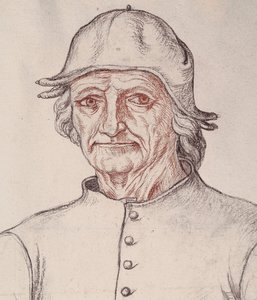
1450 - 1516 , Nederländerna

Explore the captivating world of Hieronymus Bosch! Delve into the symbolism, religious context, and artistic innovation of this Netherlandish master with Most-Famous-Paintings's expert analysis. Discover his iconic paintings & lasting influence.
Utforska Hieronymus Boschs 25 mest ikoniska målningar! Fördjupa dig i symbolik, flamländsk renässans & fantasikonst. Hitta konsttryck och inspiration för ditt hem på Most-Famous-Paintings.com.

Utforska nordrenässansens 10 mest inflytelserika mästerverk! Lär känna Jan van Eyck, Dürer & Holbein. Upptäck symboliken och tekniken bakom tidlösa tavlor. Köp reproduktioner av högsta kvalitet på Most-Famous-Paintings.com.

Explore the rich world of art symbolism! Uncover hidden meanings in masterpieces from Renaissance allegories to modern movements. A comprehensive guide for enthusiasts & collectors.

Explore the artistic innovation of the German Renaissance! Discover Dürer, the Danube School & Reformation art. Learn about techniques, materials & lasting influence. Find museum-quality reproductions at Most-Famous-Paintings.


Håll dig uppdaterad med de senaste konstnyheterna, exklusiva erbjudanden och inredningsidéer.
Berätta om ditt projekt så kommer våra konstexperter att ge dig 3 personliga konstförslag.
Vi skapar ett urval av 3 alternativ helt anpassat för dig – gratis!


 Dela
Dela

 Visa mer







 Glasalternativet är endast tillgängligt i storlekar under 110 cm.