


x
 801
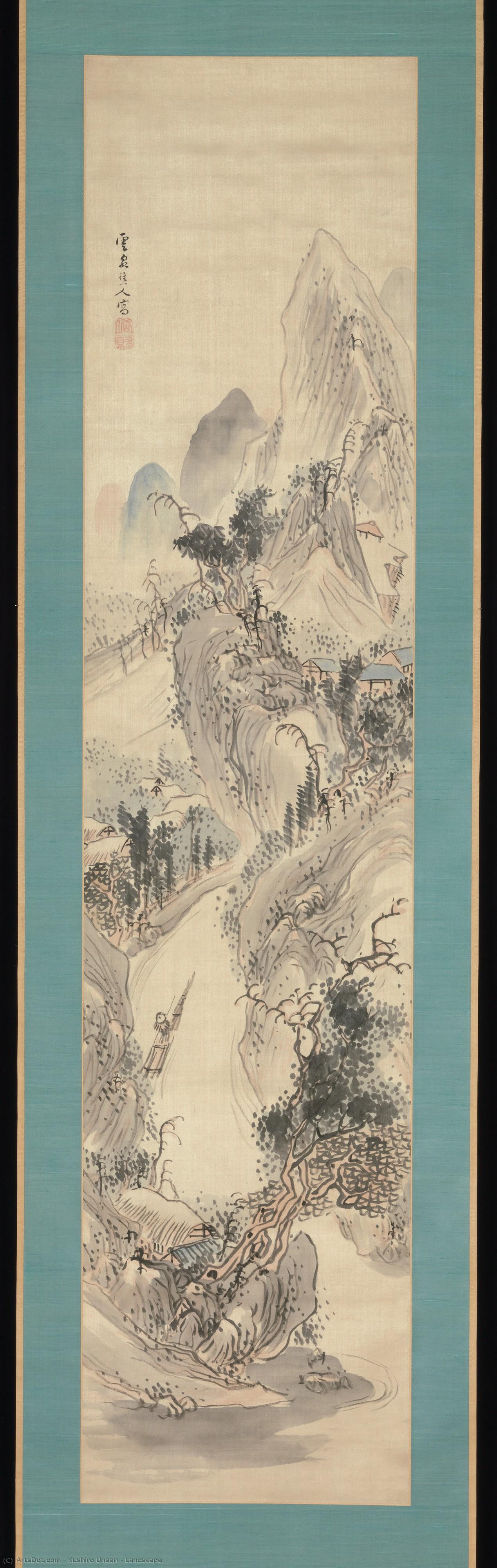
801 148.0cm x 34.0cm
Köp en högupplöst, förbättrad digital bild med betydligt högre kvalitet än förhandsvisningen online.
Varje fil är noggrant förberedd av våra interna specialister med hjälp av avancerade verktyg och professionell manuell retuschering. Vi säkerställer att varje bild har exceptionell skärpa, exakt färgåtergivning och fina detaljer.
Den slutgiltiga filen levereras via e-post inom 72 timmar, optimerad för omedelbar användning i professionella sammanhang, redaktionellt bruk och tryckmiljöer. Detta är samma kvalitet som med förtroende används av ledande designstudior, förlag och gallerier.
Ladda ner en högupplöst fil för personlig visning, utskrift och kreativa projekt. ( Beställ tryck Beställ handmålad reproduktion)
När du väljer Most-Famous-Paintings.com får du inte bara en bild – du får ett professionellt förädlat digitalt konstverk, skapat med precision och med en garanterad tillfredsställelse. Här är allt som ingår i din beställning, automatiskt:

Din högupplösta digitala bild skickas till dig via e-post inom 72 timmar efter beställning – redo för omedelbar användning.

Ditt konstverk optimeras professionellt med hjälp av avancerade AI-verktyg och manuell redigering, vilket garanterar maximal detaljrikedom, skärpa och färgnoggrannhet.

Har du råkat radera eller tappa bort din fil? Ingen oro – vi skickar den kostnadsfritt till dig när som helst.

Njut av ditt konstverk omedelbart utan tull, importavgifter eller leveranskostnader – digitala nedladdningar är alltid skattefria.

Vi säkerställer att din digitala bild återger de ursprungliga färgerna så exakt som möjligt med hjälp av professionella verktyg och färghantering.

Om du inte är nöjd med din digitala bild kommer vi att revidera den eller återbetala 100% inom 60 dagar – utan frågor.

Inte nöjd? Få full återbetalning inom 60 dagar efter att du har tagit emot din digitala fil – utan frågor och diskussioner.

Köp 3 bilder, spara 10% – Köp 5, spara 15% – Köp 10+, spara 20%. Perfekt för kreativa projekt, gallerier och byråer.
Kushiro Unsen (釧雲泉, 1759 – 1811) stands as a singular figure in Japanese landscape painting, embodying the aesthetic ideals of Edo-period Japan—a period marked by social stratification, political intrigue, and burgeoning commercial activity. Unlike many artists of his era who sought patronage from powerful clans or focused on grand historical narratives, Unsen cultivated a deeply personal style rooted in Zen Buddhism and characterized by an unparalleled sensitivity to atmospheric conditions. Born in the vibrant port city of Nagasaki, Unsen’s early life was shaped by the unique atmosphere of Japan’s gateway to the world. Here, amidst the influx of foreign goods and ideas, he studied painting and Chinese alongside merchants visiting from the mainland, absorbing techniques that emphasized subtle tonal gradations and meticulous brushwork—a hallmark of Ming Dynasty landscape art.
Unsen’s artistic philosophy was profoundly anchored in his devotion to Zen Buddhism. He believed that true beauty resided in capturing the essence of nature—its impermanence and interconnectedness—rather than merely reproducing its outward appearance. This conviction fueled his relentless pursuit of achieving wu wei, or effortless action, mirroring the Buddhist ideal of aligning oneself with the natural flow of existence. His work often serves as a symbolic escape from the complexities of urban life, offering a window into a world of untouched grandeur and spiritual solitude. Through his eyes, a mountain was not just stone and earth, but a vessel for contemplation, and a waterfall was a rhythmic pulse of the universe itself.
The distinctive style of Kushiro Unsen is instantly recognizable by its masterful use of atmospheric perspective. He possessed a rare ability to manipulate mist and haze to create an incredible sense of depth and luminosity within his compositions. His technique often involved a delicate layering process, where thin, ethereal washes of gray and pale earth tones were contrasted against sharp, angular strokes that defined rugged rock formations or ancient pine trees. This interplay between the soft and the structured allowed him to evoke a sense of space that felt both vast and intimately connected to the viewer.
In his most celebrated works, such as Viewing a Waterfall, Unsen utilizes a rapid, repetitive, and sometimes eccentric brushwork that draws inspiration from the Yuan-dynasty literati painters. This expressive approach allows the landscape to feel alive, as if the very air is moving across the paper. His ability to capture specific seasonal moods—such as the coolness of summer vines or the crispness of autumn air—demonstrates a technical precision that transcends mere imitation. By integrating original Chinese verse into his compositions, he further bridged the gap between visual art and literary expression, creating a multi-sensified experience for the scholar-observer.
As a late Edo period literati artist, Unsen’s significance lies in his ability to synthesize diverse influences into a cohesive, uniquely Japanese voice. While his foundations were built upon Chinese landscape traditions, his execution was deeply colored by the specific cultural nuances of his time and place. His travels throughout Japan allowed him to establish friendships with many famous intellectuals, further embedding his work within the scholarly circles of the era. His paintings, such as Lone Angler in Autumn, continue to resonate because they touch upon universal themes of solitude, nature, and the human spirit.
Today, the works of Kushiro Unsen are preserved in prestigious institutions like the Tokyo National Museum and The Metropolitan Museum of Art, serving as vital links to the artistic soul of the 18th and 19th centuries. His legacy is defined by:

1759 - 1811 , Japan


Håll dig uppdaterad med de senaste konstnyheterna, exklusiva erbjudanden och inredningsidéer.
Berätta om ditt projekt så kommer våra konstexperter att ge dig 3 personliga konstförslag.
Vi skapar ett urval av 3 alternativ helt anpassat för dig – gratis!


 Förhandsvisa
 Skicka
 Dela
Dela
 Visa detaljer

 Ladda ner
 Liknande objekt
 Röntgen
 Bildspel
 Visa mer