x

 Oil On CanvasWallArtEarly Modernism
 1933Modern
 90.0 x 70.0 cm
Handmålad olja på duk i din valda storlek och ram, tillverkad efter beställning av våra konstnärer. ( Beställ tryck Köp högupplöst bild)





























Välj bland våra förinställda storlekar som motsvarar konstverkets ursprungliga proportioner.

Du kan ange egna mått för att passa en specifik ram eller yta. Om den valda storleken inte matchar originalbildens proportioner kommer vi antingen att beskära konstverket eller utöka målningen med ytterligare handmålade element. En digital skiss skickas till dig för godkännande innan produktionen påbörjas.
Observera att förhandsvisningen på skärmen inte återspeglar den faktiska beskärningen eller utökningen. Endast skissen visar den slutgiltiga kompositionen korrekt.
Även om anpassade storlekar är möjliga, rekommenderar vi att du väljer en dimension från den fördefinierade listan för att bevara originalproportionerna.
Leverans över hela världen () på 3–4 veckor istället för standard 5 veckor. (19 augusti). Inga kompromisser med kvaliteten.


Man Smoking
Storlek på reproduktion
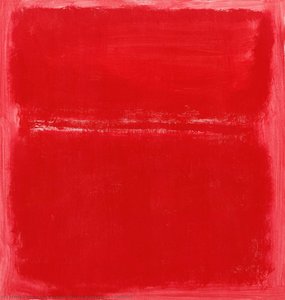
In the annals of modern art, few names evoke as much profound emotion as Mark Rothko. While many remember him for his towering, luminous color fields that define Abstract Expressionism, his earlier works offer a hauntingly beautiful window into a more figurative, yet equally spiritual, era of his development. His 1933 masterpiece, Man Smoking, serves as a poignant testament to this formative period. This painting is not merely a depiction of figures; it is an exploration of the human condition, captured through a lens of early modernism and deep-seated Expressionist influence. To encounter this work is to step into a space of quiet introspection, where the boundaries between the physical subject and the emotional atmosphere begin to dissolve.
The composition of Man Smoking establishes an immediate sense of stillness. Though the title suggests a singular, perhaps casual action, the visual reality presents a much more intimate and tender scene: a woman cradling a baby. Positioned slightly off-center within a vertical orientation, this central duo creates a subtle dynamic tension that draws the viewer into their private world. In the soft shadows of the background, two other indistinct figures linger, providing a sense of depth and suggesting a larger, perhaps more complex, domestic or social narrative. This arrangement avoids rigid symmetry, opting instead for an organic flow that mirrors the unpredictable nature of memory and emotion.
Rothko’s mastery in this period lies in his ability to use color as a direct conduit to the subconscious. Eschewing vibrant or aggressive hues, he employs a restrained, earthy palette dominated by deep reds, somber browns, muted greens, and aged yellows. These colors do not sit atop one another; rather, they bleed and merge through a meticulous technique of layering thin, translucent washes. This method creates an ethereal, almost luminous quality, where the light seems to emanate from within the canvas itself. The brushstrokes are so subtle as to be nearly imperceptible, leaving behind a surface that feels smooth yet textured with the weight of accumulated layers.
This technique is essential to the painting's emotional impact. By softening edges and blurring forms, Rothko moves away from photographic accuracy toward an essence of being. The figures are rendered as masses of color and light rather than sharply defined anatomical studies. This approach allows the viewer to project their own feelings onto the canvas, making the artwork a deeply personal experience. For the collector or interior designer, this quality makes the piece incredibly versatile; it possesses a quiet gravity that can anchor a room, providing a focal point that invites contemplation without demanding attention through sheer loudness.
To truly appreciate Man Smoking, one must consider the historical and personal context of its creator. Born in Latvia as Markus Rothkowitz, Rothko’s early life was shaped by the anxieties of displacement and the cultural upheavities of a Jewish family navigating the Pale of Settlement. This sense of vulnerability and the search for stability are woven into the very fabric of the painting. The themes of maternal protection and familial connection seen in the central figures act as a counterpoint to the underlying tones of melancholy and solitude that permeate the work.
The intriguing discrepancy between the title and the visual subject—the absence of a visible man smoking—adds a layer of symbolic mystery. It invites the viewer to look beyond the literal, suggesting that the "smoking" might be a metaphor for a fleeting moment of contemplation or a lingering shadow of an absent presence. This ambiguity is where the true power of the piece resides. For those seeking to adorn their spaces with art that possesses intellectual depth and emotional resonance, a high-quality reproduction of this Rothko masterpiece offers more than just decoration; it offers a portal into the enduring human struggle for meaning amidst the shadows of existence.
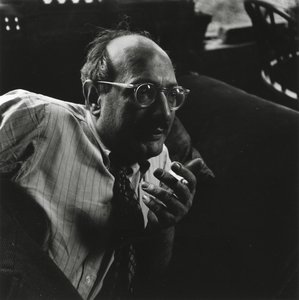
1903 - 1970 , Lettland

Explore the profound emotional depth of Color Field painting. Discover the history of mid-century abstraction, from Rothko to Newman, and learn how pure color transforms the viewer's experience through our expert art history guide.

Explore the profound emotional depth of Color Field painting. Our expert guide delves into the post-war origins of Abstract Expressionism, analyzing masterpieces by Rothko and Newman. Discover museum-grade, hand-painted oil reproductions that bring art history to your walls.

Explore the profound history and emotional depth of Color Field painting. From Mark Rothko to Barnett Newman, discover how pure color redefined modern art through our expert-led guide for students and collectors alike.

Explore the profound history and emotional depth of Abstract Expressionism. From Jackson Pollock to Mark Rothko, master the nuances of the New York School through our expert art history guide. Discover museum-quality hand-painted reproductions for your collection.
Explore the profound emotional depth of Lyrical Abstraction. Discover how masters like Raymond Parker used color and form to bridge Impressionism and Abstract Expressionism. Learn about this pivotal movement through our expert-led art history guide.


Håll dig uppdaterad med de senaste konstnyheterna, exklusiva erbjudanden och inredningsidéer.
Berätta om ditt projekt så kommer våra konstexperter att ge dig 3 personliga konstförslag.
Vi skapar ett urval av 3 alternativ helt anpassat för dig – gratis!


 Förhandsvisa
 Skicka
 Dela
Dela
 Visa detaljer

 Ladda ner
 Liknande objekt
 Röntgen
 Bildspel
 Visa mer







 Glasalternativet är endast tillgängligt i storlekar under 110 cm.