x

Giclée- eller canvasprint av museumskvalitet med snabb produktion och flexibla ytbehandlingsalternativ. ( Beställ handmålad reproduktion Köp högupplöst bild)





























Välj bland våra förinställda storlekar som motsvarar konstverkets ursprungliga proportioner.

Du kan ange egna mått för att passa en specifik ram eller yta. Om det valda måttet inte överensstämmer med originalbildens proportioner kommer vi antingen att beskära konstverket eller utöka bilden med en speglad eller enfärgad kant. En digital mockup skickas för ditt godkännande innan produktionen påbörjas.
Vänligen notera att förhandsvisningen på skärmen inte återspeglar den faktiska beskärningen eller utökningen. Endast mockuppen visar den slutgiltiga kompositionen korrekt.
Även om anpassade storlekar är möjliga, rekommenderar vi att du väljer ett mått från den fördefinierade listan för att bevara de ursprungliga proportionerna.
Leverans över hela världen () på 2 veckor istället för standard 4/5 veckor. (20 augusti)


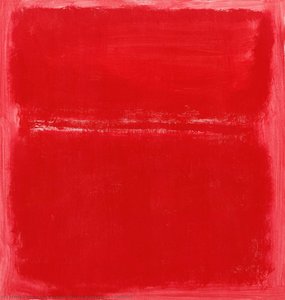
Purple Brown
Storlek på reproduktion
“Purple Brown,” created in 1957 by Mark Rothko, is more than just an abstract painting; it's a profound exploration of human emotion rendered through the deliberate layering of color. This piece exemplifies Rothko’s mastery of the Color Field style, a movement that sought to evoke spiritual and emotional responses directly from the viewer through vast expanses of pigment. The image itself – a close-up revealing a large square dominated by deep purple and warm brown squares – immediately draws the eye into its carefully constructed depths. The subtle variations within each shade of brown, meticulously applied, create a sense of movement and texture that invites prolonged contemplation.
Rothko’s technique was characterized by his use of thin washes of oil paint, often applied in rhythmic layers. This process, known as ‘allaghing,’ created a luminous quality, allowing the colors to bleed into one another and generate an almost ethereal effect. The division of the square into three sections, each with its own nuanced shade of brown, isn’t merely compositional; it suggests a fragmented state of being – mirroring perhaps Rothko's own experiences of displacement and loss. The deliberate lack of sharp edges or defined forms contributes to the painting’s meditative quality, encouraging viewers to lose themselves in the interplay of color and light.
‘Purple Brown’ was produced during a pivotal moment in Rothko's career and within the broader context of the Color Field movement. Emerging in the mid-1950s, this style rejected traditional representational painting, instead focusing on pure color as its primary subject matter. Influenced by Abstract Expressionism, artists like Rothko sought to tap into universal human emotions – anxiety, grief, spirituality – through monumental canvases. Rothko’s personal history—his Latvian heritage, his family's struggles with immigration and assimilation, the early loss of his father—fueled this exploration of existential themes, making ‘Purple Brown’ a deeply autobiographical work despite its abstract form.
The pairing of purple and brown is particularly significant. Purple has long been associated with royalty, spirituality, and mourning, while brown evokes earthiness, stability, and perhaps even decay. Together, they create a powerful tension – a visual representation of the struggle between hope and despair, life and death. ‘Purple Brown’ isn't intended to offer easy answers; instead, it invites viewers to confront their own anxieties and contemplate the complexities of human existence. The painting’s emotional impact is profound, resonating with a sense of quiet melancholy and a yearning for meaning.
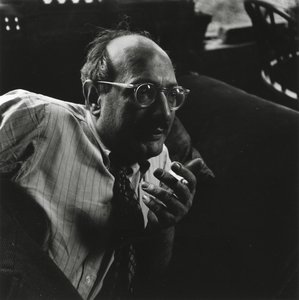
1903 - 1970 , Lettland

Explore the profound emotional depth of Color Field painting. Discover the history of mid-century abstraction, from Rothko to Newman, and learn how pure color transforms the viewer's experience through our expert art history guide.

Explore the profound history and emotional depth of Color Field painting. From Mark Rothko to Barnett Newman, discover how pure color redefined modern art through our expert-led guide for students and collectors alike.

Explore the profound history and emotional depth of Abstract Expressionism. From Jackson Pollock to Mark Rothko, master the nuances of the New York School through our expert art history guide. Discover museum-quality hand-painted reproductions for your collection.
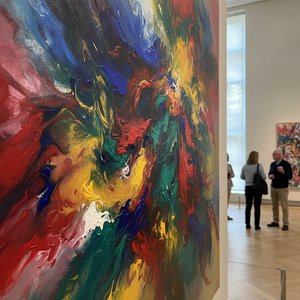
Explore the profound emotional depth of Lyrical Abstraction. Discover how masters like Raymond Parker used color and form to bridge Impressionism and Abstract Expressionism. Learn about this pivotal movement through our expert-led art history guide.


Håll dig uppdaterad med de senaste konstnyheterna, exklusiva erbjudanden och inredningsidéer.
Berätta om ditt projekt så kommer våra konstexperter att ge dig 3 personliga konstförslag.
Vi skapar ett urval av 3 alternativ helt anpassat för dig – gratis!


 Förhandsvisa
 Skicka
 Dela
Dela
 Visa detaljer

 Ladda ner
 Liknande objekt
 Röntgen
 Bildspel

 Visa mer







 Glasalternativet är endast tillgängligt i storlekar under 110 cm.