


x


 Preview
 Beställ målning Köp högupplöst digital bild
 Skicka
 Visa detaljer
 Lägg till i favoriter
 Ladda ner
 Liknande objekt
 Röntgen
 Bildspel
 Acrylic On CanvasWallArtRoerich Romanticism
 193119th Century
 76.0 x 117.0 cm
Giclée- eller canvasprint av museumskvalitet med snabb produktion och flexibla ytbehandlingsalternativ.





























Välj bland våra förinställda storlekar som motsvarar konstverkets ursprungliga proportioner.

Du kan ange egna mått för att passa en specifik ram eller yta. Om det valda måttet inte överensstämmer med originalbildens proportioner kommer vi antingen att beskära konstverket eller utöka bilden med en speglad eller enfärgad kant. En digital mockup skickas för ditt godkännande innan produktionen påbörjas.
Vänligen notera att förhandsvisningen på skärmen inte återspeglar den faktiska beskärningen eller utökningen. Endast mockuppen visar den slutgiltiga kompositionen korrekt.
Även om anpassade storlekar är möjliga, rekommenderar vi att du väljer ett mått från den fördefinierade listan för att bevara de ursprungliga proportionerna.
Leverans över hela världen () på 2 veckor istället för standard 4/5 veckor. (26 juli)


Zarathustra
Storlek på reproduktion
Nicholas Roemerich's "Zarathustra," completed in 1931, is more than a depiction of a solitary figure on a mountaintop; it’s an embodiment of the artist’s profound spiritual and philosophical leanings. This evocative painting captures a moment of intense introspection, reflecting Roerich’s lifelong fascination with Eastern mysticism, particularly Zoroastrianism – hence the title, referencing Nietzsche's iconic character who sought wisdom through solitary contemplation. The artwork immediately draws the viewer into a scene of serene grandeur, dominated by the dramatic interplay of light and shadow that defines Roerich’s distinctive style.
“Zarathustra” is deeply rooted in Roerich's belief system, which blended elements of Zoroastrianism, Hinduism, and Buddhism. The solitary figure, holding a staff – a traditional symbol of leadership and wisdom – represents humanity’s quest for self-knowledge and connection with the divine. The mountainous landscape itself symbolizes challenges overcome and spiritual ascent. Scattered figures in the background are interpreted as representing those who have already embarked on this journey, offering silent encouragement to the viewer. Roerich was also deeply involved in exploring ancient cultures and their symbolism, often incorporating these elements into his work.
Created in 1931, “Zarathustra” reflects the broader artistic trends of the early 20th century. Roerich’s work aligns with the Symbolist movement's emphasis on subjective experience and spiritual themes, while also anticipating aspects of Surrealism’s exploration of the subconscious. Roerich was a prolific traveler and explorer, spending considerable time in Central Asia and Tibet, which profoundly influenced his artistic vision. His dedication to preserving cultural heritage and promoting peace through art is reflected in the painting's powerful message.
"Zarathustra" transcends its historical context, offering a timeless appeal that resonates with viewers today. Its serene composition, evocative color palette, and profound symbolism make it an ideal addition to any interior space. This hand-painted reproduction captures the essence of Roerich’s masterpiece, bringing a touch of contemplative beauty and spiritual depth to your home or office. The size (76 x 117 cm) makes it suitable for a variety of settings, from living rooms to study spaces.


1874 - 1947 , Ryssland

Utforska de 25 mest ikoniska konstverken på Metropolitan Museum of Art i New York! Upptäck van Gogh, Monet, Rembrandt och mer – deras historia, teknik & inspiration. Hitta museumskvalitativa tryck och inred ditt hem med tidlös skönhet hos Most-Famous-Paintings.com.
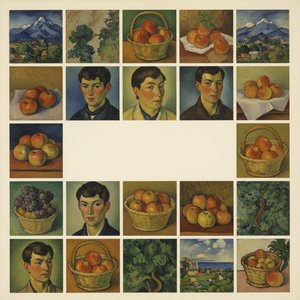
Utforska Paul Cézannes 25 mest ikoniska målningar! Fördjupa dig i impressionismens värld, från Mont Sainte-Victoire till stillsben. Hitta inspiration & museumkvalitativa konsttryck på Most-Famous-Paintings.com.
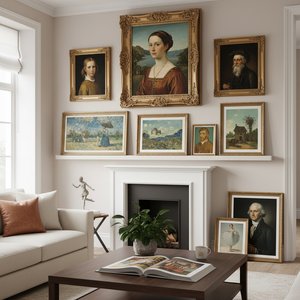
Utforska National Gallery of Art i Washingtons 25 mest ikoniska målningar! Upptäck Cézannes struktur, Matisses färg och Picassos tidiga genialitet. Hitta inspiration för ditt hem med konsttryck av högsta kvalitet på Most-Famous-Paintings.com.

Utforska Sir Alfred James Munnings 25 mest ikoniska målningar! Upptäck hästkonstens mästare, hans impressionistiska landskap & gripande krigskonst. Köp exklusiva konsttryck på Most-Famous-Paintings.com – för en tidlös inredning.
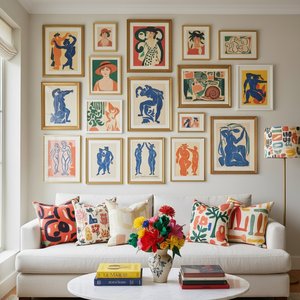
Utforska Henri Matisse' 25 mest ikoniska målningar! Lär känna Fauvismens färgstarka värld och hans tidlösa konst. Upptäck historien bakom varje mästerverk & hitta inspiration för din inredning på Most-Famous-Paintings.com.


Håll dig uppdaterad med de senaste konstnyheterna, exklusiva erbjudanden och inredningsidéer.
Berätta om ditt projekt så kommer våra konstexperter att ge dig 3 personliga konstförslag.
Vi skapar ett urval av 3 alternativ helt anpassat för dig – gratis!


 Dela
Dela

 Visa mer







 Glasalternativet är endast tillgängligt i storlekar under 110 cm.


