x

Handmålad olja på duk i din valda storlek och ram, tillverkad efter beställning av våra konstnärer. ( Beställ tryck Köp högupplöst bild)





























Välj bland våra förinställda storlekar som motsvarar konstverkets ursprungliga proportioner.

Du kan ange egna mått för att passa en specifik ram eller yta. Om den valda storleken inte matchar originalbildens proportioner kommer vi antingen att beskära konstverket eller utöka målningen med ytterligare handmålade element. En digital skiss skickas till dig för godkännande innan produktionen påbörjas.
Observera att förhandsvisningen på skärmen inte återspeglar den faktiska beskärningen eller utökningen. Endast skissen visar den slutgiltiga kompositionen korrekt.
Även om anpassade storlekar är möjliga, rekommenderar vi att du väljer en dimension från den fördefinierade listan för att bevara originalproportionerna.
Leverans över hela världen () på 3–4 veckor istället för standard 5 veckor. (17 augusti). Inga kompromisser med kvaliteten.


Barrators-Giampolo
Storlek på reproduktion
Gustave Doré’s “Barrators–Giampolo,” a stark and unsettling engraving, pulls the viewer into a maelstrom of suffering and despair. Created during the height of his prolific career in the late 19th century, this work isn't merely an illustration; it is a visceral exploration of human anguish rendered with Doré’s signature dramatic flair. Part of a larger series illustrating Dante Alighieri’s *Divine Comedy*, “Barrators–Giampolo” stands as a powerful testament to the artist’s ability to translate complex literary themes into compelling visual narratives, and offers a window into the anxieties and artistic sensibilities of its time.
Doré's work is deeply rooted in the Romantic movement, an era characterized by a fascination with emotion, individualism, and the sublime—often tinged with darkness. This engraving exemplifies these traits through its depiction of torment within a hellish landscape. The subject matter itself draws directly from Dante’s *Inferno*, specifically portraying barrators – individuals who illegally collect fees or extort money – condemned to eternal punishment. The historical context is crucial; the mid-19th century witnessed significant social upheaval and anxieties surrounding morality, justice, and the consequences of transgression. Doré's illustrations tapped into these prevailing concerns, offering a visual representation of societal fears and spiritual struggles. The choice of Dante’s work as inspiration further elevates the piece, connecting it to centuries of literary tradition exploring themes of sin, redemption, and divine retribution.
The power of “Barrators–Giampolo” lies not only in its subject matter but also in Doré’s masterful technique. As an engraver, he was renowned for his ability to create incredibly detailed and expressive images using a relatively simple medium. The engraving process itself involves meticulously carving lines into a metal plate (typically steel or copper) with specialized tools called burins. Ink is then applied to the plate, wiping away the excess before pressing paper against it, transferring the image. Doré’s skill shines through in the intricate network of lines that define every element of the scene—from the muscular forms of the tormented figures to the jagged rocks and swirling chaos of the background. The use of hatching and cross-hatching creates a remarkable range of tonal values, simulating light and shadow with astonishing depth. The composition is deliberately unbalanced and dynamic; the central figure wielding a spear dominates the scene, surrounded by writhing bodies caught in various states of agony. This asymmetry contributes to the overall feeling of instability and impending doom.
Beyond its literal depiction of Dante’s vision of hell, “Barrators–Giampolo” resonates with deeper symbolic meaning. The barrators themselves represent not just financial corruption but also broader moral failings—a condemnation of greed, injustice, and the abuse of power. The fiery landscape symbolizes the eternal consequences of sin, while the anguished expressions on the figures’ faces convey a profound sense of suffering and despair. Doré doesn't shy away from depicting the brutality of punishment; instead, he confronts the viewer with the raw emotional impact of transgression. The engraving evokes feelings of fear, pity, and perhaps even a sense of unease—a reminder of the fragility of human morality and the potential for darkness within us all. The work’s enduring appeal lies in its ability to tap into universal themes of suffering, justice, and the search for meaning in a world often marked by chaos and uncertainty.


1832 - 1883 , Frankrike

Upptäck hur svartvitt och grå abstraktion kan lyfta din inredning! Expertguider om expressionism, surrealism & mer. Hitta konst som skapar harmoni och elegans – för hemmet eller hotellet.

Explore the captivating world of Gustave Doré, master of Romantic realism & iconic illustrator. Discover his dramatic wood engravings, paintings, and sculptures – a legacy shaping art history. Learn more at Most-Famous-Paintings.
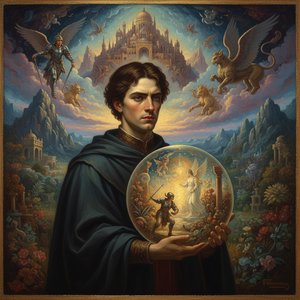
Explore the captivating world of Gustave Moreau, the leading Symbolist painter. Discover his iconic masterpieces, influences, and lasting legacy. Expert analysis for collectors & art enthusiasts.

Utforska 10 legendariska gravyrer av Dürer, Rembrandt & Goya! Upptäck konsthistorien bakom mästerverk från renässans till romantik. Köp museumkvalitativa tryck och förvandla ditt hem med tidlös skönhet på Most-Famous-Paintings.com.

Utforska 10 ikoniska målningar dominerade av 'elfenbenssvart' – från Rembrandt till Munch. Lär känna historien, tekniken och konstnärerna bakom dessa mästerverk. Hitta inspiration & museumkvalitativa konsttryck på Most-Famous-Paintings.com!


Håll dig uppdaterad med de senaste konstnyheterna, exklusiva erbjudanden och inredningsidéer.
Berätta om ditt projekt så kommer våra konstexperter att ge dig 3 personliga konstförslag.
Vi skapar ett urval av 3 alternativ helt anpassat för dig – gratis!


 Förhandsvisa
 Skicka
 Dela
Dela
 Visa detaljer

 Ladda ner
 Liknande objekt
 Röntgen
 Bildspel
 Visa mer







 Glasalternativet är endast tillgängligt i storlekar under 110 cm.