x

Giclée- eller canvasprint av museumskvalitet med snabb produktion och flexibla ytbehandlingsalternativ. ( Beställ handmålad reproduktion Köp högupplöst bild)





























Välj bland våra förinställda storlekar som motsvarar konstverkets ursprungliga proportioner.

Du kan ange egna mått för att passa en specifik ram eller yta. Om det valda måttet inte överensstämmer med originalbildens proportioner kommer vi antingen att beskära konstverket eller utöka bilden med en speglad eller enfärgad kant. En digital mockup skickas för ditt godkännande innan produktionen påbörjas.
Vänligen notera att förhandsvisningen på skärmen inte återspeglar den faktiska beskärningen eller utökningen. Endast mockuppen visar den slutgiltiga kompositionen korrekt.
Även om anpassade storlekar är möjliga, rekommenderar vi att du väljer ett mått från den fördefinierade listan för att bevara de ursprungliga proportionerna.
Leverans över hela världen () på 2 veckor istället för standard 4/5 veckor. (16 augusti)


Jean Drawing
Storlek på reproduktion
In the vast, sun-drenched gallery of Impressionism, few works possess the quiet, breathing intimacy found in Pierre-Auguste Renoir’s 1901 masterpiece, Jean Drawing. This is not a grand historical tableau or a sweeping landscape; rather, it is a profound meditation on a single, fleeting moment of childhood concentration. The painting captures Jean, the artist's son, lost in the private world of his own creativity. As he sits at a table, his head resting gently upon his hand, we are invited to witness more than just a boy at work; we are invited into a sanctuary of domestic peace. Renoir, a master of capturing the ephemeral, uses this portrait to bridge the gap between the external world and the internal life of his subject, creating a scene that feels as much like a memory as it does a painting.
The composition is a masterclass in understated balance. The boy serves as the emotional anchor, surrounded by the humble geometry of everyday life—the sturdy presence of chairs and the tactile reality of a book upon the table. There is a rhythmic stability to the arrangement that grounds the viewer, yet Renoir prevents the scene from feeling static through his legendary use of light. Through a delicate application of chiaroscroll, the artist sculpts the young boy's features, allowing soft shadows to dance across his skin and highlight the subtle tension of his focused expression. The palette is a warm, harmonious blend of muted tones that evoke a sense of comfort and timelessness, making the work an ideal centerpiece for any space seeking to cultivate an atmosphere of serenity and intellectual depth.
To look closely at Jean Drawing is to witness the technical brilliance of Renoir’s mature period. Moving beyond the rapid, broken brushstrokes of his early years, this work demonstrates a refined ability to blend texture with light. The artist employs luminous, fluid strokes that seem to vibrate with life, particularly in the rendering of fabrics and the soft glow of the skin. This technique does more than just replicate reality; it imbues the subject with a certain radiance, a quality often described as "the Renoir glow." Every stroke serves the purpose of emphasizing the softness of youth and the gentle weight of the boy's contemplative posture.
For the discerning collector or interior designer, this painting offers a unique emotional versatility. It possesses the sophisticated aesthetic required for formal galleries, yet its subject matter—the universal experience of childhood wonder—allows it to integrate seamlessly into more personal, lived-in environments. Whether placed in a sunlit study to inspire focus or in a quiet corner of a living room to evoke nostalgia, Jean Drawing acts as a window into a more tranquil era. It is a piece that does not demand attention through volume, but rather earns it through its exquisite grace and the enduring beauty of its soul.
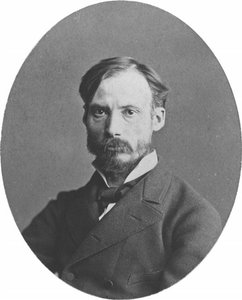
1841 - 1919 , Frankrike

Utforska Renoirs 25 mest älskade konstverk! Fördjupa dig i impressionismens värld, från balettscener till romantiska porträtt. Hitta inspiration & museumkvalitativa reproduktioner på Most-Famous-Paintings.com.

Upptäck de 10 mest inflytelserika impressionistiska mästerverken av Monet, Renoir & Degas. Lär känna historien bakom varje konsttryck och hitta inspiration för din heminredning hos Most-Famous-Paintings.com – museumkvalitet online!

Utforska de 10 mest ikoniska impressionistiska mästerverken av Monet, Renoir & Degas. Lär känna historien bakom dessa tidlösa konstverk och upptäck hur ljus och färg definierade en epok. Köp museumskvalitativa tryck på Most-Famous-Paintings.com.
Upptäck de 10 mest inflytelserika impressionistiska mästerverken! Monet, Renoir & Degas – lär känna historien bakom ikoniska målningar och deras unika ljus. Köp konsttryck av högsta kvalitet på .

Upptäck de 10 mest ikoniska impressionistiska landskapsmålningarna av Monet, Renoir & Van Gogh. Lär känna historien bakom mästerverken och hitta inspiration för din inredning på Most-Famous-Paintings.se – museumkvalitet hem till dig!


Håll dig uppdaterad med de senaste konstnyheterna, exklusiva erbjudanden och inredningsidéer.
Berätta om ditt projekt så kommer våra konstexperter att ge dig 3 personliga konstförslag.
Vi skapar ett urval av 3 alternativ helt anpassat för dig – gratis!


 Förhandsvisa
 Skicka
 Dela
Dela
 Visa detaljer

 Ladda ner
 Liknande objekt
 Röntgen
 Bildspel

 Visa mer







 Glasalternativet är endast tillgängligt i storlekar under 110 cm.