


x

 Acrylic On CanvasWallArtBaroque Classicism
 1623
1623 72.0 x 56.0 cm
 Gemäldegalerie Alte Meister
Handmålad olja på duk i din valda storlek och ram, tillverkad efter beställning av våra konstnärer. ( Beställ tryck Köp högupplöst bild)





























Välj bland våra förinställda storlekar som motsvarar konstverkets ursprungliga proportioner.

Du kan ange egna mått för att passa en specifik ram eller yta. Om den valda storleken inte matchar originalbildens proportioner kommer vi antingen att beskära konstverket eller utöka målningen med ytterligare handmålade element. En digital skiss skickas till dig för godkännande innan produktionen påbörjas.
Observera att förhandsvisningen på skärmen inte återspeglar den faktiska beskärningen eller utökningen. Endast skissen visar den slutgiltiga kompositionen korrekt.
Även om anpassade storlekar är möjliga, rekommenderar vi att du väljer en dimension från den fördefinierade listan för att bevara originalproportionerna.
Leverans över hela världen () på 3–4 veckor istället för standard 5 veckor. (22 augusti). Inga kompromisser med kvaliteten.


Drinking Bacchus
Storlek på reproduktion
Guido Reni's "Drinking Bacchus," painted in 1623, is not merely a depiction of a youthful reveler; it’s a carefully constructed tableau brimming with symbolic weight and the sensual allure characteristic of the High Baroque. The painting immediately draws the eye to a young boy, seemingly lost in a moment of intense contemplation as he holds a wine glass overflowing with crimson liquid. This isn't a joyous celebration, however, but rather a scene steeped in ambiguity, inviting viewers to ponder the nature of indulgence and perhaps even hinting at darker undertones. The composition is dominated by a richly draped tree – a vine laden with grapes – that serves as both backdrop and subtle participant in the drama. Its tendrils reach out towards the boy, suggesting an almost predatory embrace, while the scattered grapes themselves become symbols of fleeting pleasure and potential excess.
Reni’s style is a testament to his training within the esteemed Bolognese School. He inherited and refined the principles championed by the Carracci brothers – anatomical precision, dramatic lighting, and a deep reverence for classical forms. Yet, Reni transcends mere imitation; he imbues these foundations with an intensely personal expression. Notice the meticulous rendering of the boy’s features: the delicate curve of his lips, the subtle furrow in his brow, all executed with a remarkable sensitivity to texture and light. The drapery is equally impressive – voluminous yet controlled, conveying both luxury and a sense of languid movement. Reni's mastery lies not just in replicating beauty but in capturing an emotional state, a quiet intensity that elevates the scene beyond simple representation.
The central figure, drinking from the wine glass, is undeniably linked to Bacchus, the Roman god of wine, revelry, and fertility. However, Reni deliberately obscures the overt celebration often associated with this deity. The boy’s expression isn't one of boisterous joy but rather a pensive stillness, suggesting a more introspective engagement with the intoxicating substance. The bowl in the lower left corner adds another layer of complexity – it could represent moderation, a warning against excess, or perhaps even a reflection of the potential consequences of unchecked desire. The vine itself is a potent symbol, representing both abundance and temptation, mirroring the duality inherent in Bacchus’s character.
Reni's skillful manipulation of light and shadow is crucial to the painting’s impact. The scene is bathed in a warm, diffused glow that highlights the boy’s face and hands while simultaneously obscuring details within the background. This creates a sense of intimacy and draws the viewer into the moment, fostering a feeling of quiet contemplation. The deep shadows cast by the tree and drapery contribute to an atmosphere of mystery and intrigue, hinting at hidden depths beneath the surface. The color palette – dominated by rich reds, browns, and golds – further enhances this effect, evoking both luxury and a subtle sense of foreboding. “Drinking Bacchus” is not simply a beautiful painting; it’s a carefully orchestrated exploration of human emotion, inviting us to confront our own desires and vulnerabilities.
This reproduction offers an exceptional opportunity to bring Reni's masterful work into your home or office, capturing the same evocative atmosphere and profound symbolism that captivated viewers centuries ago.

Guido Reni, även känd som Le Guide, föddes i Bologna, Italien, år 1575. Han var enda barnet till Daniele Reni, en musiker, och Ginevra Pozzi, också från en musikalisk familj. Denna uppväxt instillerade honom med en uppskattning för harmoni och form som senare skulle påverka hans konstnärliga stil. Redan i nio års ålder började Guido sin lärlingsutbildning under Denis Calvaert, en flamländsk målare verksam i Bologna. Han studerade tillsammans med blivande konstnärer Albani och Domenichino, vilket lade en stark grund i klassiska principer.
Renis konstnärliga karriär sträckte sig över flera italienska städer, inklusive Rom, Neapel och hans hemstad Bologna. Hans tidiga verk visade inflytandet av Calvaert och Carracci-bröderna, med betoning på anatomisk noggrannhet och dramatisk komposition. Reni utvecklade dock snabbt en distinkt stil som kännetecknades av dess eleganta klassicism, förfinad teknik och emotionell intensitet. Han blev en dominant figur i den Bolognesiska skolan, känd för sin betoning på akademisk utbildning och idealiserade former.
Renis oeuvre omfattar ett brett spektrum av ämnen, inklusive religiösa scener, mytologiska berättelser och allegoriska representationer. Några av hans mest kända verk inkluderar:
Renis stil beskrivs ofta som eklektisk klassicism. Han blandade precisionen i klassisk konst med dynamiken och känslorna i barockperioden. Hans figurer är typiskt idealiserade, med en lugn skönhet och graciös rörelse.
Guido Reni spelade en avgörande roll för att forma utvecklingen av High Baroque-stilen i Italien. Han påverkade generationer av konstnärer med sin förfinade teknik, eleganta kompositioner och emotionella djup. Hans verk finns i framstående museer över hela världen, inklusive Palatset Capodimonte i Neapel. Renis arv sträcker sig bortom måleriet; han var också en poet och en respekterad intellektuell figur under sin tid.
Hans konst fortsätter att inspirera konstnärer och konstentusiaster idag, vilket befäster hans plats som en av de viktigaste målarna på 1600-talet. Hans inflytande kan ses i efterföljande barockkonstnärer som sökte emulera hans graciösa stil och emotionella kraft.
Guido Reni dog i Bologna år 1642, och lämnade efter sig ett rikt konstnärligt arv som fortsätter att fängsla publiken århundraden senare.

1575 - 1642 , Italien

Explore the life & work of Guido Reni, a master of Baroque classicism. Discover his iconic religious & mythological paintings, and understand his enduring influence on art history. Expert analysis for collectors.

Explore the life & art of Simon Vouet, a pivotal French Baroque painter who introduced Italian styles to France. Discover his masterpieces and lasting influence on 17th-century art.

Explore the captivating world of Baroque Classicism! Discover its history, key artists like Caravaggio & Rubens, and defining characteristics. Expert insights & high-quality reproductions at Most-Famous-Paintings.

Upptäck barockens dramatik och lyx! Lär dig hur du integrerar denna klassiska stil i ditt hem med våra experttips och inspirerande exempel. Skapa en palatskänsla idag!
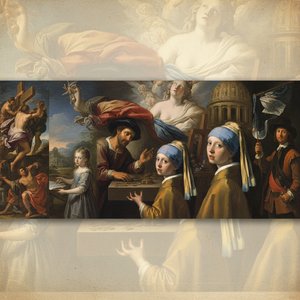
Upptäck barockens 10 största mästerverk! Caravaggio, Rembrandt, Bernini och fler. Lär känna historien bakom ikoniska målningar & skulpturer. Köp reproduktioner av hög kvalitet på Most-Famous-Paintings.com – för en lyxig heminredning.


Håll dig uppdaterad med de senaste konstnyheterna, exklusiva erbjudanden och inredningsidéer.
Berätta om ditt projekt så kommer våra konstexperter att ge dig 3 personliga konstförslag.
Vi skapar ett urval av 3 alternativ helt anpassat för dig – gratis!


 Förhandsvisa
 Skicka
 Dela
Dela
 Visa detaljer

 Ladda ner
 Liknande objekt
 Röntgen
 Bildspel
 Visa mer







 Glasalternativet är endast tillgängligt i storlekar under 110 cm.


