


x

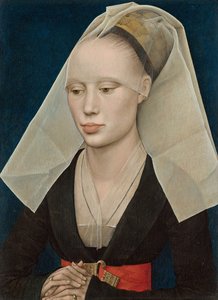
 Olja på pannåEarly Netherlandish Renaissance
 1441Senmedeltid
 Kungliga Museerna för Sköna Kunster i Belgien
Köp en högupplöst, förbättrad digital bild med betydligt högre kvalitet än förhandsvisningen online.
Varje fil är noggrant förberedd av våra interna specialister med hjälp av avancerade verktyg och professionell manuell retuschering. Vi säkerställer att varje bild har exceptionell skärpa, exakt färgåtergivning och fina detaljer.
Den slutgiltiga filen levereras via e-post inom 72 timmar, optimerad för omedelbar användning i professionella sammanhang, redaktionellt bruk och tryckmiljöer. Detta är samma kvalitet som med förtroende används av ledande designstudior, förlag och gallerier.
Ladda ner en högupplöst fil för personlig visning, utskrift och kreativa projekt. ( Beställ tryck Beställ handmålad reproduktion)
När du väljer Most-Famous-Paintings.com får du inte bara en bild – du får ett professionellt förädlat digitalt konstverk, skapat med precision och med en garanterad tillfredsställelse. Här är allt som ingår i din beställning, automatiskt:

Din högupplösta digitala bild skickas till dig via e-post inom 72 timmar efter beställning – redo för omedelbar användning.

Ditt konstverk optimeras professionellt med hjälp av avancerade AI-verktyg och manuell redigering, vilket garanterar maximal detaljrikedom, skärpa och färgnoggrannhet.

Har du råkat radera eller tappa bort din fil? Ingen oro – vi skickar den kostnadsfritt till dig när som helst.

Njut av ditt konstverk omedelbart utan tull, importavgifter eller leveranskostnader – digitala nedladdningar är alltid skattefria.

Vi säkerställer att din digitala bild återger de ursprungliga färgerna så exakt som möjligt med hjälp av professionella verktyg och färghantering.

Om du inte är nöjd med din digitala bild kommer vi att revidera den eller återbetala 100% inom 60 dagar – utan frågor.

Inte nöjd? Få full återbetalning inom 60 dagar efter att du har tagit emot din digitala fil – utan frågor och diskussioner.

Köp 3 bilder, spara 10% – Köp 5, spara 15% – Köp 10+, spara 20%. Perfekt för kreativa projekt, gallerier och byråer.
In the quiet corridors of the Royal Museums of Fine Arts in Brussels, there exists a window into the profoundest depths of human grief and divine compassion. Rogier van der Weyden’s Pietà, completed around 1441, is not merely a painting; it is a visceral experience that transcends the boundaries of time. At its heart, the work captures the devastating moment of the Lamentation, where the Virgin Mary cradles the lifeless, broken body of her son, Jesus Christ. The composition is a masterclass in emotional gravity, drawing the viewer into a sacred space where the weight of mortality meets the hope of redemption. Through his revolutionary use of oil on wood panel, Van der Weyden achieves a luminous clarity that allows the textures of cold flesh, heavy drapery, and weathered stone to breathe with an almost startling vitality.
The technical brilliance of this Early Netherlandish masterpiece lies in its meticulous realism, a departure from the more rigid Gothic traditions of the past. Van der Weyden, who likely began his journey as a goldsmith, brought a jeweler's precision to the canvas. Every fold of Mary’s mantle and every subtle shift in the pallor of Christ’s skin is rendered with an exacting devotion to detail. This level of craftsmanship does more than showcase skill; it serves a higher purpose. The artist uses light and shadow to sculpt the figures, creating a three-dimensional presence that invites the observer to witness the scene as if standing within the very shadows of Golgotha. For the collector or lover of fine art, this painting represents the pinnacle of technical mastery, where every brushstroke is an act of devotion.
Beyond its striking visual beauty, the Pietà is a dense tapestry of theological symbolism designed to provoke deep spiritual contemplation. Every element within the frame serves as a silent sermon. Beneath Christ’s feet, the presence of a skull acts as a poignant memento mori, a stark reminder of death and the biblical legacy of Adam’s fall. This connection between the first man and the Savior underscores the theme of universal suffering and the promise of grace. Even the landscape itself participates in this narrative; the withered, skeletal trees flanking the central figures symbolize the desolation brought about by sin, yet they stand as silent witnesses to the transformative power of the sacrifice being depicted.
The emotional architecture of the piece is further enriched by the inclusion of secondary figures, such as John the Evangelist, whose presence provides a human connection to the divine tragedy. The interplay between the characters—the way Mary presses her cheek against her son’s limp head—creates a rhythmic movement of sorrow that guides the eye through the composition. For those seeking to bring a sense of profound history and contemplative peace into a curated space, this work offers an unparalleled depth. It is a piece that does not merely decorate a room but transforms it, providing a focal point for reflection on the enduring human condition and the timeless beauty of classical devotion.

1400 - 1464 , Belgien


Håll dig uppdaterad med de senaste konstnyheterna, exklusiva erbjudanden och inredningsidéer.
Berätta om ditt projekt så kommer våra konstexperter att ge dig 3 personliga konstförslag.
Vi skapar ett urval av 3 alternativ helt anpassat för dig – gratis!


 Förhandsvisa
 Skicka
 Dela
Dela
 Visa detaljer

 Ladda ner
 Liknande objekt
 Röntgen
 Bildspel
 Visa mer


