


x
Köp en högupplöst, förbättrad digital bild med betydligt högre kvalitet än förhandsvisningen online.
Varje fil är noggrant förberedd av våra interna specialister med hjälp av avancerade verktyg och professionell manuell retuschering. Vi säkerställer att varje bild har exceptionell skärpa, exakt färgåtergivning och fina detaljer.
Den slutgiltiga filen levereras via e-post inom 72 timmar, optimerad för omedelbar användning i professionella sammanhang, redaktionellt bruk och tryckmiljöer. Detta är samma kvalitet som med förtroende används av ledande designstudior, förlag och gallerier.
Ladda ner en högupplöst fil för personlig visning, utskrift och kreativa projekt. ( Beställ tryck Beställ handmålad reproduktion)
När du väljer Most-Famous-Paintings.com får du inte bara en bild – du får ett professionellt förädlat digitalt konstverk, skapat med precision och med en garanterad tillfredsställelse. Här är allt som ingår i din beställning, automatiskt:

Din högupplösta digitala bild skickas till dig via e-post inom 72 timmar efter beställning – redo för omedelbar användning.

Ditt konstverk optimeras professionellt med hjälp av avancerade AI-verktyg och manuell redigering, vilket garanterar maximal detaljrikedom, skärpa och färgnoggrannhet.

Har du råkat radera eller tappa bort din fil? Ingen oro – vi skickar den kostnadsfritt till dig när som helst.

Njut av ditt konstverk omedelbart utan tull, importavgifter eller leveranskostnader – digitala nedladdningar är alltid skattefria.

Vi säkerställer att din digitala bild återger de ursprungliga färgerna så exakt som möjligt med hjälp av professionella verktyg och färghantering.

Om du inte är nöjd med din digitala bild kommer vi att revidera den eller återbetala 100% inom 60 dagar – utan frågor.

Inte nöjd? Få full återbetalning inom 60 dagar efter att du har tagit emot din digitala fil – utan frågor och diskussioner.

Köp 3 bilder, spara 10% – Köp 5, spara 15% – Köp 10+, spara 20%. Perfekt för kreativa projekt, gallerier och byråer.
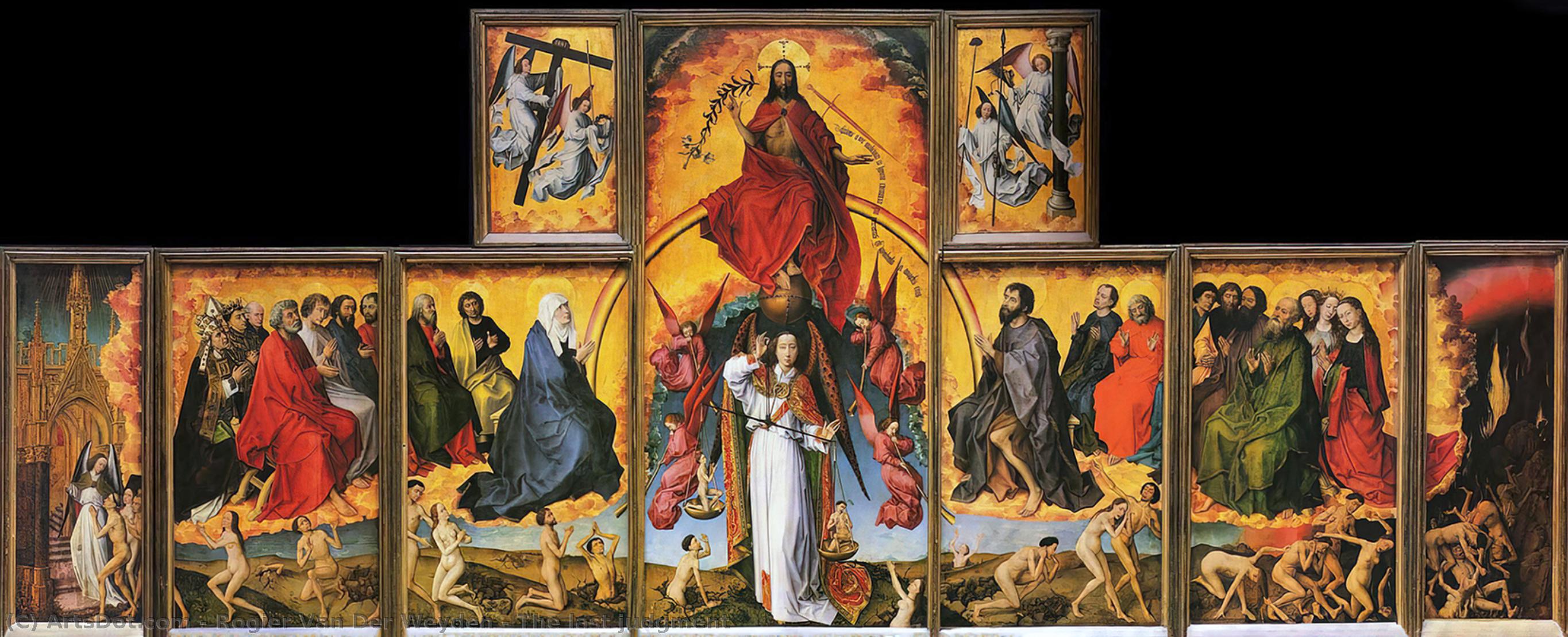
Rogier van der Weyden's "The Last Judgment," painted around 1430-1435, isn’t merely a depiction of biblical narrative; it’s a visceral exploration of human mortality and the agonizing weight of divine judgment. This monumental work, likely intended for a private chapel or a significant civic commission, transcends simple religious illustration to become a profoundly moving meditation on sin, redemption, and the inescapable consequences of earthly actions. Van der Weyden, already recognized as a master of psychological realism in his portraits, here unleashes an intensity rarely seen in Northern European painting of the period, employing techniques that anticipate the dramatic fervor of the Renaissance.
The scene unfolds within a richly detailed architectural setting – a vast, echoing space dominated by a towering crucifix. Figures are arranged in layers, creating a powerful sense of depth and drawing the viewer’s eye into the heart of the drama. Van der Weyden's meticulous attention to detail is immediately apparent: the textures of clothing, the folds of drapery, the subtle variations in skin tone – all rendered with an almost obsessive precision that lends each figure a startlingly lifelike quality. He doesn’t shy away from depicting the grotesque and uncomfortable; the faces of the damned are contorted in agony, their bodies twisted in despair, while those ascending to heaven exhibit expressions ranging from serene acceptance to ecstatic joy. The inclusion of a small dog on the left side adds an unexpected element of pathos – perhaps symbolizing loyalty or even judgment itself.
What distinguishes “The Last Judgment” is not simply its dramatic subject matter, but Van der Weyden's masterful manipulation of color and light. He employs a sophisticated palette – deep reds, blues, and golds contrasted with stark whites – to heighten the emotional impact of the scene. The use of *chiaroscuro*—the dramatic interplay of light and shadow—is particularly effective in sculpting the figures and emphasizing their expressions of torment or hope. Van der Weyden was a pioneer in using oil paints, allowing him to achieve subtle gradations of color and create a luminous quality that was previously unattainable with tempera. This technique allowed for a level of detail and realism that set him apart from his contemporaries.
Furthermore, Van der Weyden’s approach to depicting human emotion is revolutionary. He moves beyond the stylized gestures and idealized expressions common in earlier religious art, capturing moments of raw, unfiltered anguish and profound spiritual yearning. The faces of the damned are not simply frightening; they are heartbreakingly vulnerable, conveying a sense of utter despair. The figures ascending to heaven, while radiating joy, also exhibit a quiet dignity and acceptance that speaks volumes about their faith.
“The Last Judgment” is rich in symbolic meaning. The central crucifix represents Christ’s sacrifice and the gateway to salvation. The arrangement of figures – the damned descending into darkness, the saved ascending towards light – reflects traditional theological interpretations of the afterlife. Van der Weyden's work was created during a period of intense religious fervor and political upheaval in Burgundy, where the powerful Dukes were actively promoting piety and artistic patronage. This commission likely served as a potent reminder of moral responsibility and the consequences of sin within the ruling elite.
Interestingly, this painting is part of a larger polyptych, suggesting it was intended for a private chapel setting. The reverse side of the panel offers further insight into Van der Weyden’s artistic process and his engagement with contemporary trends. The influence of Italian Renaissance art, particularly in its use of perspective and dramatic composition, can be detected in “The Last Judgment,” signaling a shift towards greater realism and emotional intensity within Northern European painting.
“The Last Judgment” remains a profoundly moving work of art. It’s not just a depiction of biblical events; it's an exploration of the human condition—our capacity for both great good and terrible evil, our struggle with mortality, and our yearning for redemption. Van der Weyden’s masterful technique, combined with his profound understanding of human psychology, creates a work that continues to resonate with viewers centuries after its creation. A high-quality reproduction allows us to experience the painting's emotional power and artistic brilliance in our own homes, serving as a constant reminder of the choices we make and their ultimate consequences.

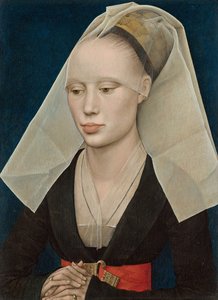
1400 - 1464 , Belgien


Håll dig uppdaterad med de senaste konstnyheterna, exklusiva erbjudanden och inredningsidéer.
Berätta om ditt projekt så kommer våra konstexperter att ge dig 3 personliga konstförslag.
Vi skapar ett urval av 3 alternativ helt anpassat för dig – gratis!


 Förhandsvisa
 Skicka
 Dela
Dela
 Visa detaljer

 Ladda ner
 Liknande objekt
 Röntgen
 Bildspel
 Visa mer


