x


 Köp tryck Köp högupplöst digital bild
 Skicka
 Visa detaljer
 Lägg till i favoriter
 Ladda ner
 Liknande objekt
 Röntgen
 Bildspel
 Acrylic On CanvasWallArtEarly Renaissance
 1490
1490 320.0 x 470.0 cm
 Staatliche Museen zu Berlin
Handmålad olja på duk i din valda storlek och ram, tillverkad efter beställning av våra konstnärer.





























Välj bland våra förinställda storlekar som motsvarar konstverkets ursprungliga proportioner.

Du kan ange egna mått för att passa en specifik ram eller yta. Om den valda storleken inte matchar originalbildens proportioner kommer vi antingen att beskära konstverket eller utöka målningen med ytterligare handmålade element. En digital skiss skickas till dig för godkännande innan produktionen påbörjas.
Observera att förhandsvisningen på skärmen inte återspeglar den faktiska beskärningen eller utökningen. Endast skissen visar den slutgiltiga kompositionen korrekt.
Även om anpassade storlekar är möjliga, rekommenderar vi att du väljer en dimension från den fördefinierade listan för att bevara originalproportionerna.
Leverans över hela världen () på 3–4 veckor istället för standard 5 veckor. (18 juli). Inga kompromisser med kvaliteten.


Purgatory X
Storlek på reproduktion
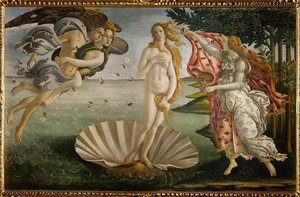
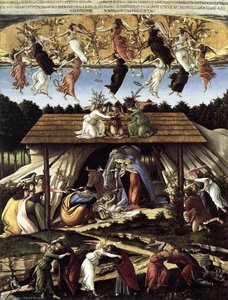
Sandro Botticelli's "Purgatory X," painted in 1490, is not merely a depiction of a scene; it’s an invitation into the complex emotional landscape of the Early Renaissance. This remarkable work, now meticulously reproduced on canvas for Most-Famous-Paintings.com, offers a rare glimpse into the artist’s evolving style and his engagement with themes of faith, mortality, and the human condition—all viewed through the lens of Florentine spirituality. The painting immediately draws the eye to a small group of figures gathered before a modest building, their gazes fixed upon a dog lying prone on the ground. A solitary bird circles overhead, adding an element of ethereal observation to this tableau of quiet contemplation.
Botticelli’s technique in “Purgatory X” is characterized by its delicate grace and refined detail, hallmarks of his mature style. He employs tempera on panel, a medium that lends itself beautifully to the luminous colors and subtle gradations of tone so characteristic of his work. Notice how he renders the figures with an almost sculpted quality – their forms are idealized yet possess a tangible humanity. The building behind them is rendered simply, almost abstractly, suggesting a place of transition rather than a specific earthly structure. The brushwork itself is remarkably controlled, creating a sense of stillness and serenity that belies the potentially weighty subject matter.
The scene’s symbolism is layered and open to interpretation, reflecting the theological debates prevalent during Botticelli's time. “Purgatory,” as understood in the late 15th century, wasn’t a literal place of fire and torment but rather a state of purification before entering Heaven. The dog lying on the ground could represent earthly desires or attachments that must be shed to achieve spiritual enlightenment – a poignant image of letting go. The bird soaring above might symbolize divine grace or the soul's ascent towards God, offering a hopeful counterpoint to the scene’s grounded reality.
Crucially, “Purgatory X” is believed to have been created during a period when Botticelli himself was grappling with questions of faith and artistic direction. Some scholars suggest it reflects his own personal struggles with religious doubt, a sentiment increasingly common amongst artists and intellectuals of the era. The lack of overt religious iconography – no crosses, no saints – distinguishes this work from many of Botticelli’s earlier commissions for the Medici family, hinting at a shift towards a more introspective and psychologically driven approach to art.
Painted in Florence during the height of the Renaissance, “Purgatory X” is inextricably linked to the city's vibrant intellectual and artistic climate. Botticelli was deeply influenced by the humanist philosophy that emphasized human potential and classical learning – a spirit that permeated all aspects of Florentine culture. His training under Fra Filippo Lippi instilled in him a mastery of traditional techniques while simultaneously exposing him to the innovative ideas circulating within the Medici court, where patronage fueled artistic experimentation.
The painting’s composition echoes the conventions of Renaissance portraiture, yet it departs from established norms through its focus on a seemingly ordinary scene. This deliberate choice underscores Botticelli's desire to explore the inner lives of his subjects and convey complex emotions without resorting to explicit religious symbolism. It is this subtle complexity that makes “Purgatory X” such a compelling and enduring work of art.
Most-Famous-Paintings’s meticulous reproduction of “Purgatory X” captures the painting's luminous colors, delicate brushwork, and profound emotional depth with exceptional fidelity. Available in a range of sizes, this hand-painted reproduction offers an unparalleled opportunity to experience Botticelli’s masterpiece firsthand. Whether adorning a grand salon or a more intimate space, "Purgatory X" invites viewers to contemplate the mysteries of faith, mortality, and the enduring power of art to illuminate the human spirit.
Consider this artwork not just as a beautiful image but as a portal into the mind of one of the Renaissance’s most celebrated artists – a testament to Botticelli's genius and his profound understanding of the complexities of the human experience.

1445 - 1510 , Italien
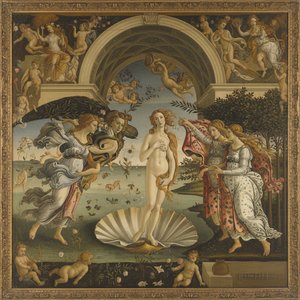
Utforska Sandro Botticellis 25 mest ikoniska målningar! Fördjupa dig i renässansens skönhet, klassisk mytologi och tidlösa konstverk. Köp högkvalitativa reproduktioner & hitta inspiration för ditt hem på Most-Famous-Paintings.com.
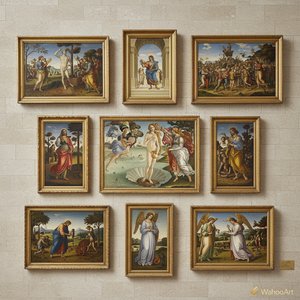
Upptäck 10 renässansmästerverk av Botticelli, Leonardo da Vinci & Michelangelo! Fördjupa dig i italiensk konsthistoria och tidig renässans. Hitta inspiration för ditt hem med museumskvalitets reproduktioner på Most-Famous-Paintings.com.

Explore the groundbreaking innovations & humanist ideals of Early Renaissance art (c. 1400-1500). Discover masterpieces by Botticelli, Fra Angelico & more. A deep dive for art enthusiasts.

Upptäck högrenässansens 10 mest ikoniska mästerverk – från Leonardo da Vincis Mona Lisa till Michelangelos skapelser. Lär känna konsthistorien och hitta inspiration för din heminredning med Most-Famous-Paintings.com. Utforska samlingen online!

Utforska 10 renässansmästerverk som definierade humanismen! Lär känna Leonardo da Vinci, Michelangelo och Botticelli. Köp museumkvalitativa konsttryck & inred med klassisk italiensk renässanskonst på Most-Famous-Paintings.com – din källa till tidlös skönhet.


Håll dig uppdaterad med de senaste konstnyheterna, exklusiva erbjudanden och inredningsidéer.
Berätta om ditt projekt så kommer våra konstexperter att ge dig 3 personliga konstförslag.
Vi skapar ett urval av 3 alternativ helt anpassat för dig – gratis!


 Dela
Dela

 Visa mer







 Glasalternativet är endast tillgängligt i storlekar under 110 cm.