


x


 Oil On CanvasWallArtPre-Raphaelite Revival
 1851
1851 76.0 x 112.0 cm
 Tate Britain
Giclée- eller canvasprint av museumskvalitet med snabb produktion och flexibla ytbehandlingsalternativ. ( Byt till handmålad reproduktion Byt till bild)





























Välj bland våra förinställda storlekar som motsvarar konstverkets ursprungliga proportioner.

Du kan ange egna mått för att passa en specifik ram eller yta. Om det valda måttet inte överensstämmer med originalbildens proportioner kommer vi antingen att beskära konstverket eller utöka bilden med en speglad eller enfärgad kant. En digital mockup skickas för ditt godkännande innan produktionen påbörjas.
Vänligen notera att förhandsvisningen på skärmen inte återspeglar den faktiska beskärningen eller utökningen. Endast mockuppen visar den slutgiltiga kompositionen korrekt.
Även om anpassade storlekar är möjliga, rekommenderar vi att du väljer ett mått från den fördefinierade listan för att bevara de ursprungliga proportionerna.
Leverans över hela världen () på 2 veckor istället för standard 4/5 veckor. (31 juli)


Ophelia
Storlek på reproduktion
Sir John Everett Millais' "Ophelia," completed between 1851 and 1852, is more than just a painting; it’s an immersive experience. This iconic Pre-Raphaelite masterpiece transports the viewer to the heart of Shakespeare’s tragedy, capturing a poignant and unforgettable scene from *Hamlet*. The image depicts Ophelia, adrift in a stream amidst a riot of wildflowers, her expression a mixture of sorrow, resignation, and ethereal beauty. Millais' meticulous attention to detail—from the delicate folds of her dress to the vibrant hues of the surrounding flora—creates an astonishingly realistic and emotionally resonant portrayal of a young woman on the brink of oblivion.
The painting’s genesis is deeply intertwined with the Pre-Raphaelite Brotherhood’s revolutionary approach to art. Rejecting the idealized, polished style of academic painting, the brotherhood championed truth to nature, detailed observation, and a return to the artistic principles of the Renaissance before Raphael. Millais, a founding member, embraced this ethos wholeheartedly, spending weeks meticulously sketching and studying the actual location – the Hogsmill River in Surrey—to ensure an unparalleled level of accuracy. He even employed a model, Elizabeth Siddal, who spent hours submerged in a bathtub to achieve the languid pose and realistic depiction of Ophelia’s drowned state, a practice considered radical for its time.
Beyond its stunning realism, “Ophelia” is rich with symbolic meaning. Each flower meticulously placed around her body carries a specific significance, woven into the fabric of Shakespeare's original text and offering layers of interpretation. Daisies represent innocence and purity—a poignant contrast to Ophelia’s tragic fate. Violets symbolize faithfulness and chastity, while poppies, scattered amongst the daisies, are associated with death and sleep. The willow tree weeping over her represents sorrow and mourning, mirroring Ophelia's own grief. Millais deliberately employed this floral lexicon to deepen the painting’s narrative and invite viewers to contemplate the complexities of love, loss, and madness.
The composition itself is carefully constructed to heighten the emotional impact. The stream flows diagonally across the canvas, drawing the eye towards Ophelia's face and creating a sense of movement and vulnerability. Her pale complexion, accentuated by the diffused light filtering through the foliage, evokes a feeling of otherworldly beauty and fragility. The overall effect is one of serene melancholy—a visual poem capturing the essence of Shakespeare’s tragic heroine.
Millais' mastery of technique is evident in every brushstroke. He employed a layering method, building up color gradually to achieve an astonishing level of detail and luminosity. His use of light—particularly the dappled sunlight filtering through the trees—creates a sense of atmosphere and depth, immersing the viewer within the scene. The painting’s surface is remarkably smooth, achieved through meticulous glazing techniques, further enhancing its realism.
Furthermore, Millais' innovative approach to depicting water was groundbreaking for his time. He meticulously studied reflections and ripples, capturing the shimmering quality of the stream with remarkable precision. This commitment to naturalism extended beyond mere representation; he sought to evoke the *feeling* of being immersed in that watery world—a testament to his artistic vision.
"Ophelia" remains one of the most beloved and recognizable paintings in the Pre-Raphaelite canon. Its enduring appeal lies not only in its technical brilliance but also in its profound emotional resonance. It continues to captivate audiences with its depiction of beauty, tragedy, and the delicate balance between life and death.
Today, high-quality reproductions of “Ophelia” are available through Most-Famous-Paintings.com, offering art enthusiasts a chance to bring this iconic masterpiece into their homes or offices. Whether you appreciate it as a work of historical significance, an exploration of symbolism, or simply a stunning example of artistic skill, "Ophelia" continues to hold a powerful and enduring place in the hearts of viewers worldwide.


1829 - 1896 , Storbritannien

Utforska Dante Gabriel Rossettis 25 mest ikoniska konstverk! Upptäck prerafaeliternas symbolik, romantisk konst och tidlösa berättelser bakom mästerverken. Köp museumkvalitativa tryck & inred med vacker väggkonst på Most-Famous-Paintings.com.

Utforska James Abbott McNeill Whistlers 25 mest ikoniska verk – från stämningsfulla Nocturnes till gripande porträtt. Upptäck konsthistoria, tekniker och inspiration för din inredning. Köp reproduktioner av högsta kvalitet på Most-Famous-Paintings.com.

Utforska de 25 mest ikoniska konstverken på Metropolitan Museum of Art i New York! Upptäck van Gogh, Monet, Rembrandt och mer – deras historia, teknik & inspiration. Hitta museumskvalitativa tryck och inred ditt hem med tidlös skönhet hos Most-Famous-Paintings.com.
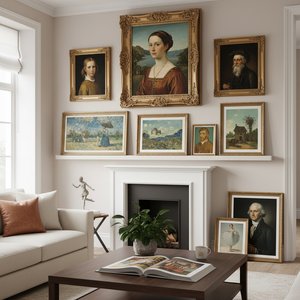
Utforska National Gallery of Art i Washingtons 25 mest ikoniska målningar! Upptäck Cézannes struktur, Matisses färg och Picassos tidiga genialitet. Hitta inspiration för ditt hem med konsttryck av högsta kvalitet på Most-Famous-Paintings.com.
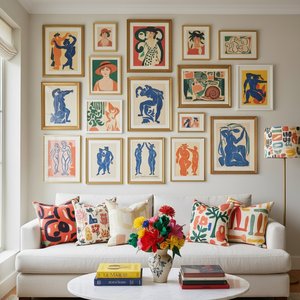
Utforska Henri Matisse' 25 mest ikoniska målningar! Lär känna Fauvismens färgstarka värld och hans tidlösa konst. Upptäck historien bakom varje mästerverk & hitta inspiration för din inredning på Most-Famous-Paintings.com.


Håll dig uppdaterad med de senaste konstnyheterna, exklusiva erbjudanden och inredningsidéer.
Berätta om ditt projekt så kommer våra konstexperter att ge dig 3 personliga konstförslag.
Vi skapar ett urval av 3 alternativ helt anpassat för dig – gratis!


 Förhandsvisa
 Skicka
 Dela
Dela
 Visa detaljer

 Ladda ner
 Liknande objekt
 Röntgen
 Bildspel
 Visa mer







 Glasalternativet är endast tillgängligt i storlekar under 110 cm.


