


x

 Acrylic On CanvasWallArtRealist Painting
 Early Medieval
 60.0 x 71.0 cm
Köp en högupplöst, förbättrad digital bild som är vida överlägsen förhandsvisningen online.
Varje fil är noggrant förberedd av våra interna specialister med hjälp av avancerade verktyg och professionell manuell retuschering. Vi säkerställer att varje bild har exceptionell skärpa, exakt färgåtergivning och fina detaljer.
Den slutgiltiga filen levereras via e-post inom 72 timmar, optimerad för omedelbar användning i professionella sammanhang, redaktionellt bruk och tryckmiljöer. Detta är samma kvalitet som med förtroende används av ledande designstudior, förlag och gallerier.
Ladda ner en högupplöst fil för personlig visning, utskrift och kreativa projekt. ( Beställ tryck Byt till handmålad målning)
När du väljer Most-Famous-Paintings.com får du inte bara en bild – du får ett professionellt förädlat digitalt konstverk, skapat med precision och med en garanterad tillfredsställelse. Här är allt som ingår i din beställning, automatiskt:

Din högupplösta digitala bild skickas till dig via e-post inom 72 timmar efter beställning – redo för omedelbar användning.

Ditt konstverk optimeras professionellt med hjälp av avancerade AI-verktyg och manuell redigering, vilket garanterar maximal detaljrikedom, skärpa och färgnoggrannhet.

Har du råkat radera eller tappa bort din fil? Ingen oro – vi skickar den kostnadsfritt till dig när som helst.

Njut av ditt konstverk omedelbart utan tull, importavgifter eller leveranskostnader – digitala nedladdningar är alltid skattefria.

Vi säkerställer att din digitala bild återger de ursprungliga färgerna så exakt som möjligt med hjälp av professionella verktyg och färghantering.

Om du inte är nöjd med din digitala bild kommer vi att revidera den eller återbetala 100% inom 60 dagar – utan frågor.

Inte nöjd? Få full återbetalning inom 60 dagar efter att du har tagit emot din digitala fil – utan frågor och diskussioner.

Köp 3 bilder, spara 10% – Köp 5, spara 15% – Köp 10+, spara 20%. Perfekt för kreativa projekt, gallerier och byråer.
Winslow Homer’s “Below Zero,” painted circa 1893, isn’t merely a depiction of a winter landscape; it’s a profound meditation on human endurance against the relentless indifference of nature. This iconic work, currently residing in the Yale University Art Gallery, immediately commands attention with its monochrome palette – a carefully orchestrated symphony of grays and whites that evokes the biting cold and desolate beauty of a northern winter. Homer masterfully utilizes tonal variations to sculpt form and texture, creating an illusion of depth and roughness within the snowdrifts and the figures’ heavy coats, suggesting both the physical burden of travel and the protective layers against the elements.
The composition is deceptively simple yet powerfully effective. Two bundled figures, their faces obscured by fur caps, struggle through a vast expanse of snow, their sleds trailing behind them like extensions of their weary bodies. The strategic placement of three sleds acts as leading lines, drawing the viewer’s eye into the heart of the scene and emphasizing the arduous journey ahead. The low horizon line amplifies the scale of the landscape, dwarfing the figures and underscoring their vulnerability within this immense, unforgiving environment. Homer eschews sentimentality; there's no dramatic rescue or heroic gesture here, only a quiet determination etched onto the faces of those who persevere.
Homer’s approach to “Below Zero” is firmly rooted in realism, a departure from the romanticized landscapes often favored by his contemporaries. He achieved this through painstaking observation and a deliberate restraint in his brushwork. The painting likely originated with charcoal or graphite on paper, meticulously rendered before being translated into grayscale tones – a technique that allowed Homer to control light and shadow with exceptional precision. The subtle gradations of tone create an astonishing sense of texture; the snow appears not as a uniform surface but as a complex interplay of ridges, drifts, and shadowed recesses. The artist’s skillful manipulation of value—the delicate shifts between dark and light—is what truly breathes life into this otherwise stark scene.
To understand “Below Zero,” it's crucial to consider the historical context in which Homer painted. The late 19th century was a period of rapid industrialization and urbanization in America, yet many rural communities still clung fiercely to traditional ways of life. Homer’s work often explored these themes – the dignity of labor, the challenges faced by ordinary people, and the enduring connection between humanity and the natural world. “Below Zero” can be seen as a reflection on this broader American experience, capturing the spirit of resilience in the face of hardship. Interestingly, Homer himself spent time living in Belmont, Massachusetts, at the Homer House, which served as inspiration for many of his works depicting rural life.
Beyond its literal depiction of a winter journey, “Below Zero” resonates with deeper symbolic meanings. The figures’ struggle against the elements represents humanity's ongoing battle against adversity – a theme that transcends specific historical contexts. The cold itself can be interpreted as a metaphor for isolation, hardship, and the challenges of survival. Yet, despite the bleakness of the scene, there is also a sense of quiet dignity and perseverance in the figures’ actions. “Below Zero” isn't about celebrating triumph; it’s about acknowledging the inherent difficulty of life while simultaneously affirming the human spirit’s capacity to endure. The painting leaves the viewer with a profound sense of respect for those who face hardship with unwavering determination, reminding us of our own resilience in the face of life’s inevitable challenges.
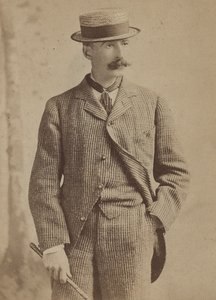
1836 - 1910 , USA


Håll dig uppdaterad med de senaste konstnyheterna, exklusiva erbjudanden och inredningsidéer.
Berätta om ditt projekt så kommer våra konstexperter att ge dig 3 personliga konstförslag.
Vi skapar ett urval av 3 alternativ helt anpassat för dig – gratis!


 Visa i rummet
 Skicka
 Dela
Dela
 Detaljer

 Ladda ner
 Liknande objekt
 Röntgen
 Bildspel
 Läs mer


