x

Hızlı üretim ve esnek bitiş seçenekleriyle müze kalitesinde giclée veya kanvas baskı. ( El yapımı tablo satın al Görsel satın al)





























Eserin orijinal oranlarıyla uyumlu, önceden belirlenmiş boyutlarımız arasından seçim yapın.

Belirli bir çerçeveye veya alana uyması için kendi ölçülerinizi girebilirsiniz. Seçtiğiniz boyut orijinal görüntünün oranlarıyla eşleşmiyorsa, sanat eserini kırpacağız veya görüntüyü aynalanmış ya da düz dolgulu bir kenarlıkla genişleteceğiz. Üretim başlamadan önce onayınız için bir dijital taslak gönderilecektir.
Lütfen ekrandaki önizlemenin gerçek kırpma veya genişletmeyi yansıtmadığını unutmayın. Nihai kompozisyonu yalnızca taslak doğru bir şekilde gösterecektir.
Özel boyutlar mevcut olsa da, orijinal oranları korumak için önceden tanımlanmış listeden bir boyut seçmenizi öneririz.
Dünya Çapında Teslimat (); standart 4/5 hafta yerine 2 haftada. (20 Ağustos)


Hercules
Reproduksiyon Boyutu
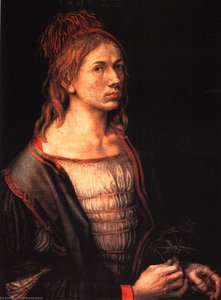
In the annals of the Northern Renaissance, few images command the eye with such immediate, visceral intensity as Albrecht Dürer’s "Hercules." Created in 1496, this masterful woodcut is far more than a mere illustration of Greek myth; it is a profound testament to the burgeoning artistic spirit of the German Renaissance. At first glance, the viewer is struck by a sense of monumental struggle and kinetic energy. Dürer does not simply depict a hero; he captures a moment of profound tension where muscle, shadow, and myth collide. The composition is anchored by a striking diagonal movement that sweeps from the lower left toward the upper right, guiding the observer through a densely populated landscape of action and drama. This deliberate arrangement mirrors the very essence of the heroic epic—a journey fraught with peril and relentless momentum.
The true genius of this work lies in Dürer’s unparalleled command over the woodcut medium. While many contemporary prints relied on simple outlines, Dürer pushed the boundaries of what could be achieved through carving into pear or boxwood. Through the sophisticated use of cross-hatching—the meticulous layering of intersecting lines—he achieves a breathtaking range of tonal variation. This technique allows for a sculptural quality that breathes life into the hero’s physique, creating deep, velvety shadows and brilliant highlights that suggest weight, volume, and anatomical precision. The resulting texture is palpable; there is a subtle, grainy rhythm to the print that speaks to the physical labor of the artist's craft, offering a tactile richness that makes the monochrome palette feel incredibly deep and multidimensional.
Beyond its technical brilliance, "Hercules" serves as a complex narrative vessel. While the subject matter draws from the legendary labors of the Greek hero, the interpretation of the scene invites profound psychological reflection. Some scholars suggest the work captures the hero’s confrontation with the Hydra, yet others find traces of a more tragic human drama—a moment of madness or moral crossroads. The presence of secondary figures and the stylized, detailed cityscape in the background create a world that feels both epic and intimately grounded. Dürer utilizes atmospheric perspective to suggest vastness, making the distant architecture appear lighter and more ethereal, which serves to heighten the immediate, heavy presence of the central figure.
For the discerning collector or interior designer, this piece offers a unique opportunity to introduce a sense of historical gravity and intellectual depth into a space. The stark, monochromatic elegance of the woodcut style allows it to integrate seamlessly into diverse aesthetic environments, from the minimalist modern gallery look to the richly textured atmosphere of a classical study. It is an artwork that does not merely decorate a wall; it anchors a room with its themes of resilience, strength, and the eternal struggle between chaos and order. Owning a high-quality reproduction of this masterpiece means possessing a fragment of the Renaissance soul—a window into a time when art first began to masterfully bridge the gap between the divine myth and the human experience.


1471 - 1528 , İtalya

Explore the profound history and technical mastery of woodcut relief printing. From ancient origins to German Expressionism, discover how artists use the subtractive process to create iconic works. A definitive guide for art students, collectors, and historians.

Explore the profound mastery of Northern Renaissance art. Discover the technical brilliance of Flemish oil painting, the intricate symbolism of Bosch and Bruegel, and the revolutionary realism that redefined European art history through an expert historical lens.


En son sanat haberlerinden, özel tekliflerden ve dekorasyon fikirlerinden haberdar olun.
Projenizden bize bahsedin; sanat uzmanlarımız size özel 3 sanat eseri önerisi sunsun.
Size Özel 3 Seçeneği Ücretsiz Olarak Hazırlayalım!


 Önizleme yap
 Paylaş
 Paylaş
 Detayları Gör

 İndir
İndir
 Benzerlerini gör
 X-Işını
 Slayt Gösterisi


 Tümünü Gör







 Cam seçeneği yalnızca 110 cm altındaki boyutlar için mevcuttur.