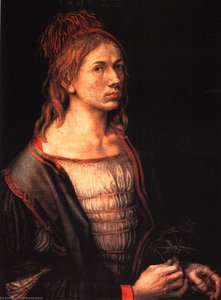
x


 Baskıyı satın al Görseli Satın Al
 Paylaş
 Detayları Gör
 Favorilere ekle
 İndir
İndir
 Benzerlerini gör
 X-Işını
 Slayt Gösterisi
 EngravingOtherNorthern Renaissance
 1501Renaissance
 4.0 x 35.0 cm
Sanatçılarımız tarafından sipariş üzerine hazırlanan; istediğiniz boyut ve çerçevede, tuval üzerine el boyaması yağlı boya.
Eserin orijinal oranlarıyla uyumlu, önceden belirlenmiş boyutlarımız arasından seçim yapın.

Belirli bir çerçeveye veya alana uyması için kendi boyutlarınızı girebilirsiniz. Seçtiğiniz boyut orijinal görüntünün oranlarıyla eşleşmiyorsa, sanat eserini kırparak veya ek el boyaması öğelerle resmi uzatarak ayarlayacağız. Üretim başlamadan önce onayınız için dijital bir taslak gönderilecektir.
Lütfen ekrandaki önizlemenin gerçek kırpmayı veya uzatmayı yansıtmadığını unutmayın. Nihai kompozisyonu yalnızca hazırlanan taslak doğru şekilde gösterecektir.
Özel boyutlar mevcut olsa da, orijinal oranları korumak adına önceden tanımlanmış listeden bir boyut seçmenizi öneririz.
Dünya Çapında Teslimat (); standart 5 hafta yerine 3/4 haftada. (23 Temmuz). Kaliteden ödün verilmez.


Saint Eustace
Reproduksiyon Boyutu
“Saint Eustace” depicts a pivotal moment in the legend of Saint Eustace, formerly Roman General Placidus. The engraving portrays his dramatic conversion to Christianity after witnessing a miraculous vision – a stag with a crucifix between its antlers. This transformative event led him to abandon his military life and embrace faith. Dürer masterfully captures the scene's narrative intensity, showcasing the hunter’s astonishment and spiritual awakening amidst a detailed landscape teeming with wildlife.
This engraving exemplifies Albrecht Dürer's exceptional skill within the Northern Renaissance style. The work is characterized by meticulous detail, dramatic lighting, and a profound understanding of perspective. Dürer employed the technique of engraving – meticulously cutting lines into a metal plate with a burin (a specialized tool) to create an image that could then be inked and printed onto paper. The use of hatching and cross-hatching creates tonal variations, simulating light and shadow, adding depth and realism to the scene. The composition is vertically oriented, drawing the eye upwards towards the castle in the background, emphasizing a sense of grandeur and spiritual elevation.
Created in 1501, “Saint Eustace” reflects the religious fervor and artistic innovation of the early 16th century. The story of Saint Eustace was popular during the medieval period, symbolizing faith, redemption, and divine intervention. The stag itself is a powerful symbol representing Christ, while the crucifix signifies sacrifice and salvation. The surrounding landscape, filled with various animals – hounds, horses, birds – represents the natural world under God’s dominion. Dürer's inclusion of these elements elevates the engraving beyond a simple depiction of a religious event; it becomes an exploration of humanity's relationship with nature and the divine.
“Saint Eustace” evokes a sense of awe and wonder through its intricate detail and dramatic composition. The hunter’s expression, captured with remarkable precision, conveys both surprise and spiritual revelation. The engraving’s emotional impact lies in its ability to transport the viewer into this pivotal moment of transformation. As one of Dürer's largest and most ambitious engravings, “Saint Eustace” stands as a testament to his artistic genius and has profoundly influenced generations of artists, solidifying its place as an iconic masterpiece of the Northern Renaissance.


1471 - 1528 , İtalya

Explore the rich history of hunting scenes in Western art, from royal pursuits to powerful allegories. Discover masterpieces & expert insights for discerning collectors. Most-Famous-Paintings offers museum-quality reproductions.

Explore the profound history of biblical art! Discover Renaissance masterpieces by Giotto & more. Uncover symbolism, artistic techniques, and lasting influence. Expert insights at Most-Famous-Paintings.
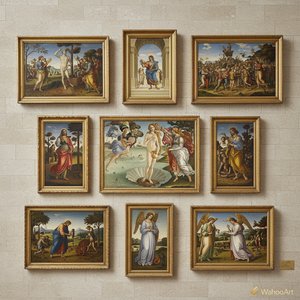
Erken Rönesans'ın 10 başyapıtıyla sanat tarihine yolculuk! Botticelli, Leonardo da Vinci gibi ustaların eserleriyle evinizi dönüştürün. Most-Famous-Paintings.com’da müze kalitesinde replikalar ve benzersiz dekorasyon fikirleri keşfedin.
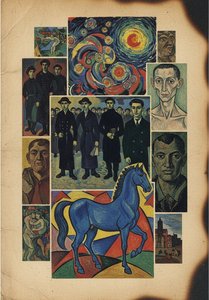
Explore 10 defining German Expressionism masterpieces – from Munch's 'The Scream' to Kandinsky’s abstracts. Discover the artists, stories & bold colors behind this powerful art movement. Find museum-quality reproductions at Most-Famous-Paintings.com.

Explore the profound religious art of Matthias Grünewald, master of the Isenheim Altarpiece. Discover his unique expressionism, symbolism & lasting impact on Renaissance painting. A guide for collectors and enthusiasts.


En son sanat haberlerinden, özel tekliflerden ve dekorasyon fikirlerinden haberdar olun.
Projenizden bize bahsedin; sanat uzmanlarımız size özel 3 sanat eseri önerisi sunsun.
Size Özel 3 Seçeneği Ücretsiz Olarak Hazırlayalım!


 Paylaş

 Tümünü Gör




































 Cam seçeneği yalnızca 110 cm altındaki boyutlar için mevcuttur.