


x

Hızlı üretim ve esnek bitiş seçenekleriyle müze kalitesinde giclée veya kanvas baskı. ( El yapımı tablo satın al Görsel satın al)





























Eserin orijinal oranlarıyla uyumlu, önceden belirlenmiş boyutlarımız arasından seçim yapın.

Belirli bir çerçeveye veya alana uyması için kendi ölçülerinizi girebilirsiniz. Seçtiğiniz boyut orijinal görüntünün oranlarıyla eşleşmiyorsa, sanat eserini kırpacağız veya görüntüyü aynalanmış ya da düz dolgulu bir kenarlıkla genişleteceğiz. Üretim başlamadan önce onayınız için bir dijital taslak gönderilecektir.
Lütfen ekrandaki önizlemenin gerçek kırpma veya genişletmeyi yansıtmadığını unutmayın. Nihai kompozisyonu yalnızca taslak doğru bir şekilde gösterecektir.
Özel boyutlar mevcut olsa da, orijinal oranları korumak için önceden tanımlanmış listeden bir boyut seçmenizi öneririz.
Dünya Çapında Teslimat (); standart 4/5 hafta yerine 2 haftada. (21 Ağustos)


Flash--November 22, 1963
Reproduksiyon Boyutu
Andy Warhol's ‘Flash—November 22, 1963’ is not a depiction of grief, nor a straightforward memorial. Instead, it’s a chillingly detached response to national trauma, rendered in the cool, repetitive language of Pop Art. Created in 1968, five years after the assassination of President John F. Kennedy, this screen print isn't about the event itself, but rather about *how* we consume tragedy – through the relentless churn of media and its capacity to both inform and numb. The artwork presents a dense field of floral shapes, almost overwhelming in their sheer number, printed in shades of gray against a stark white background. These aren’t celebratory blossoms; they feel more like ghostly afterimages, echoes of sympathy cards and televised bouquets that flooded the nation's consciousness in the wake of the shooting.
Warhol, ever the astute observer of American culture, understood the power of mass production and its impact on emotional experience. He wasn’t interested in expressing personal sorrow; he was fascinated by how tragedy became a spectacle, filtered through newspapers, television screens, and ultimately, absorbed into the collective unconscious. The screen printing technique itself reinforces this idea – it's mechanical, impersonal, capable of producing countless identical images. This deliberate lack of artistic “touch” is crucial. The flowers, simplified to their essential forms with crisp lines, are almost stencil-like, devoid of individual character. Their repetition creates a visual rhythm that’s hypnotic and unsettling, mirroring the relentless news cycle that dominated the days following Kennedy's death. The absence of strong shadows or highlights further flattens the image, contributing to its graphic quality and reinforcing the sense of emotional distance.
The title itself, ‘Flash—November 22, 1963,’ is a direct reference to the urgent “news flash” bulletins that interrupted everyday life on that fateful day. Warhol’s series was inspired by these immediate media reports, incorporating teletype dispatches alongside the floral imagery. While the flowers don't explicitly represent mourning symbols in a traditional sense, they function as stand-ins for the outpouring of public sentiment – the gestures of sympathy and remembrance that were themselves mediated through mass communication. Some scholars suggest the choice of flowers alludes to the wreaths often seen at funerals, but Warhol subverts this expectation by presenting them not as emblems of grief, but as part of a larger, more complex commentary on how we process loss in a media-saturated world. The limited color palette – predominantly gray – adds to the somber mood, evoking newspaper photographs and the black-and-white television broadcasts that brought the tragedy into American homes.
Andy Warhol, born Andrew Warhola Jr. in 1928, was a pivotal figure in the Pop Art movement, challenging conventional notions of artistic expression and blurring the lines between high art and popular culture. His early life, marked by illness and confinement, fostered a keen observational sensibility and an interest in the visual world around him. From his beginnings as a commercial illustrator, Warhol understood the power of imagery to capture attention and shape perceptions. ‘Flash—November 22, 1963’ exemplifies his signature style – a detached, almost clinical approach to subject matter combined with a mastery of mechanical reproduction techniques. This artwork isn't simply about Kennedy's assassination; it’s a profound meditation on the nature of celebrity, consumerism, and the desensitizing effects of mass media—themes that remain strikingly relevant today. It serves as a potent reminder of Warhol’s enduring ability to hold a mirror up to modern society, forcing us to confront uncomfortable truths about ourselves and the world we inhabit.

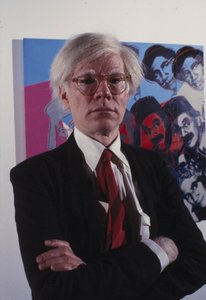
1928 - 1987 , Amerika Birleşik Devletleri

Explore the provocative world of Aggressive Pop Art. Discover how confrontational imagery, bold saturated hues, and mass media deconstruction redefined modern aesthetics through an expert art-historical lens.


En son sanat haberlerinden, özel tekliflerden ve dekorasyon fikirlerinden haberdar olun.
Projenizden bize bahsedin; sanat uzmanlarımız size özel 3 sanat eseri önerisi sunsun.
Size Özel 3 Seçeneği Ücretsiz Olarak Hazırlayalım!


 Önizleme yap
 Paylaş
 Paylaş
 Detayları Gör

 İndir
İndir
 Benzerlerini gör
 X-Işını
 Slayt Gösterisi

 Tümünü Gör







 Cam seçeneği yalnızca 110 cm altındaki boyutlar için mevcuttur.


