x

Hızlı üretim ve esnek bitiş seçenekleriyle müze kalitesinde giclée veya kanvas baskı. ( El yapımı tablo satın al Görsel satın al)





























Eserin orijinal oranlarıyla uyumlu, önceden belirlenmiş boyutlarımız arasından seçim yapın.

Belirli bir çerçeveye veya alana uyması için kendi ölçülerinizi girebilirsiniz. Seçtiğiniz boyut orijinal görüntünün oranlarıyla eşleşmiyorsa, sanat eserini kırpacağız veya görüntüyü aynalanmış ya da düz dolgulu bir kenarlıkla genişleteceğiz. Üretim başlamadan önce onayınız için bir dijital taslak gönderilecektir.
Lütfen ekrandaki önizlemenin gerçek kırpma veya genişletmeyi yansıtmadığını unutmayın. Nihai kompozisyonu yalnızca taslak doğru bir şekilde gösterecektir.
Özel boyutlar mevcut olsa da, orijinal oranları korumak için önceden tanımlanmış listeden bir boyut seçmenizi öneririz.
Dünya Çapında Teslimat (); standart 4/5 hafta yerine 2 haftada. (19 Ağustos)


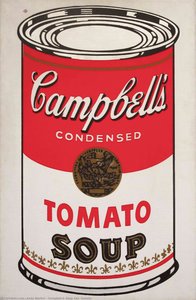
Retro Soup
Reproduksiyon Boyutu
“Retro Soup” is a quintessential example of Andy Warhol’s Pop Art, depicting the instantly recognizable Campbell's Tomato Soup can. The artwork presents a straightforward composition; the soup can dominates the frame, centrally positioned against a stark white background. This deliberate simplicity emphasizes the object's mass and presence, stripping away any extraneous detail to focus solely on its iconic form. Warhol’s choice of subject matter – an everyday consumer product – was revolutionary in its time, challenging traditional notions of what constituted "art." The centered composition and lack of perspective further contribute to the work's flat, two-dimensional aesthetic, characteristic of Warhol’s style.
“Retro Soup” embodies the core principles of Pop Art. This movement emerged in the 1960s as a reaction against Abstract Expressionism, embracing imagery from popular culture – advertising, comic books, consumer goods – and elevating it to an artistic level. Warhol’s technique was central to his vision. He primarily used silkscreen printing (also known as screenprinting), a process that allowed for the mass production of images with a distinctive, slightly mechanical quality. This method mirrored the industrial processes behind the very products he depicted, further blurring the lines between high art and commercial culture. The vibrant colors and bold outlines are hallmarks of Warhol’s signature style.
The creation of “Retro Soup” coincided with a period of significant cultural change in post-war America. Consumerism was on the rise, and mass production had become increasingly prevalent. Warhol's work directly addressed these societal shifts, commenting on the ubiquity of consumer goods and their impact on American identity. The Campbell’s soup can, a symbol of convenience and accessibility, became an emblem of this new era. By reproducing it in his artwork, Warhol questioned the distinction between "high" art (traditionally associated with originality and craftsmanship) and “low” culture (mass-produced items). The work also subtly critiques the homogenization of American life, where familiar brands like Campbell’s Soup were becoming increasingly standardized across the nation.
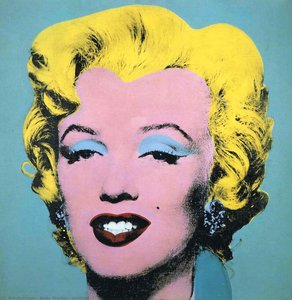
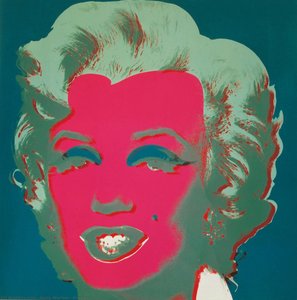
Despite its seemingly simple subject matter, "Retro Soup" evokes a range of emotions. It triggers feelings of familiarity and nostalgia, reminding viewers of childhood memories or shared cultural experiences. The artwork's bold colors and graphic style create a visually striking impact, while its underlying commentary on consumerism prompts reflection on our relationship with material possessions. “Retro Soup,” along with Warhol’s other iconic works like the Marilyn Monroe portraits and Brillo boxes, helped to redefine the boundaries of art and continues to inspire artists and designers today. It remains a powerful symbol of Pop Art's enduring legacy and its profound influence on contemporary culture.

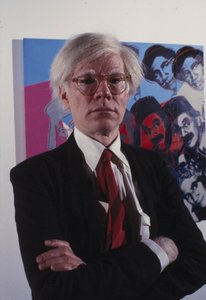
1928 - 1987 , Amerika Birleşik Devletleri

Explore the provocative world of Aggressive Pop Art. Discover how confrontational imagery, bold saturated hues, and mass media deconstruction redefined modern aesthetics through an expert art-historical lens.


En son sanat haberlerinden, özel tekliflerden ve dekorasyon fikirlerinden haberdar olun.
Projenizden bize bahsedin; sanat uzmanlarımız size özel 3 sanat eseri önerisi sunsun.
Size Özel 3 Seçeneği Ücretsiz Olarak Hazırlayalım!


 Önizleme yap
 Paylaş
 Paylaş
 Detayları Gör

 İndir
İndir
 Benzerlerini gör
 X-Işını
 Slayt Gösterisi

 Tümünü Gör







 Cam seçeneği yalnızca 110 cm altındaki boyutlar için mevcuttur.