x


 Tabloyu Sipariş Et Görseli Satın Al
 Paylaş
 Detayları Gör
 Favorilere ekle
 İndir
İndir
 Benzerlerini gör
 X-Işını
 Slayt Gösterisi
Hızlı üretim ve esnek bitiş seçenekleriyle müze kalitesinde giclée veya kanvas baskı.





























Eserin orijinal oranlarıyla uyumlu, önceden belirlenmiş boyutlarımız arasından seçim yapın.

Belirli bir çerçeveye veya alana uyması için kendi ölçülerinizi girebilirsiniz. Seçtiğiniz boyut orijinal görüntünün oranlarıyla eşleşmiyorsa, sanat eserini kırpacağız veya görüntüyü aynalanmış ya da düz dolgulu bir kenarlıkla genişleteceğiz. Üretim başlamadan önce onayınız için bir dijital taslak gönderilecektir.
Lütfen ekrandaki önizlemenin gerçek kırpma veya genişletmeyi yansıtmadığını unutmayın. Nihai kompozisyonu yalnızca taslak doğru bir şekilde gösterecektir.
Özel boyutlar mevcut olsa da, orijinal oranları korumak için önceden tanımlanmış listeden bir boyut seçmenizi öneririz.
Dünya Çapında Teslimat (); standart 4/5 hafta yerine 2 haftada. (23 Temmuz)


untitled (1574)
Reproduksiyon Boyutu
Michelangelo Merisi da Caravaggio, a name that reverberates through the annals of Baroque art history, wasn't merely a painter; he was a revolutionary who fundamentally altered artistic conventions. Born in Milan in 1571 amidst the turbulent backdrop of plague and familial loss—experiences profoundly shaping his worldview—Caravaggio’s early life instilled within him an unwavering empathy for human suffering, a preoccupation that would become central to his oeuvre.
His formative training under Simone Peterzano, a former pupil of Titian, provided him with the foundational skills of Renaissance painting. However, Caravaggio swiftly rejected these established traditions, forging instead a path characterized by audacious experimentation and an uncompromising commitment to realism. This rebellious spirit found its ultimate expression in Rome around 1592, where he wrestled for recognition amidst fierce competition and endured considerable hardship—challenges that fueled his artistic drive.
Caravaggio's genius lay not just in depicting biblical narratives with visceral immediacy but also in mastering a technique known as tenebrism – dramatic chiaroscuro. Unlike the subtle gradations of light prevalent in earlier Renaissance art, Caravaggio employed stark contrasts between darkness and illumination, creating an unsettling yet profoundly captivating visual experience. This masterful manipulation of light wasn’t merely stylistic; it served to heighten emotional impact, drawing viewers into the scene and emphasizing key figures—particularly Jesus—amidst oppressive gloom.
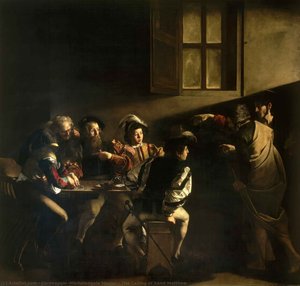
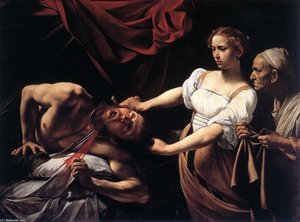
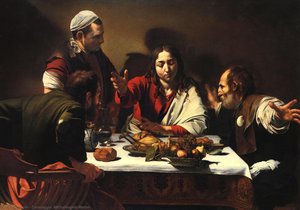
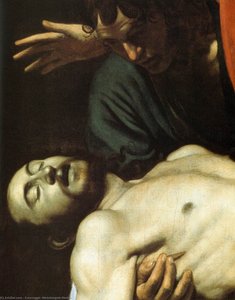
“Untitled (1574)” exemplifies Caravaggio's signature style perfectly. The depiction of Christ crucified embodies the core tenets of Baroque religious art: unflinching realism combined with intense emotional expression. The artist meticulously rendered every detail—the musculature of Jesus’s body, the texture of his garments—creating a portrait that transcends mere representation and aspires to evoke profound contemplation.
The inclusion of subtle symbolic elements – the book at the bottom left corner representing divine wisdom, and the vase atop the cross symbolizing resurrection – reinforces Caravaggio's thematic preoccupation with faith and redemption. The painting’s overall composition compels viewers to confront mortality and grapple with questions of spiritual significance.
Caravaggio’s influence extended far beyond the confines of Rome, impacting artists across Europe—most notably Rubens and Rembrandt—who adopted his tenebristic style. His groundbreaking approach irrevocably altered the course of Baroque painting, establishing a precedent for dramatic lighting and psychological depth that continues to inspire artists today.

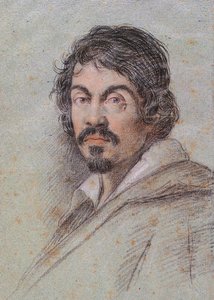
1571 - 1610 , İtalya
Barok sanatın en etkileyici 10 başyapıtını keşfedin! Caravaggio, Rembrandt ve daha fazlasının eserleriyle evinizi dönüştürün. Sanat tarihi, renkler ve duygularla dolu bu yolculukta Most-Famous-Paintings.com'da müze kalitesinde replikalar bulun. Koleksiyonu çevrimiçi inceleyin!

Explore the Italian Renaissance! Discover humanist ideals, iconic masterpieces by Leonardo, Michelangelo & Raphael, and lasting artistic innovations. A comprehensive guide for art enthusiasts.

Explore the dramatic world of Spanish Baroque art! Discover masters like Zurbarán & the powerful influence of religious zeal on painting techniques – a guide for collectors and enthusiasts.

Explore the rich history of religious iconography in art! Discover symbolism, movements & masterpieces from Byzantine to Renaissance periods. Expert insights for collectors and enthusiasts at Most-Famous-Paintings.

Explore the revolutionary realism of Caravaggio! Discover his mastery of light & shadow (tenebrism), dramatic religious scenes, and lasting influence on Baroque art history. A comprehensive guide for art enthusiasts.


En son sanat haberlerinden, özel tekliflerden ve dekorasyon fikirlerinden haberdar olun.
Projenizden bize bahsedin; sanat uzmanlarımız size özel 3 sanat eseri önerisi sunsun.
Size Özel 3 Seçeneği Ücretsiz Olarak Hazırlayalım!


 Paylaş


 Tümünü Gör







 Cam seçeneği yalnızca 110 cm altındaki boyutlar için mevcuttur.