


x

Çevrimiçi önizlemeden çok daha üstün, yüksek çözünürlüklü ve iyileştirilmiş bir dijital görüntü satın alın.
Her dosya, uzman ekibimiz tarafından gelişmiş araçlar ve titiz manuel rötuş teknikleri kullanılarak özenle hazırlanır. Her görüntünün olağanüstü netliğe, kusursuz renk doğruluğuna ve ince ayrıntılara sahip olduğundan emin oluruz.
Son dosya; profesyonel, editoryal ve baskı süreçlerinde anında kullanıma uygun şekilde optimize edilerek 72 saat içinde e-posta yoluyla teslim edilir. Bu, seçkin tasarım stüdyoları, yayıncılar ve galerilerin güvendiği aynı kalite standartlarındadır.
Kişisel sergileme, baskı ve yaratıcı projeleriniz için yüksek çözünürlüklü bir dosya indirin. ( Baskı satın al El yapımı tablo satın al)
Most-Famous-Paintings.com seçtiğinizde, sadece bir görsel edinmekle kalmaz; titizlikle hazırlanmış, profesyonelce iyileştirilmiş dijital bir sanat eserine sahip olur ve memnuniyet garantisiyle güvence altına alınırsınız. Siparişinizle birlikte otomatik olarak sunulan her şey şunlardır:

Yüksek çözünürlüklü dijital görüntü dosyanız, siparişinizin üzerinden en geç 72 saat geçmeden e-posta ile size gönderilecektir; hemen kullanıma hazırdır.

Sanat eseriniz; maksimum detay, netlik ve renk doğruluğu sağlamak amacıyla gelişmiş yapay zeka araçları ve manuel düzenleme kullanılarak profesyonelce optimize edilmektedir.

Dosyanızı yanlışlıkla mı sildiniz yoksa kayıp mı oldu? Endişelenmeyin; dosyanızı dilediğiniz zaman size ücretsiz olarak tekrar göndereceğiz.

Sanat eserinizin tadını gümrük vergisi, harç veya teslimat ücreti ödemeden anında çıkarın; dijital indirmeler her zaman vergiden muaftır.

Profesyonel araçlar ve renk yönetimi kullanarak dijital görselinizin orijinal renklere mümkün olduğunca yakın yansıtılmasını sağlıyoruz.

If you're not satisfied with your digital image, we'll revise it or refund 100% within 60 days - no questions asked.

Memnun kalmadınız mı? Dijital dosyanızı aldıktan sonraki 60 gün içinde, hiçbir soru sorulmaksızın tam iade alın.

Buy 3 images, save 10% - Buy 5, save 15% - Buy 10+, save 20%. Great for creative projects, galleries, and agencies.
Claude Monet's "Weeping Willow (8)" isn’t merely a depiction of a tree; it’s a distilled essence of melancholy, a poignant meditation on loss rendered in the vibrant, shimmering language of Impressionism. Painted in 1918, during a period of profound personal upheaval for the artist – following the deaths of his beloved wife, Alice, and his son, Jean, amidst the horrors of World War I – this work transcends its subject matter to become a universal symbol of sorrow and remembrance. The painting captures not just the physical form of the willow, but also the emotional weight it carries, reflecting Monet’s own internal struggles with grief and the unsettling atmosphere of a world shattered by conflict.
Monet's genius lies in his ability to capture fleeting moments of light and color, transforming the ordinary into the extraordinary. Here, he employs a technique characterized by loose, broken brushstrokes—a hallmark of Impressionism—to create an effect of shimmering movement and atmospheric depth. The tree’s foliage is rendered in a riot of purples, blues, and greens, not with photographic realism but with a sensitivity to color relationships that evoke both the beauty and the sadness inherent in nature. Notice how Monet doesn't meticulously detail each leaf; instead, he uses dabs and dashes of paint to suggest their form and texture, creating an impression of movement and vitality despite the underlying melancholy.
The painting’s historical context is crucial to understanding its emotional resonance. Created during a period of immense national mourning in France following the devastating losses of World War I, "Weeping Willow (8)" can be interpreted as a direct response to this collective grief. Monet, deeply affected by the loss of his family and witnessing the widespread suffering around him, channeled his emotions into his art. The willow tree itself has long been associated with mourning and sorrow in Western culture—its drooping branches mirroring the downward trajectory of despair. The painting’s placement within a series of willow studies further emphasizes this theme, suggesting a deliberate exploration of the subject's symbolic power.
Monet’s masterful use of light and color is central to the painting’s impact. He doesn’t aim for precise representation but rather to capture the *impression* of the scene—the way light filters through the leaves, the shifting hues of the sky, and the overall atmosphere of the moment. The painting is dominated by a diffused, almost ethereal light, creating a sense of both beauty and fragility. Observe how he uses complementary colors – such as purple and yellow – to intensify the vibrancy of the foliage and create visual interest. The loose brushwork allows for a remarkable luminosity, as if the paint itself is shimmering with reflected light.
Technically, "Weeping Willow (8)" was executed in oil on panel, a medium that allowed Monet to achieve both delicate detail and expressive brushstrokes. The texture of the panel surface subtly contributes to the painting’s overall effect, adding another layer of visual interest. The composition is carefully balanced, with the tree occupying a central position while the surrounding landscape provides context and depth. The inclusion of subtle details—such as the suggestion of a distant figure observing the tree—adds a sense of narrative and invites the viewer to contemplate the scene’s meaning.
Beyond its technical brilliance, "Weeping Willow (8)" is rich in symbolism. The willow tree itself represents mourning, loss, and remembrance – themes that resonated deeply with Monet during this period of personal tragedy. Its drooping branches evoke a sense of vulnerability and sorrow, while its vibrant colors suggest the enduring beauty of nature even in the face of adversity. The painting’s title—"Weeping Willow (8)"—hints at a larger body of work exploring this subject, suggesting a deliberate and sustained engagement with the tree's symbolic power.
Furthermore, the painting can be interpreted as a reflection on the passage of time and the inevitability of loss. The willow’s ancient roots symbolize the enduring nature of memory, while its delicate branches represent the fragility of life. Monet’s ability to capture these complex emotions with such sensitivity is what makes "Weeping Willow (8)" a truly remarkable work of art—a poignant reminder of the beauty and sorrow that coexist in the human experience.
Handmade oil painting reproductions of Monet's works, including “Weeping Willow (8),” are available on platforms like Most-Famous-Paintings.com, offering art enthusiasts and collectors a chance to own a piece of this iconic masterpiece. These reproductions meticulously capture the essence and beauty of the original painting, faithfully recreating Monet’s distinctive style and emotional depth. They serve as an accessible way to experience the power of Impressionism and appreciate Monet's profound artistic vision.
For those seeking further information on Claude Monet and his work, resources such as the Claude Monet page on Most-Famous-Paintings.com provide a wealth of biographical details, images, and scholarly articles. Additionally, museums like the Columbus Museum of Art (/art/list/?Filter=8YE8P6-Claude-Monet-Weeping-Willow) and the Allen Memorial Art Museum (/art/list/?Filter=A@D3C4WT-The-Allen-Memorial-Art-Museum-(United-States)) offer valuable collections and exhibitions dedicated to Monet’s legacy.

Oscar-Claude Monet, empresyonizmle özdeşleşmiş bir isim; sadece manzara ressamı değil, aynı zamanda anlık kaçışların kronik yazarı, ışık ve rengin şairiydi. 14 Kasım 1840'ta Paris’te doğmuş, hayatının ilk yıllarında ailesi beş yaşındayken kendini Le Havre, Normandiya’ya taşımışlardı. Babası tarafından öncelikle ticari bir kariyere yönlendirilmek istenmiş olsa da, genç Claude’un içindeki sanatsal yetenek kısa sürede ortaya çıkmış, önce yerel dükkanlarda satılan karikatürlerle kendini göstermişti – hem becerisinin hem de girişimcilik ruhunun kanıtı. Ancak Eugène Boudin ile karşılaşması dönüm noktası olmuştu. Boudin sadece ona resim yapmayı öğretmekle kalmamış, aynı zamanda onu tüm sanatsal yolculuğunu tanımlayacak bir uygulama olan doğrudan doğadan – en plein air – resim yapma fikrini aşılamıştı.
Monet’nin resmi eğitimi Paris’te başlamış, önce Académie Suisse'de, ardından Charles Gleyre altında kısa süreliğine eğitim almıştı. İşte burada Auguste Renoir gibi diğer sanatçılarla kalıcı dostluklar kurmuş, ortak sanatsal hayal kırıklıkları ve geleneksel akademik resmin kısıtlamalarından kurtulma arzusuyla şekillenen bir bağ oluşturmuşlardı. Erken dönem eserleri teknik yeterliliği gösterse de, tarzını karakterize edecek belirgin bir ses eksikti. Ardından çalkantılı bir dönem izlemiş – Fransız-Prusya Savaşı onu Londra’ya sığınmaya zorlamış ve burada J.M.W. Turner gibi İngiliz manzara ustalarının çalışmalarına kendisini kaptırmıştı, atmosferik etkilerini ve renk kullanımındaki yeniliklerini özümsüyordu.
Fransa'ya dönüşünde Monet, yükselen bir sanatsal isyanın merkezinde yer aldı. Salonun muhafazakar standartlarından hoşnut olmayan Monet, benzer fikirli sanatçılarla güçlerini birleştirerek bağımsız sergiler düzenledi. 1874 yılındaki sergi, sadece Monet için değil tüm sanat dünyası için de bir dönüm noktası oldu. İşte burada “Impression, soleil levant” (Gün Doğumu İzlenimi) adlı tablosu sergilendi ve bu eserden "empresyonizm" terimi doğdu – Le Havre limanının şafaktaki belirsiz bir tasviri. Ancak isim yakışmış, hareketin öznel bir sahnenin kesin temsili yerine *izlenimini* yakalamayı amaçlayan bir onur nişanı haline gelmişti.
Bu dönemde Monet’nin imza tarzı filizlendi: gevşek, görülebilir fırça darbeleri, yan yana uygulanan canlı ve genellikle karıştırılmamış renkler (bilinen “kırık renk” tekniği) ve ışığın geçici niteliklerini yakalamaya yönelik sarsılmaz bir odaklanma. Plein air pratiğine adanmışlığı sadece gördüklerini resmetmekle ilgili değildi, aynı zamanda ona göre değişen koşulların sahneyi değiştirmesinden önce kaybolan algılarını hızlıca kaydetmekti – sanatsal geleneklerden radikal bir kopuştu.
1883'te Monet, Paris’in kuzeybatısında Giverny’de yerleşerek hem sığınağını hem de en büyük ilham kaynağını oluşturacak bir ev ve bahçe kurdu. Mülkü dikkatlice egzotik çiçekler, ağlayan söğütler ve en ünlüsü su lili havuzu ile kaplı gösterişli bir cennete dönüştürdü – üzerinde Japon köprüsü bulunuyordu. Bu sadece dekoratif bir bahçe değildi; Monet’nin ışığın suyu, yaprakları ve yansımaları üzerindeki etkilerini kontrollü koşullarda inceleyebileceği yaşayan bir laboratuvardı.
Hayatının son dönemleri neredeyse tamamen Giverny'deki su lili havuzunu resmetmeye adanmıştı. Muazzam boyutlarda tuvallerden oluşan Nymphéas (Su Lilleri) serisine girişti, havuzun yüzeyini sürekli değişen renk ve ışık dokusu olarak tasvir etti. Bunlar sadece çiçeklerin resimleri değildi; izleyiciyi dingin güzellik ve düşünceli bir sessizliğin dünyasına hapsedmek için tasarlanmış sürükleyici deneyimlerdi. Bu eserlerin ölçeği nefes kesici, geleneksel resmin sınırlarını zorluyor ve soyut dışavurumculuğu önceden haber veriyordu.
Claude Monet’nin sanat tarihindeki etkisi ölçülemez. O sadece empresyonizmin kurucusu değil, aynı zamanda çevresindeki dünyayı algılama ve temsil etme biçimini temelden değiştirmiştir. Öznel deneyime verdiği önem, plein air resimlerini benimsemesi ve yenilikçi teknikleri, modern sanatın soyutlamayı ve temsilsiz formları keşfetmesine öncülük etmiştir.
Monet, çağının avangart sanatçıları için nadir bir durum olan hayatı boyunca önemli ticari başarılar elde etti. Eserleri günümüzde de tüm dünyada izleyicileri hayran bırakmaya ve büyülemeye devam ediyor, böylece Batı sanatı tarihindeki en önemli figürlerden biri olarak yerini sağlamlaştırıyor. Önemli başyapıt koleksiyonları Musée d'Orsay ve Paris’teki Musée Marmottan Monet gibi seçkin kurumlarda bulunuyor, böylece vizyonunun dünya üzerinde parlamaya devam etmesi sağlanıyor.
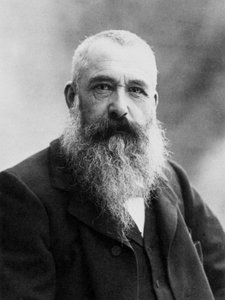
1840 - 1926 , Fransa


En son sanat haberlerinden, özel tekliflerden ve dekorasyon fikirlerinden haberdar olun.
Projenizden bize bahsedin; sanat uzmanlarımız size özel 3 sanat eseri önerisi sunsun.
Size Özel 3 Seçeneği Ücretsiz Olarak Hazırlayalım!


 Önizleme yap
 Paylaş
 Paylaş
 Detayları Gör

 İndir
İndir
 Benzerlerini gör
 X-Işını
 Slayt Gösterisi

 Tümünü Gör


