x

 Baskıyı satın al Görseli Satın Al
 Paylaş
 Detayları Gör
 Favorilere ekle
 İndir
İndir
 Benzerlerini gör
 X-Işını
 Slayt Gösterisi
 DigitalDigitalPop Art
 2008
2008 84.0 x 80.0 cm
 Mathaf: Arap Modern Sanat Müzesi
Sanatçılarımız tarafından sipariş üzerine hazırlanan; istediğiniz boyut ve çerçevede, tuval üzerine el boyaması yağlı boya.
Eserin orijinal oranlarıyla uyumlu, önceden belirlenmiş boyutlarımız arasından seçim yapın.

Belirli bir çerçeveye veya alana uyması için kendi boyutlarınızı girebilirsiniz. Seçtiğiniz boyut orijinal görüntünün oranlarıyla eşleşmiyorsa, sanat eserini kırparak veya ek el boyaması öğelerle resmi uzatarak ayarlayacağız. Üretim başlamadan önce onayınız için dijital bir taslak gönderilecektir.
Lütfen ekrandaki önizlemenin gerçek kırpmayı veya uzatmayı yansıtmadığını unutmayın. Nihai kompozisyonu yalnızca hazırlanan taslak doğru şekilde gösterecektir.
Özel boyutlar mevcut olsa da, orijinal oranları korumak adına önceden tanımlanmış listeden bir boyut seçmenizi öneririz.
Dünya Çapında Teslimat (); standart 5 hafta yerine 3/4 haftada. (18 Temmuz). Kaliteden ödün verilmez.


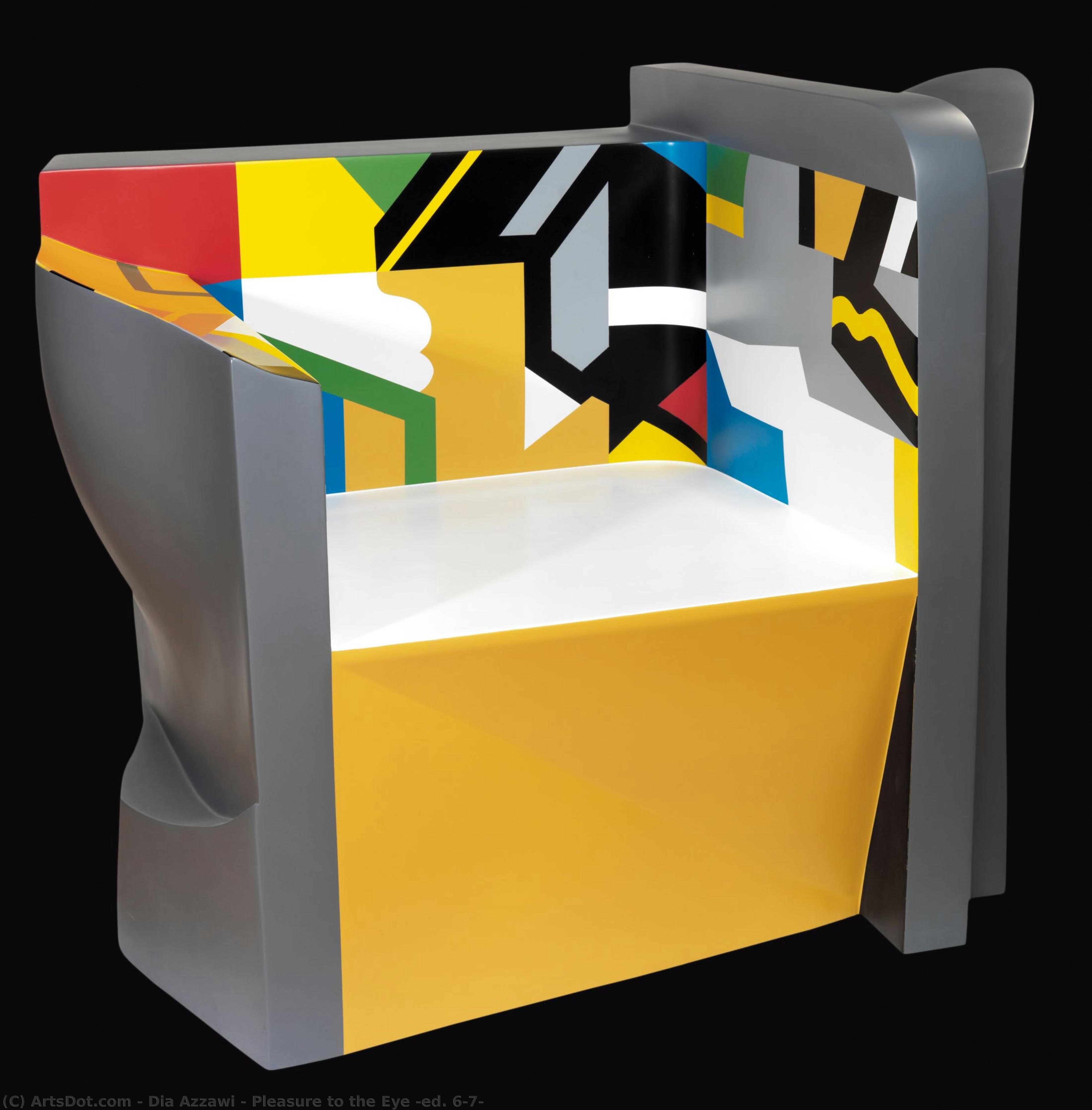
Pleasure to the Eye (ed. 6/7)
Reproduksiyon Boyutu
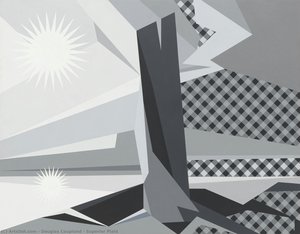
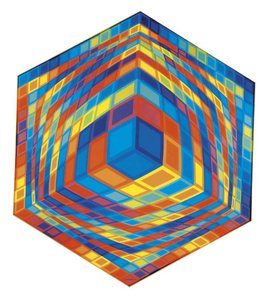
Dia al-Azzawi's "Pleasure to the Eye," created in 2008, isn’t merely a depiction of a file folder; it’s an arresting meditation on information overload and the fragmented nature of modern experience. This digital painting, rendered in bold geometric shapes and a striking color palette, immediately commands attention with its dynamic composition – a seemingly chaotic arrangement that belies a carefully considered structure. The artwork's power lies not in realistic representation but in its evocative abstraction, inviting viewers to contemplate the visual language of data and the complexities of contemporary life.
The piece’s foundation is undeniably Pop Art, drawing influence from artists like Andy Warhol with its embrace of vibrant color blocking and simplified forms. However, al-Azzawi elevates this style through a distinctly geometric sensibility, reminiscent of Constructivism and Minimalism. The dominant shapes – squares, rectangles, and triangles – are meticulously placed, creating a sense of controlled chaos that mirrors the overwhelming flow of information in our digital age. The stark black background serves to amplify these colors, pushing them forward and emphasizing their sharp edges, contributing to an overall feeling of intensity.
Understanding “Pleasure to the Eye” requires acknowledging Dia al-Azzawi's profound connection to his Iraqi heritage. Born in Baghdad in 1939, al-Azzawi’s life and work are inextricably linked to the turbulent history of his homeland – a nation grappling with political upheaval, cultural shifts, and the echoes of ancient civilizations. His early exposure to Mesopotamian ruins and Arabic calligraphy instilled within him a deep appreciation for symbolism and narrative, elements that permeate his entire oeuvre. As documented in biographical accounts, al-Azzawi’s artistic journey was shaped by experiences witnessing war and conflict, leading him to use art as a voice for the silenced – a mission powerfully reflected in this work.
His involvement with groups like the New Vision movement, founded in 1968, further solidified his commitment to challenging conventional artistic norms. This group sought to fuse traditional Arab aesthetics with contemporary expression, reflecting a desire to preserve cultural identity while embracing innovation. Al-Azzawi’s work embodies this spirit, blending geometric abstraction with references to Iraqi folklore and history – subtly hinting at the rich tapestry of his cultural roots.
The deliberate use of form is central to the artwork's impact. The file folder itself, a ubiquitous symbol of organization and information management, is deconstructed into its fundamental geometric components. This fragmentation suggests not just the act of storing data but also the process of breaking down complex ideas into digestible fragments – a metaphor for the way we navigate the digital world. The bold color palette—a vibrant mix of yellows, blues, reds, and greens—adds to this sense of dynamism and energy. These colors aren’t merely decorative; they evoke associations with communication, technology, and perhaps even the intensity of human emotion.
Furthermore, the angular lines that define the folder's surfaces contribute to a feeling of tension and movement. They suggest a relentless flow of information, mirroring the constant stream of data we encounter daily. While overtly abstract, “Pleasure to the Eye” invites viewers to interpret its symbolism – prompting questions about the nature of knowledge, the challenges of communication, and the impact of technology on our perception of reality.
Created in 2008, “Pleasure to the Eye” possesses a remarkable prescience. In an era defined by ubiquitous digital devices and constant connectivity, al-Azzawi's exploration of information overload feels strikingly relevant today. The artwork serves as a potent reminder of the potential for sensory overload and the importance of mindful engagement with the world around us. Its bold aesthetic and layered symbolism continue to resonate with viewers seeking to understand the complexities of contemporary life – making it a compelling piece for collectors, interior designers, and anyone interested in the intersection of art, technology, and culture.


1939 - , Irak

New York Metropolitan Müzesi'nin en ikonik 25 eserini keşfedin! Van Gogh, Monet ve Rembrandt gibi ustaların hikayelerini öğrenin. Eviniz için sanat baskısı ve dekorasyon fikirleri Most-Famous-Paintings.com'da. Koleksiyonu şimdi inceleyin!
Fernand Léger'nin en iyi 25 eserini keşfedin! Kübist ve tübülist tarzıyla modern sanata yön veren bu ikonik tabloların hikayelerini okuyun. Ev dekorasyonunuz için ilham alın, yüksek kaliteli sanat baskılarıyla Most-Famous-Paintings’ta sanatı yaşayın. Şimdi koleksiyonu keşfedin!

James Abbott McNeill Whistler'ın en iyi 25 eserini keşfedin! Amerikan empresyonizminin öncüsü Whistler'ın nocturne resimleri, portreleri ve sanat tarihine damga vuran diğer başyapıtları Most-Famous-Paintings.com'da. Ev dekorasyonunuz için lüks tabloları inceleyin.
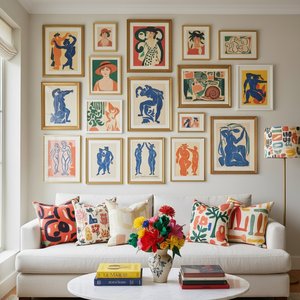
Henri Matisse'ın en ikonik 25 eserini keşfedin! Fauvism akımının öncüsü olan bu modern sanat dehasının renkli dünyasına yolculuk yapın. Sanat baskıları ve ev dekorasyonu için Most-Famous-Paintings.com'da ilham alın. Koleksiyonu şimdi keşfedin!
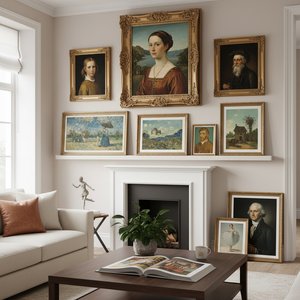
Washington Ulusal Sanat Galerisi'nin en etkileyici 25 eserini keşfedin! Paul Cézanne, Matisse ve Picasso gibi ustaların hikayelerini öğrenin. Eviniz için sanat ilhamı ve yüksek kaliteli tablolar Most-Famous-Paintings.com’da sizi bekliyor. Koleksiyonu şimdi keşfedin!


En son sanat haberlerinden, özel tekliflerden ve dekorasyon fikirlerinden haberdar olun.
Projenizden bize bahsedin; sanat uzmanlarımız size özel 3 sanat eseri önerisi sunsun.
Size Özel 3 Seçeneği Ücretsiz Olarak Hazırlayalım!


 Paylaş

 Tümünü Gör




































 Cam seçeneği yalnızca 110 cm altındaki boyutlar için mevcuttur.