x

Sanatçılarımız tarafından sipariş üzerine hazırlanan; istediğiniz boyut ve çerçevede, tuval üzerine el boyaması yağlı boya. ( Baskı satın al Görsel satın al)





























Eserin orijinal oranlarıyla uyumlu, önceden belirlenmiş boyutlarımız arasından seçim yapın.

Belirli bir çerçeveye veya alana uyması için kendi boyutlarınızı girebilirsiniz. Seçtiğiniz boyut orijinal görüntünün oranlarıyla eşleşmiyorsa, sanat eserini kırparak veya ek el boyaması öğelerle resmi uzatarak ayarlayacağız. Üretim başlamadan önce onayınız için dijital bir taslak gönderilecektir.
Lütfen ekrandaki önizlemenin gerçek kırpmayı veya uzatmayı yansıtmadığını unutmayın. Nihai kompozisyonu yalnızca hazırlanan taslak doğru şekilde gösterecektir.
Özel boyutlar mevcut olsa da, orijinal oranları korumak adına önceden tanımlanmış listeden bir boyut seçmenizi öneririz.
Dünya Çapında Teslimat (); standart 5 hafta yerine 3/4 haftada. (20 Ağustos). Kaliteden ödün verilmez.


Le philosophe
Reproduksiyon Boyutu
Édouard Manet's "Le Philosophe" (1867) isn’t merely a portrait; it’s a carefully constructed tableau vivant, a snapshot of late 19th-century Paris imbued with an atmosphere of quiet introspection. The painting immediately draws the viewer in with its stark black and white palette – a deliberate choice that elevates the scene beyond simple representation, lending it a timeless quality reminiscent of early photography or even charcoal sketches. At first glance, the subject appears unremarkable: a man standing on a street corner, hands tucked into his pockets, gazing down as if lost in thought. However, closer observation reveals a wealth of subtle details and symbolic elements that speak to Manet’s innovative approach to depicting modern life.
Manet's technique is characterized by a loose, almost sketch-like quality, eschewing the meticulous detail favored by academic painters of the time. Brushstrokes are visible, creating a sense of immediacy and capturing the fleeting moment. He employs a limited range of tones – primarily grays and whites – to sculpt form and create depth without relying on traditional shading. This deliberate simplification was revolutionary for its era, moving away from the illusionistic realism of earlier painters and embracing a more direct, observational approach. The composition itself is carefully balanced; the man’s solitary figure occupies the center of the frame, while figures in the background—a woman carrying a bowl and another individual further down the street—add context without disrupting the primary focus.
“Le Philosophe” isn't simply about depicting a man on a street; it’s about conveying an emotional state. The figure’s posture – slumped shoulders, downward gaze – immediately communicates a sense of solitude and contemplation. He appears lost in thought, perhaps wrestling with philosophical questions or simply observing the world around him. The setting itself—a bustling Parisian street—contrasts sharply with his internal state, highlighting his isolation. The bowl near the bottom center could represent nourishment for the mind, suggesting that the philosopher’s journey is one of intellectual sustenance.
Manet was deeply interested in capturing the psychological realities of modern life, and this painting exemplifies his ability to do so. He wasn't simply recording a scene; he was attempting to evoke an atmosphere—a feeling of quiet melancholy and profound reflection. The lack of vibrant color further enhances this mood, creating a sense of detachment and emphasizing the subject’s internal world.
“Le Philosophe” stands as a pivotal work in Manet's artistic development, bridging the gap between Realism and Impressionism. While rooted in the observational techniques of Realism—his focus on contemporary life and rejection of idealized forms—it also anticipates the loose brushwork and emphasis on light and atmosphere characteristic of Impressionism. Manet’s use of stark contrasts and simplified forms paved the way for later artists to explore new ways of representing the world around them.
The painting's initial reception was mixed, as with many of Manet’s works. Critics were initially perplexed by his unconventional style and subject matter, struggling to reconcile it with established artistic conventions. However, over time, “Le Philosophe” has come to be recognized as a masterpiece—a poignant meditation on the human condition and a testament to Manet's groundbreaking vision.
Most-Famous-Paintings offers meticulously hand-painted reproductions of Édouard Manet’s “Le Philosophe,” allowing you to experience this iconic artwork in stunning detail. Our skilled artists faithfully recreate Manet’s unique style and atmosphere, ensuring that your reproduction captures the painting's emotional depth and artistic brilliance. Whether displayed as a statement piece in your living room or a thoughtful addition to your study, a Most-Famous-Paintings reproduction of “Le Philosophe” will serve as a constant reminder of Manet’s legacy and his profound insights into the complexities of human experience.


1832 - 1883 , Fransa
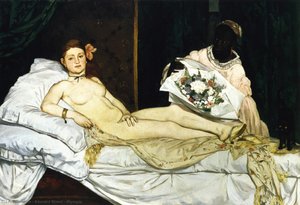
Édouard Manet'nin en iyi 25 eserini keşfedin! Le Déjeuner sur l'herbe, Olympia ve daha fazlası... Sanat tarihi, teknikler ve ilham verici hikayeler Most-Famous-Paintings'ta. Ev dekorasyonunuz için yüksek kaliteli sanat baskıları şimdi online!

Journey through Impressionistic Realism with 10 iconic masterpieces by Monet, Renoir & Van Gogh. Explore art history, techniques & find museum-quality reproductions for your home at Most-Famous-Paintings.com. Discover all masterpieces online!

Explore 10 defining masterpieces of Romantic Realism! Discover Courbet, Millet & Daumier's powerful paintings—capturing emotion and social realities. Find museum-quality reproductions for your home at Most-Famous-Paintings.com.

Journey through Impressionism's heart with 10 iconic paintings by Monet, Renoir & Degas. Explore light, color & the stories behind these masterpieces. Find museum-quality art reproductions and elevate your home decor on Most-Famous-Paintings.com.
İzlenimciliğin en etkileyici 10 başyapıtını keşfedin! Monet, Renoir ve Degas gibi ustaların eserleriyle sanat tarihine ışık tutun. Evinizi Most-Famous-Paintings'ın benzersiz duvar sanatı koleksiyonuyla güzelleştirin. Sanat satın al & dekore edin! Most-Famous-Paintings.com


En son sanat haberlerinden, özel tekliflerden ve dekorasyon fikirlerinden haberdar olun.
Projenizden bize bahsedin; sanat uzmanlarımız size özel 3 sanat eseri önerisi sunsun.
Size Özel 3 Seçeneği Ücretsiz Olarak Hazırlayalım!


 Önizleme yap
 Paylaş
 Paylaş
 Detayları Gör

 İndir
İndir
 Benzerlerini gör
 X-Işını
 Slayt Gösterisi

 Tümünü Gör







 Cam seçeneği yalnızca 110 cm altındaki boyutlar için mevcuttur.