


x
Hızlı üretim ve esnek bitiş seçenekleriyle müze kalitesinde giclée veya kanvas baskı. ( El yapımı tablo satın al Görsel satın al)





























Eserin orijinal oranlarıyla uyumlu, önceden belirlenmiş boyutlarımız arasından seçim yapın.

Belirli bir çerçeveye veya alana uyması için kendi ölçülerinizi girebilirsiniz. Seçtiğiniz boyut orijinal görüntünün oranlarıyla eşleşmiyorsa, sanat eserini kırpacağız veya görüntüyü aynalanmış ya da düz dolgulu bir kenarlıkla genişleteceğiz. Üretim başlamadan önce onayınız için bir dijital taslak gönderilecektir.
Lütfen ekrandaki önizlemenin gerçek kırpma veya genişletmeyi yansıtmadığını unutmayın. Nihai kompozisyonu yalnızca taslak doğru bir şekilde gösterecektir.
Özel boyutlar mevcut olsa da, orijinal oranları korumak için önceden tanımlanmış listeden bir boyut seçmenizi öneririz.
Dünya Çapında Teslimat (); standart 4/5 hafta yerine 2 haftada. (18 Ağustos)


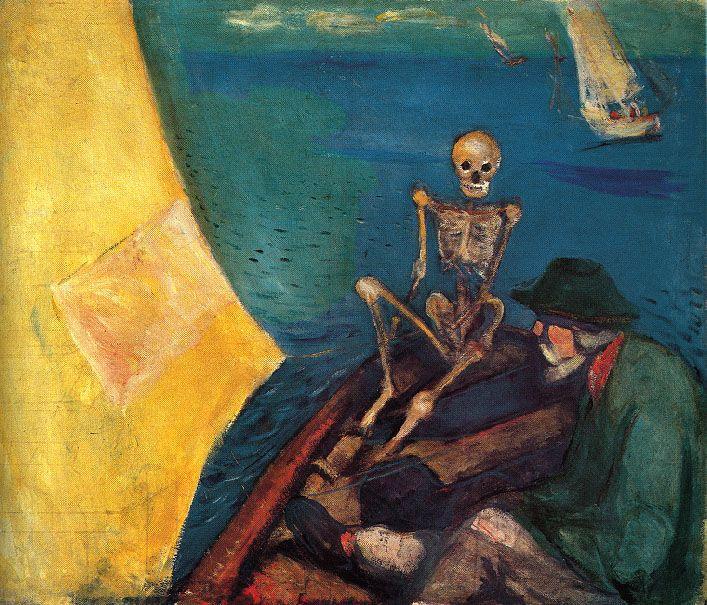
Death at the helm
Reproduksiyon Boyutu
Edvard Munch’s Death at the Helm stands as a haunting testament to existential anxieties and the inescapable grip of mortality—themes central to Munch’s artistic vision and profoundly influential on Expressionism.
Painted in 1893 during Munch's formative years, this artwork transcends mere depiction; it embodies a visceral reaction to the encroaching darkness of fate. The scene unfolds against a turbulent seascape dominated by bruised purples and yellows—a sunset mirroring the inner turmoil simmering beneath Munch’s surface.
At its core lies a shipwrecked vessel, gripped by monstrous waves, with a lone helmsman clinging desperately to the wheel. This figure isn't merely battling the elements; he represents humanity wrestling against forces beyond comprehension – a struggle mirrored in Munch’s own battles with illness and psychological distress.
Munch’s masterful use of color—particularly the jarring juxtaposition of crimson and ochre—amplifies the painting’s emotional intensity. Bold brushstrokes convey movement and energy, mirroring the chaotic nature of existence itself. The loose technique eschews meticulous detail in favor of capturing the raw emotion of the moment.
Symbolically, Death at the Helm speaks to a broader philosophical inquiry into the human condition. The helmsman’s posture—rigid yet vulnerable—suggests an awareness of impending doom while simultaneously striving for control – a poignant reflection of our inherent desire to shape destiny.
The painting's legacy extends far beyond its aesthetic qualities. It resides in its ability to evoke profound contemplation about life, death, and the confrontation with uncertainty. Munch’s exploration of psychological landscapes continues to resonate powerfully with artists and audiences alike.
It finds a prominent place within the Museum Ateneum in Helsinki, Finland—a testament to its enduring artistic merit. For those seeking to immerse themselves in Munch's oeuvre and appreciate his groundbreaking contribution to modern art, visit https://Most-Famous-Paintings.com/@/Edvard-Munch.
To acquire a breathtaking oil painting reproduction of Death at the Helm, explore Most-Famous-Paintings: /en/art/show/art-8xx8vf-en/.
Munch’s artistic genius lay in his ability to distill complex emotions into visual form—a skill exemplified by Death at the Helm. Through meticulous observation and fearless experimentation, Munch captured not merely what he saw but what he felt—a pioneering approach that cemented his position as one of the most important artists of the late nineteenth century.

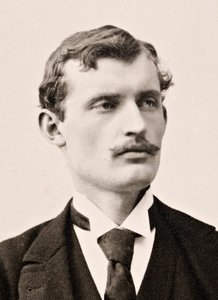
1863 - 1944 , İsveç

Explore the profound history of Expressionism. From Edvard Munch to Jackson Pollock, discover how artists used distortion and color to convey raw emotion. A definitive guide for art lovers seeking deep historical context and mastery in fine art reproductions.

Explore the profound emotional depth of Expressionist portraiture. From Edvard Munch to Francis Bacon, discover how masters used distortion and color to reveal inner truths. Learn about this pivotal movement and find museum-quality oil reproductions for your collection.


En son sanat haberlerinden, özel tekliflerden ve dekorasyon fikirlerinden haberdar olun.
Projenizden bize bahsedin; sanat uzmanlarımız size özel 3 sanat eseri önerisi sunsun.
Size Özel 3 Seçeneği Ücretsiz Olarak Hazırlayalım!


 Önizleme yap
 Paylaş
 Paylaş
 Detayları Gör

 İndir
İndir
 Benzerlerini gör
 X-Işını
 Slayt Gösterisi

 Tümünü Gör







 Cam seçeneği yalnızca 110 cm altındaki boyutlar için mevcuttur.


