


x

Sanatçılarımız tarafından sipariş üzerine hazırlanan; istediğiniz boyut ve çerçevede, tuval üzerine el boyaması yağlı boya. ( Baskıya Geç Görsele Geç)





























Eserin orijinal oranlarıyla uyumlu, önceden belirlenmiş boyutlarımız arasından seçim yapın.

Belirli bir çerçeveye veya alana uyması için kendi boyutlarınızı girebilirsiniz. Seçtiğiniz boyut orijinal görüntünün oranlarıyla eşleşmiyorsa, sanat eserini kırparak veya ek el boyaması öğelerle resmi uzatarak ayarlayacağız. Üretim başlamadan önce onayınız için dijital bir taslak gönderilecektir.
Lütfen ekrandaki önizlemenin gerçek kırpmayı veya uzatmayı yansıtmadığını unutmayın. Nihai kompozisyonu yalnızca hazırlanan taslak doğru şekilde gösterecektir.
Özel boyutlar mevcut olsa da, orijinal oranları korumak adına önceden tanımlanmış listeden bir boyut seçmenizi öneririz.
Dünya Çapında Teslimat (); standart 5 hafta yerine 3/4 haftada. (31 Temmuz). Kaliteden ödün verilmez.


Despair
Reproduksiyon Boyutu
Edvard Munch's "Despair" is a profoundly moving oil on canvas painting created in 1892, serving as a quintessential representation of the artist’s unique style blending Expressionism and Symbolism. This artwork isn't merely a depiction; it's an exploration of human suffering, isolation, and the weight of existence.
The scene portrays a solitary man seated at a piano in a dimly lit room, his head bowed in what appears to be deep contemplation or despair. Two figures are faintly visible in the background – one standing to the left and another further back on the right – observing the central figure with an air of detachment. The color palette is dominated by dark, muted tones that amplify the somber atmosphere. Thick, expressive brushstrokes contribute to a sense of unease and movement, while the simplified landscape below recedes into the distance, emphasizing the man's isolation.
Munch masterfully employs Expressionist techniques to convey intense emotions. The bold use of color and distorted forms are not meant to represent reality accurately but rather to express an inner emotional state. The dark hues evoke a sense of melancholy and hopelessness, while the slumped posture of the central figure symbolizes resignation or despair. Symbolism is also prevalent; the piano itself can be interpreted as representing creativity and emotional expression, yet in this context, it seems unable to alleviate the man's suffering. The figures in the background represent the indifference of society towards individual struggles.
“Despair” was created during a period of significant personal turmoil for Munch. His childhood was marked by loss and illness, including the deaths of his mother and sister from tuberculosis – events that profoundly impacted his artistic vision. This painting reflects the anxieties and psychological struggles prevalent in late 19th-century Europe, a time of rapid industrialization and social change that often led to feelings of alienation and despair. Munch's own battles with mental health further fueled the emotional intensity of his work.
“Despair” resonates deeply with viewers due to its raw portrayal of human suffering and isolation. It’s a powerful reminder of the fragility of the human condition and the universality of feelings like loneliness and despair. Munch's influence on modern art is undeniable, paving the way for future generations of artists who sought to express their inner worlds through bold and expressive styles. The painting continues to captivate audiences worldwide, offering a glimpse into the complexities of the human experience that transcends time and culture.


1863 - 1944 , İsveç

Edvard Munch'ın en ikonik 25 eserini keşfedin! Çığlık, Melankoli ve daha fazlası... Ekspresyonizm sanatının duygusal derinliğini Most-Famous-Paintings ile evinize taşıyın. Yüksek kaliteli sanat baskıları ve dekorasyon fikirleri için tıklayın.

Explore the rich history & enduring techniques of oil painting with Most-Famous-Paintings. Discover masterpieces, learn about art collecting, and find authentic handmade reproductions crafted by skilled artists.
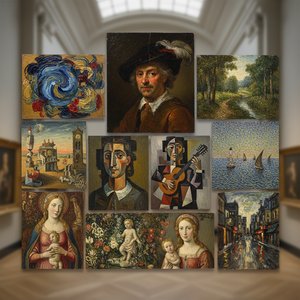
Explore 10 legendary 'Oil on Board' masterpieces by Van Gogh, Monet & more! Discover art history, iconic styles like Impressionism, and find museum-quality reproductions to elevate your home decor. Explore the full collection online at Most-Famous-Paintings.com.
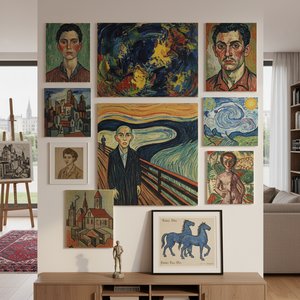
İfadeciliğin zirvesi! Van Gogh, Munch ve daha fazlasıyla 10 başyapıtı keşfedin. Sanatın duygusal gücünü deneyimleyin ve evinizi Most-Famous-Paintings'tan kaliteli sanat baskılarıyla dönüştürün. Keşfetmek için tıklayın!

Claude Monet'nin en iyi 25 eserini keşfedin! İzlenimci sanatın büyülü dünyasına dalın, her tablonun hikayesini öğrenin. Ev dekorasyonunuz için yüksek kaliteli sanat reproduksiyonları Most-Famous-Paintings'ta. Koleksiyonu şimdi keşfedin!


En son sanat haberlerinden, özel tekliflerden ve dekorasyon fikirlerinden haberdar olun.
Projenizden bize bahsedin; sanat uzmanlarımız size özel 3 sanat eseri önerisi sunsun.
Size Özel 3 Seçeneği Ücretsiz Olarak Hazırlayalım!


 Önizleme yap
 Paylaş
 Paylaş
 Detayları Gör

 İndir
İndir
 Benzerlerini gör
 X-Işını
 Slayt Gösterisi

 Tümünü Gör







 Cam seçeneği yalnızca 110 cm altındaki boyutlar için mevcuttur.


