


x


 Preview
 Baskıyı satın al Görseli Satın Al
 Paylaş
 Detayları Gör
 Favorilere ekle
 İndir
İndir
 Benzerlerini gör
 X-Işını
 Slayt Gösterisi
Sanatçılarımız tarafından sipariş üzerine hazırlanan; istediğiniz boyut ve çerçevede, tuval üzerine el boyaması yağlı boya.





























Eserin orijinal oranlarıyla uyumlu, önceden belirlenmiş boyutlarımız arasından seçim yapın.

Belirli bir çerçeveye veya alana uyması için kendi boyutlarınızı girebilirsiniz. Seçtiğiniz boyut orijinal görüntünün oranlarıyla eşleşmiyorsa, sanat eserini kırparak veya ek el boyaması öğelerle resmi uzatarak ayarlayacağız. Üretim başlamadan önce onayınız için dijital bir taslak gönderilecektir.
Lütfen ekrandaki önizlemenin gerçek kırpmayı veya uzatmayı yansıtmadığını unutmayın. Nihai kompozisyonu yalnızca hazırlanan taslak doğru şekilde gösterecektir.
Özel boyutlar mevcut olsa da, orijinal oranları korumak adına önceden tanımlanmış listeden bir boyut seçmenizi öneririz.
Dünya Çapında Teslimat (); standart 5 hafta yerine 3/4 haftada. (27 Temmuz). Kaliteden ödün verilmez.


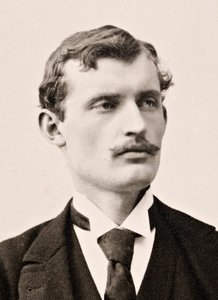
Eberhard Grisebach
Reproduksiyon Boyutu
Edvard Munch's "Eberhard Grisebach," painted in 1893, isn’t merely a depiction of a man; it’s an embodiment of existential dread—a visual distillation of the anxieties that gripped Europe at the cusp of the 20th century. This striking portrait transcends simple representation, delving into the psychological depths of its subject and reflecting Munch's own turbulent inner life.
Historical Context: Painted during Munch’s formative years as an artist, “Eberhard Grisebach” sits squarely within the broader context of Symbolist and Expressionist movements. These artistic currents reacted against Impressionism’s focus on objective observation, prioritizing instead subjective experience and emotional intensity. The painting reflects the pervasive disillusionment following Nietzsche's proclamation that God is dead—a philosophical tremor that shook Europe and fueled a profound questioning of traditional values.
Symbolism & Emotional Impact: Munch meticulously employs symbolism to communicate his psychological concerns. The red suit, often associated with passion and authority, paradoxically underscores the figure’s vulnerability. The downward gaze symbolizes introspection and perhaps despair—a refusal to confront the horrors of existence. Most powerfully, however, is the unsettling backdrop. Two figures loom in the periphery, representing external pressures and anxieties that threaten to engulf the central subject. Their presence amplifies the feeling of isolation and reinforces Munch's preoccupation with mortality.

1863 - 1944 , İsveç

Most-Famous-Paintings ile anılarınızı ölümsüzleştirin! Usta sanatçılarımızla el yapımı yağlı boya portreler ve ünlü tablo replikaları. Evinizi kişiselleştirin, sanatsal bir miras yaratın. Güvenilir hizmet, benzersiz kalite.

Explore the profound emotional depth & formal innovations of abstract painting. Discover key artists like Rothko & Kandinsky, understand art collecting insights, and elevate your space with timeless masterpieces. Expert analysis for discerning collectors.

Transform your cherished photos into timeless oil paintings with Most-Famous-Paintings's expert artists. Museum-quality reproductions & custom portraits, crafted to last a lifetime. Discover the art of personal legacy.

Explore the raw emotion of Expressionism with Most-Famous-Paintings. Discover its history, key artists like Kirchner & Munch, and lasting influence on modern art. Expert insights for collectors & enthusiasts.

Explore the world of acrylic painting! Discover its rich history, essential techniques, contemporary applications & renowned artists. Expert guide for beginners to professionals.


En son sanat haberlerinden, özel tekliflerden ve dekorasyon fikirlerinden haberdar olun.
Projenizden bize bahsedin; sanat uzmanlarımız size özel 3 sanat eseri önerisi sunsun.
Size Özel 3 Seçeneği Ücretsiz Olarak Hazırlayalım!


 Paylaş


 Tümünü Gör







 Cam seçeneği yalnızca 110 cm altındaki boyutlar için mevcuttur.


