


x

 Oil On CanvasWallArtExpressionism
 1894Modern
 136.0 x 110.0 cm
Çevrimiçi önizlemeden çok daha üstün, yüksek çözünürlüklü ve iyileştirilmiş bir dijital görüntü satın alın.
Her dosya, uzman ekibimiz tarafından gelişmiş araçlar ve titiz manuel rötuş teknikleri kullanılarak özenle hazırlanır. Her görüntünün olağanüstü netliğe, kusursuz renk doğruluğuna ve ince ayrıntılara sahip olduğundan emin oluruz.
Son dosya; profesyonel, editoryal ve baskı süreçlerinde anında kullanıma uygun şekilde optimize edilerek 72 saat içinde e-posta yoluyla teslim edilir. Bu, seçkin tasarım stüdyoları, yayıncılar ve galerilerin güvendiği aynı kalite standartlarındadır.
Kişisel sergileme, baskı ve yaratıcı projeleriniz için yüksek çözünürlüklü bir dosya indirin. ( Baskı satın al El yapımı tablo satın al)
Most-Famous-Paintings.com seçtiğinizde, sadece bir görsel edinmekle kalmaz; titizlikle hazırlanmış, profesyonelce iyileştirilmiş dijital bir sanat eserine sahip olur ve memnuniyet garantisiyle güvence altına alınırsınız. Siparişinizle birlikte otomatik olarak sunulan her şey şunlardır:

Yüksek çözünürlüklü dijital görüntü dosyanız, siparişinizin üzerinden en geç 72 saat geçmeden e-posta ile size gönderilecektir; hemen kullanıma hazırdır.

Sanat eseriniz; maksimum detay, netlik ve renk doğruluğu sağlamak amacıyla gelişmiş yapay zeka araçları ve manuel düzenleme kullanılarak profesyonelce optimize edilmektedir.

Dosyanızı yanlışlıkla mı sildiniz yoksa kayıp mı oldu? Endişelenmeyin; dosyanızı dilediğiniz zaman size ücretsiz olarak tekrar göndereceğiz.

Sanat eserinizin tadını gümrük vergisi, harç veya teslimat ücreti ödemeden anında çıkarın; dijital indirmeler her zaman vergiden muaftır.

Profesyonel araçlar ve renk yönetimi kullanarak dijital görselinizin orijinal renklere mümkün olduğunca yakın yansıtılmasını sağlıyoruz.

If you're not satisfied with your digital image, we'll revise it or refund 100% within 60 days - no questions asked.

Memnun kalmadınız mı? Dijital dosyanızı aldıktan sonraki 60 gün içinde, hiçbir soru sorulmaksızın tam iade alın.

Buy 3 images, save 10% - Buy 5, save 15% - Buy 10+, save 20%. Great for creative projects, galleries, and agencies.
Edvard Munch’s *Eye in Eye*, painted in 1894, isn’t merely a depiction of two figures; it’s a visceral plunge into the depths of human emotion. This arresting canvas, measuring just over a foot square, immediately commands attention with its bold colors and unsettling intimacy. It's a cornerstone of the Expressionist movement, a period defined by artists seeking to convey subjective experience rather than objective reality – a pursuit that Munch embodies with unparalleled intensity. The scene unfolds beneath a gnarled tree, framing two individuals locked in a silent, charged exchange: a man and a woman, their eyes meeting across a space both intimate and fraught with unspoken tension. The composition isn’t about narrative; it's about the raw feeling of connection – or perhaps, disconnection – that permeates human interaction. The muted palette—earthy browns, deep blues, and flashes of crimson—contributes to an atmosphere of melancholy and unease, mirroring the psychological landscape Munch so masterfully explored.
Munch’s technique is deliberately rough-hewn, reflecting the turbulent emotions he sought to capture. Thick, visible brushstrokes dominate the canvas, creating a sense of immediacy and urgency. The forms are distorted, subtly unsettling the viewer's perception of reality. Notice how the figures aren’t rendered with photographic precision; instead, they possess an almost sculptural quality, emphasizing their physicality and vulnerability. The background—a simple house receding into shadow—provides context without distracting from the central drama unfolding between the two subjects. The inclusion of two clocks – one on the left, another towards the center – adds a layer of complexity, hinting at the relentless passage of time and perhaps the urgency driving their encounter. A solitary bird soaring above the tree introduces an element of dynamism, a fleeting moment of freedom against the backdrop of contained emotion.
The symbolism within *Eye in Eye* is layered and open to interpretation, reflecting Munch’s own preoccupation with themes of anxiety, love, and death. The eye-to-eye contact itself is profoundly significant. It's not a simple act of recognition; it’s an intense, almost confrontational gaze that suggests vulnerability, judgment, or perhaps even a shared understanding of something unspoken. The absence of mouths adds to the painting’s enigmatic quality, forcing the viewer to project their own emotions and interpretations onto the scene. The trees, frequently associated with life, death, and connection to nature in art history, here seem to act as a barrier, subtly separating the figures from the outside world and intensifying their internal dialogue.
The clocks are particularly potent symbols. They represent not just time but also mortality and the pressure of societal expectations. Their presence underscores the sense that this encounter is fleeting, imbued with a certain urgency. The bird, a traditional symbol of freedom and hope, offers a brief respite from the prevailing mood of melancholy, suggesting a yearning for escape or transcendence. The house in the background—a simple, unassuming structure—represents domesticity and perhaps the constraints within which these two individuals find themselves. It’s a space of potential connection but also of unspoken tensions.
To fully appreciate *Eye in Eye*, it's crucial to understand the context in which it was created – the late 19th century, a period marked by rapid social and technological change, alongside growing anxieties about modernity. Munch, along with Vincent van Gogh and Egon Schiele, was at the forefront of the Expressionist movement, rejecting the conventions of academic art in favor of subjective emotional expression. His work often explored themes of psychological distress, alienation, and the darker aspects of human experience – subjects that resonated deeply with a generation grappling with uncertainty and disillusionment. Munch’s personal life—marked by tragedy, illness, and mental instability—fueled his artistic vision, imbuing his paintings with an undeniable sense of raw emotion. His exploration of these themes continues to resonate powerfully today.
Considered alongside other works like *Despair* and *Anxiety*, *Eye in Eye* exemplifies Munch’s ability to distill complex emotions into a single, arresting image. It's a testament to his skill as an artist and his profound understanding of the human psyche. For those seeking a deeper appreciation of Expressionism or simply captivated by Munch’s haunting vision, reproductions of *Eye in Eye* offer a powerful way to connect with this seminal work of art.

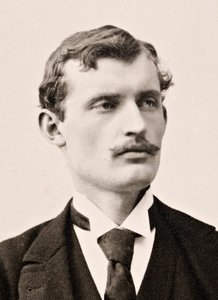
1863 - 1944 , İsveç


En son sanat haberlerinden, özel tekliflerden ve dekorasyon fikirlerinden haberdar olun.
Projenizden bize bahsedin; sanat uzmanlarımız size özel 3 sanat eseri önerisi sunsun.
Size Özel 3 Seçeneği Ücretsiz Olarak Hazırlayalım!


 Önizleme yap
 Paylaş
 Paylaş
 Detayları Gör

 İndir
İndir
 Benzerlerini gör
 X-Işını
 Slayt Gösterisi
 Tümünü Gör


