


x

 Tuval Üzerine Yağlı BoyaDuvar SanatıExpressionism
 1902Modern
 128.0 x 152.0 cm
Hızlı üretim ve esnek bitiş seçenekleriyle müze kalitesinde giclée veya kanvas baskı. ( El yapımı tablo satın al Görsel satın al)





























Eserin orijinal oranlarıyla uyumlu, önceden belirlenmiş boyutlarımız arasından seçim yapın.

Belirli bir çerçeveye veya alana uyması için kendi ölçülerinizi girebilirsiniz. Seçtiğiniz boyut orijinal görüntünün oranlarıyla eşleşmiyorsa, sanat eserini kırpacağız veya görüntüyü aynalanmış ya da düz dolgulu bir kenarlıkla genişleteceğiz. Üretim başlamadan önce onayınız için bir dijital taslak gönderilecektir.
Lütfen ekrandaki önizlemenin gerçek kırpma veya genişletmeyi yansıtmadığını unutmayın. Nihai kompozisyonu yalnızca taslak doğru bir şekilde gösterecektir.
Özel boyutlar mevcut olsa da, orijinal oranları korumak için önceden tanımlanmış listeden bir boyut seçmenizi öneririz.
Dünya Çapında Teslimat (); standart 4/5 hafta yerine 2 haftada. (20 Ağustos)


Fertility II
Reproduksiyon Boyutu
Edvard Munch’s “Fertility II,” completed in 1902, stands as a cornerstone of Norwegian Expressionism—a movement that sought to convey raw emotion rather than objective representation. Housed at the Von Der Heydt Museum in Wuppertal, Germany, this oil on canvas painting transcends mere visual beauty; it delves into profound psychological themes and invites contemplation about the human condition.
The painting depicts a simple yet arresting scene: two figures—presumably male and female—seated beneath the dappled shade of a tree. Munch’s masterful use of perspective draws the viewer into this intimate tableau, fostering a sense of immediacy and vulnerability. The woman holds a basket in her left hand – a potent symbol of nourishment and potential abundance – while the man stands beside her, engaged in conversation. However, lurking beneath the surface serenity is an unsettling presence.
Several elements contribute to the painting’s complex symbolism. Notably, a knife lies prominently on the ground near the center, juxtaposed with another positioned closer to the man's side. These instruments of harvesting – or perhaps even violence – subtly disrupt the idyllic setting, hinting at anxieties surrounding life and death. Alongside the knives are a bowl and basket placed on the ground, reinforcing the idea of fertility and sustenance but simultaneously underscoring the fragility of existence.
Munch’s distinctive Expressionist style is immediately recognizable through his bold color palette—primarily muted yellows and greens—and energetic brushstrokes. These techniques aren't merely decorative; they serve to convey emotion directly, mirroring the artist’s inner turmoil and capturing the essence of psychological experience. Influenced by movements like Fauvism and Cubism, Munch pushed boundaries in artistic representation, prioritizing feeling over factual accuracy.
Munch's artistic vision found inspiration in other artists’ works. Specifically, “Fertility II” echoes the spirit of Annibale Carracci’s painting on a similar theme—a testament to Munch’s ability to synthesize diverse influences and forge his own unique aesthetic voice. This artwork continues to resonate with audiences today, prompting reflection on themes of human connection, mortality, and the enduring power of artistic expression.
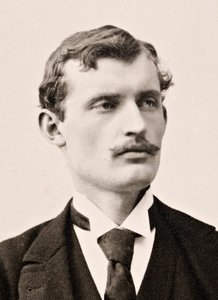
1863 - 1944 , İsveç

Edvard Munch'ın en ikonik 25 eserini keşfedin! Çığlık, Melankoli ve daha fazlası... Ekspresyonizm sanatının duygusal derinliğini Most-Famous-Paintings ile evinize taşıyın. Yüksek kaliteli sanat baskıları ve dekorasyon fikirleri için tıklayın.

Explore the profound world of Edvard Munch, pioneer of Expressionism. Discover the origins of 'The Scream' & his haunting depictions of anxiety, mortality, and love. Expert analysis & high-quality reproductions at Most-Famous-Paintings.
İfadeciliğin zirvesi! Van Gogh, Munch ve daha fazlasıyla 10 başyapıtı keşfedin. Sanatın duygusal gücünü deneyimleyin ve evinizi Most-Famous-Paintings'tan kaliteli sanat baskılarıyla dönüştürün. Keşfetmek için tıklayın!

Explore the raw emotion of Expressionism with Most-Famous-Paintings. Discover its history, key artists like Kirchner & Munch, and lasting influence on modern art. Expert insights for collectors & enthusiasts.
Explore 10 defining German Expressionism masterpieces – from Munch's 'The Scream' to Kandinsky’s abstracts. Discover the artists, stories & bold colors behind this powerful art movement. Find museum-quality reproductions at Most-Famous-Paintings.com.


En son sanat haberlerinden, özel tekliflerden ve dekorasyon fikirlerinden haberdar olun.
Projenizden bize bahsedin; sanat uzmanlarımız size özel 3 sanat eseri önerisi sunsun.
Size Özel 3 Seçeneği Ücretsiz Olarak Hazırlayalım!


 Önizleme yap
 Paylaş
 Paylaş
 Detayları Gör

 İndir
İndir
 Benzerlerini gör
 X-Işını
 Slayt Gösterisi
 Tümünü Gör







 Cam seçeneği yalnızca 110 cm altındaki boyutlar için mevcuttur.


