


x


 Preview
 Baskıyı satın al Görseli Satın Al
 Paylaş
 Detayları Gör
 Favorilere ekle
 İndir
İndir
 Benzerlerini gör
 X-Işını
 Slayt Gösterisi
 Acrylic On CanvasWallArtExpressionism
 1916
1916 130.0 x 150.0 cm
Sanatçılarımız tarafından sipariş üzerine hazırlanan; istediğiniz boyut ve çerçevede, tuval üzerine el boyaması yağlı boya.





























Eserin orijinal oranlarıyla uyumlu, önceden belirlenmiş boyutlarımız arasından seçim yapın.

Belirli bir çerçeveye veya alana uyması için kendi boyutlarınızı girebilirsiniz. Seçtiğiniz boyut orijinal görüntünün oranlarıyla eşleşmiyorsa, sanat eserini kırparak veya ek el boyaması öğelerle resmi uzatarak ayarlayacağız. Üretim başlamadan önce onayınız için dijital bir taslak gönderilecektir.
Lütfen ekrandaki önizlemenin gerçek kırpmayı veya uzatmayı yansıtmadığını unutmayın. Nihai kompozisyonu yalnızca hazırlanan taslak doğru şekilde gösterecektir.
Özel boyutlar mevcut olsa da, orijinal oranları korumak adına önceden tanımlanmış listeden bir boyut seçmenizi öneririz.
Dünya Çapında Teslimat (); standart 5 hafta yerine 3/4 haftada. (27 Temmuz). Kaliteden ödün verilmez.


The Haymaker
Reproduksiyon Boyutu
Edvard Munch’s “The Haymaker,” completed in 1916, stands as a cornerstone of Expressionist art—a movement born from the turbulent anxieties of early 20th-century Europe. More than just a depiction of agricultural labor, this painting delves into profound psychological depths, capturing not merely what is seen but what is felt. Munch’s masterful use of color and brushstroke embodies the core tenets of Expressionism: prioritizing subjective experience over objective representation.
Expressionist artists rejected the conventions of Impressionism and Naturalism, rejecting a faithful rendering of the external world. Instead, they sought to convey inner emotions—fear, despair, joy—directly onto the canvas. Munch’s artistic lineage extends back to Symbolists like Gustave Moreau and Vincent van Gogh, who similarly prioritized emotional resonance over literal accuracy. This stylistic choice wasn't merely aesthetic; it reflected a broader cultural preoccupation with psychological states during a period marked by societal upheaval.
"The Haymaker" portrays a solitary farmer diligently plowing his field under a hazy sky, surrounded by lush greenery and ripening haystacks. The composition is deliberately unsettling; Munch employs a flattened perspective that diminishes depth, intensifying the sense of isolation and vulnerability. Notice the muted palette—dominated by earthy browns and greens—which contributes to the painting’s melancholic atmosphere. However, it's not merely color that communicates emotion; Munch’s bold, agitated brushstrokes convey a palpable tension.
The figure of the haymaker himself is rendered with understated dignity but also with an air of quiet desperation. His posture exudes weariness, hinting at the burdens of labor and perhaps reflecting Munch’s own anxieties about mortality. The horse-drawn plow symbolizes tradition and toil—elements that Munch juxtaposes against the vastness of the landscape to underscore the insignificance of human endeavor in the face of existential concerns. Recurring motifs like the hazy sky – a symbol of uncertainty and impending doom – reinforce this overarching theme.
"The Haymaker" resonates powerfully with other Expressionist masterpieces, notably Vincent van Gogh’s “Field with Ploughman” and George Heidrik Breitner's "An Elegant Lady Strolling along a Canal in Amsterdam." These artists shared Munch’s commitment to capturing the emotional core of their subjects—a legacy that continues to inspire contemporary artists. Reproductions of “The Haymaker,” available at Most-Famous-Paintings.com, offer an opportunity to experience this iconic artwork firsthand and appreciate its enduring power to evoke contemplation and emotion.

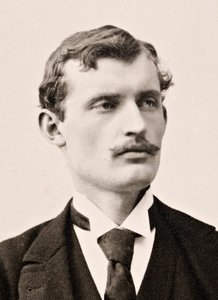
1863 - 1944 , İsveç

Edvard Munch'ın en ikonik 25 eserini keşfedin! Çığlık, Melankoli ve daha fazlası... Ekspresyonizm sanatının duygusal derinliğini Most-Famous-Paintings ile evinize taşıyın. Yüksek kaliteli sanat baskıları ve dekorasyon fikirleri için tıklayın.
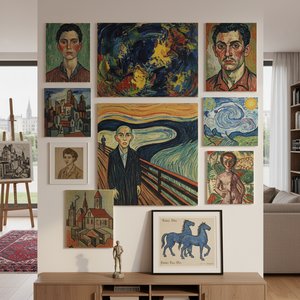
İfadeciliğin zirvesi! Van Gogh, Munch ve daha fazlasıyla 10 başyapıtı keşfedin. Sanatın duygusal gücünü deneyimleyin ve evinizi Most-Famous-Paintings'tan kaliteli sanat baskılarıyla dönüştürün. Keşfetmek için tıklayın!

Claude Monet'nin en iyi 25 eserini keşfedin! İzlenimci sanatın büyülü dünyasına dalın, her tablonun hikayesini öğrenin. Ev dekorasyonunuz için yüksek kaliteli sanat reproduksiyonları Most-Famous-Paintings'ta. Koleksiyonu şimdi keşfedin!
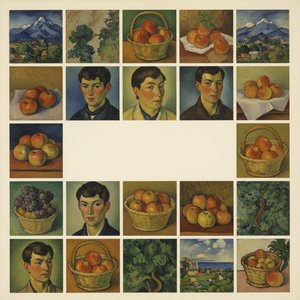
Paul Cézanne'ın en iyi 25 eserini keşfedin! Modern sanatın öncüsü Cézanne'ın post empresyonist tabloları, natürmortları ve renkli manzaralarıyla evinizi sanatsal bir atmosfere taşıyın. Most-Famous-Paintings.com'da yüksek kaliteli sanat baskıları ve dekor fikirleri sizi bekliyor.
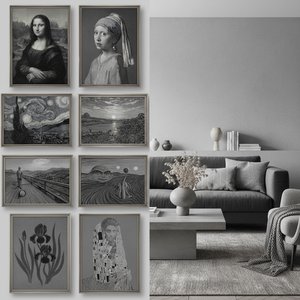
Explore 10 iconic gray paintings by masters like Rembrandt, Hopper & Whistler. Discover the stories behind these atmospheric artworks and find museum-quality art reproductions for your home decor at . Explore the full collection online.


En son sanat haberlerinden, özel tekliflerden ve dekorasyon fikirlerinden haberdar olun.
Projenizden bize bahsedin; sanat uzmanlarımız size özel 3 sanat eseri önerisi sunsun.
Size Özel 3 Seçeneği Ücretsiz Olarak Hazırlayalım!


 Paylaş

 Tümünü Gör







 Cam seçeneği yalnızca 110 cm altındaki boyutlar için mevcuttur.


