x


Çevrimiçi önizlemeden çok daha üstün, yüksek çözünürlüklü ve iyileştirilmiş bir dijital görüntü satın alın.
Her dosya, uzman ekibimiz tarafından gelişmiş araçlar ve titiz manuel rötuş teknikleri kullanılarak özenle hazırlanır. Her görüntünün olağanüstü netliğe, kusursuz renk doğruluğuna ve ince ayrıntılara sahip olduğundan emin oluruz.
Son dosya; profesyonel, editoryal ve baskı süreçlerinde anında kullanıma uygun şekilde optimize edilerek 72 saat içinde e-posta yoluyla teslim edilir. Bu, seçkin tasarım stüdyoları, yayıncılar ve galerilerin güvendiği aynı kalite standartlarındadır.
Kişisel sergileme, baskı ve yaratıcı projeleriniz için yüksek çözünürlüklü bir dosya indirin. ( Switch to Print Switch to hand made Painting)
Most-Famous-Paintings.com seçtiğinizde, sadece bir görsel edinmekle kalmaz; titizlikle hazırlanmış, profesyonelce iyileştirilmiş dijital bir sanat eserine sahip olur ve memnuniyet garantisiyle güvence altına alınırsınız. Siparişinizle birlikte otomatik olarak sunulan her şey şunlardır:

Yüksek çözünürlüklü dijital görüntü dosyanız, siparişinizin üzerinden en geç 72 saat geçmeden e-posta ile size gönderilecektir; hemen kullanıma hazırdır.

Sanat eseriniz; maksimum detay, netlik ve renk doğruluğu sağlamak amacıyla gelişmiş yapay zeka araçları ve manuel düzenleme kullanılarak profesyonelce optimize edilmektedir.

Dosyanızı yanlışlıkla mı sildiniz yoksa kayıp mı oldu? Endişelenmeyin; dosyanızı dilediğiniz zaman size ücretsiz olarak tekrar göndereceğiz.

Sanat eserinizin tadını gümrük vergisi, harç veya teslimat ücreti ödemeden anında çıkarın; dijital indirmeler her zaman vergiden muaftır.

Profesyonel araçlar ve renk yönetimi kullanarak dijital görselinizin orijinal renklere mümkün olduğunca yakın yansıtılmasını sağlıyoruz.

If you're not satisfied with your digital image, we'll revise it or refund 100% within 60 days - no questions asked.

Memnun kalmadınız mı? Dijital dosyanızı aldıktan sonraki 60 gün içinde, hiçbir soru sorulmaksızın tam iade alın.

Buy 3 images, save 10% - Buy 5, save 15% - Buy 10+, save 20%. Great for creative projects, galleries, and agencies.
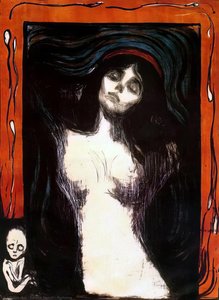
Edvard Munch's "Madonna," painted between 1892 and 1895, isn’t merely a depiction of the Virgin Mary; it’s a profoundly unsettling exploration of love, desire, and the encroaching darkness within the human psyche. This iconic image, now housed in the Munch Museum in Oslo, transcends traditional religious iconography to become a searing portrait of vulnerability and a haunting meditation on the complexities of female power. Munch, grappling with personal demons and a deep-seated anxiety about mortality – themes that would dominate much of his oeuvre – created an artwork that simultaneously celebrates and interrogates the very essence of womanhood.
The painting’s genesis lies in Munch's intense relationship with Dagny Juel-Przybyszewska, a captivating muse who embodied for him ideals of beauty and grace. However, this idealized vision quickly fractured under the weight of their tumultuous affair, revealing a darker side – one characterized by jealousy, obsession, and ultimately, a sense of impending doom. The figure in "Madonna" isn’t presented as a serene, otherworldly being; instead, she is rendered with a palpable tension, her pose suggesting both surrender and defiance. The subtle curve of her spine, the downward gaze, and the slight tilt of her head all contribute to an atmosphere of quiet intensity.
Technically, "Madonna" showcases Munch’s signature expressive style – a deliberate rejection of academic realism in favor of conveying raw emotion. The painting is executed primarily in oil on canvas, utilizing a restricted palette dominated by earthy tones: ochres, browns, and muted yellows. These colors aren't applied with smooth brushstrokes; rather, they are layered and scraped back, creating a textured surface that mirrors the turbulent emotions at play. Notably, Munch employs a vibrant crimson hue to highlight the figure’s body, drawing attention to her vulnerability while simultaneously injecting an element of danger and transgression. The deliberate use of these colors speaks volumes about the painting's underlying themes – passion intertwined with decay, beauty shadowed by darkness.
Adding another layer of complexity is the prominent decorative border surrounding the central figure. This isn’t a conventional halo; instead, it consists of wriggling sperm and a fetal form, a jarring juxtaposition that immediately destabilizes any notion of traditional religious reverence. This imagery – often interpreted as representing the act of creation and destruction simultaneously – underscores Munch's preoccupation with life, death, and the cyclical nature of existence. The inclusion of this unsettling detail transforms "Madonna" from a simple portrait into a potent symbol of both fertility and corruption.
The symbolism within “Madonna” is layered and deliberately ambiguous. While often interpreted as a representation of Mary, Munch himself resisted such a straightforward reading. He described the painting as an exploration of "love and pain," suggesting that it’s less about depicting a specific religious figure and more about capturing a universal human experience – the bittersweet agony of desire and the acceptance of mortality. The closed eyes of the central figure are particularly significant, conveying both modesty and a sense of detachment from the viewer. They suggest a retreat into oneself, a deliberate attempt to shield the soul from the overwhelming intensity of the world.
Furthermore, the painting’s composition – with its emphasis on the female form and its unsettling imagery – reflects Munch's broader exploration of psychological themes. He was deeply interested in the workings of the human mind, particularly the darker aspects of consciousness. "Madonna" can be seen as a visual manifestation of his own anxieties and obsessions, offering a glimpse into the tormented inner world of one of art’s most influential figures. The painting's enduring power lies not just in its aesthetic beauty but also in its unflinching honesty – a willingness to confront the uncomfortable truths about human nature.
“Madonna” remains a profoundly affecting work, continuing to resonate with viewers over a century after its creation. Its unsettling imagery and psychological depth have cemented its place as one of Munch’s most iconic paintings, alongside “The Scream.” Reproductions of this artwork offer an opportunity to experience the raw emotion and intellectual complexity that define Munch's genius. Whether displayed in a private collection or adorning a contemporary space, "Madonna" serves as a potent reminder of the enduring power of art to explore the darkest corners of the human heart.

1863 - 1944 , İsveç


En son sanat haberlerinden, özel tekliflerden ve dekorasyon fikirlerinden haberdar olun.
Projenizden bize bahsedin; sanat uzmanlarımız size özel 3 sanat eseri önerisi sunsun.
Size Özel 3 Seçeneği Ücretsiz Olarak Hazırlayalım!


 Preview
 Paylaş
 Paylaş
 Detayları Gör

 İndir
İndir
 Benzerlerini gör
 X-Işını
 Slayt Gösterisi

 Tümünü Gör